
 EN
EN
 English
 Español
 عربى
عربى 中文简体
中文简体

-
+86-13616168066

TEL:
-
+86-510-86525168

Fax:
-
No.8 North Huanzhen Road, Mazhen,Xuxiake Town,Jiangyin City,Jiangsu Province,China

Address:
Feel Free To Contact Us :
-
+86-13616168066
-
-

Apr. 17, 2026
Industry News
SPC Flooring Explained: Why Stone Plastic Composite Redefines Interior Design
Content
Walk into any modern showroom, renovation project, or newly built home today, and there is a very good chance the floor beneath your feet is SPC. Stone Plastic Composite flooring has moved from a niche product to one of the fastest-growing categories in the global flooring market — and for good reason. It combines the visual warmth of hardwood or stone with a level of performance that traditional flooring simply cannot match. But what exactly is SPC flooring, how does it work, and why are architects, interior designers, and homeowners choosing it over everything else? This guide covers it all.
What Is SPC Flooring?
SPC stands for Stone Plastic Composite — sometimes also called Stone Polymer Composite. The name points directly to the secret of its performance: a core layer made from a high-density blend of natural limestone powder (calcium carbonate), polyvinyl chloride (PVC) resin, and chemical stabilizers.
The result is a rigid, dense plank that belongs to the luxury vinyl flooring family but outperforms standard vinyl in virtually every measurable way. SPC is not wood. It is not ceramic tile. It is an engineered product that replicates the look of both with remarkable accuracy, while delivering durability, waterproofing, and dimensional stability that natural materials struggle to achieve.
Since manufacturers began reinforcing vinyl cores with rigid composite materials around 2010, SPC has rapidly become a preferred choice for both residential and commercial interiors worldwide. If you are ready to explore collections for your next project, browse our SPC flooring collections to see the full range of available styles and finishes.
The Science Behind the Core: Layer by Layer
Understanding why SPC performs so well starts with its construction. A standard SPC plank is built from four to five distinct layers, each engineered to serve a specific function.
- UV Coating: The very top surface. This clear finish resists fading caused by sunlight exposure and keeps the floor looking fresh over years of use.
- Wear Layer: A transparent, high-strength film — typically made with aluminum oxide — that protects the printed design against scratches, scuffs, and everyday foot traffic. Commercial-grade SPC typically features a wear layer of 0.5 mm or thicker, while residential options commonly range from 0.3 mm to 0.7 mm. For a full breakdown of how wear layer thickness affects performance, see our wear layer thickness guide.
- Decorative / Print Layer: A high-definition printed film that replicates the appearance of natural wood grain, stone, marble, or geometric patterns. Advanced printing technology produces realistic 3D texture effects that are increasingly difficult to distinguish from the real thing.
- SPC Rigid Core: The heart of the plank. This dense stone-composite core provides dimensional stability and impact resistance. It will not expand, contract, or warp when exposed to temperature changes or moisture — the defining characteristic that sets SPC apart.
- Attached Underlayment: Most quality SPC planks include a pre-attached backing layer, often made of IXPE or EVA foam. This layer adds underfoot comfort, absorbs sound, and provides a thermal barrier against cold subfloors.
This layered construction is what gives SPC its signature combination of realism, durability, and practicality — attributes that standard vinyl or laminate flooring cannot fully replicate.
SPC vs. WPC vs. Traditional Vinyl: A Clear Comparison
SPC is often discussed alongside WPC (Wood Plastic Composite) and traditional PVC vinyl. All three fall under the luxury vinyl umbrella, but their core construction — and therefore their performance — differs significantly.
| Feature | SPC | WPC | Traditional Vinyl |
|---|---|---|---|
| Core Material | Limestone + PVC | Wood pulp + PVC foam | Pure PVC |
| Rigidity | Very high | Moderate | Low (flexible) |
| Waterproof | 100% | 100% | Water-resistant |
| Dent Resistance | Excellent | Good | Poor |
| Temperature Stability | Excellent | Good | Poor |
| Underfoot Comfort | Moderate (firm) | Soft and warm | Soft |
| Typical Cost | $3–$7 / sq ft | $4–$9 / sq ft | $1–$4 / sq ft |
The key trade-off between SPC and WPC comes down to hardness versus comfort. SPC's stone-based core provides superior impact resistance and temperature stability, making it the better performer in high-traffic areas, kitchens, basements, and commercial spaces. WPC feels softer and warmer underfoot, which makes it appealing for bedrooms where comfort is the priority. Traditional vinyl remains the most affordable option but lacks the rigidity and long-term durability of either composite.
Why Interior Designers Are Choosing SPC
The design revolution that SPC has triggered is not just about performance — it is about creative freedom. For decades, specifying a floor that looked like natural hardwood or stone meant accepting the maintenance demands, moisture sensitivity, and high cost that came with authentic materials. SPC breaks that compromise entirely.
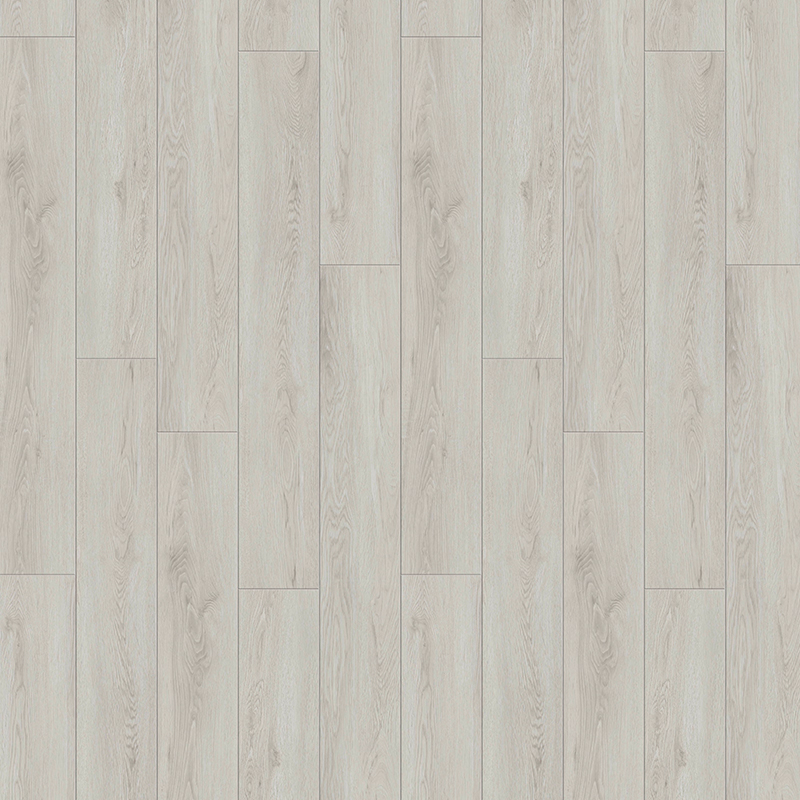
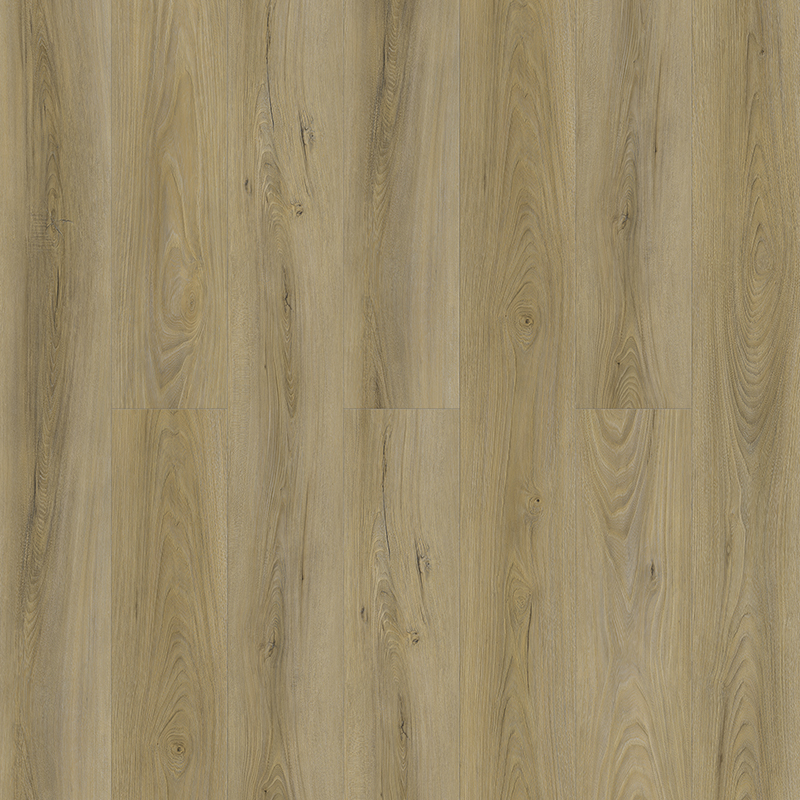
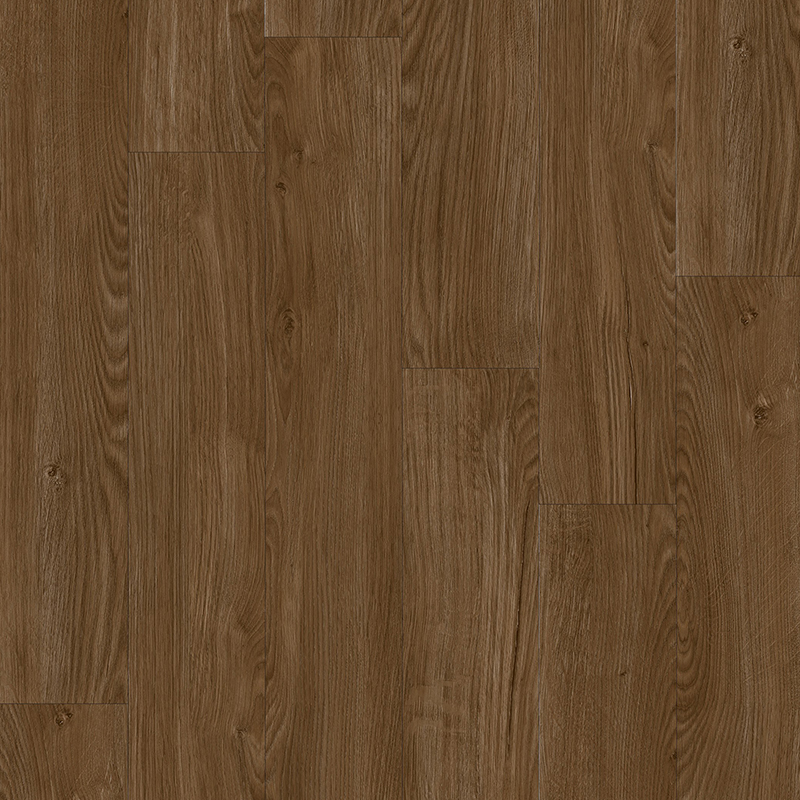
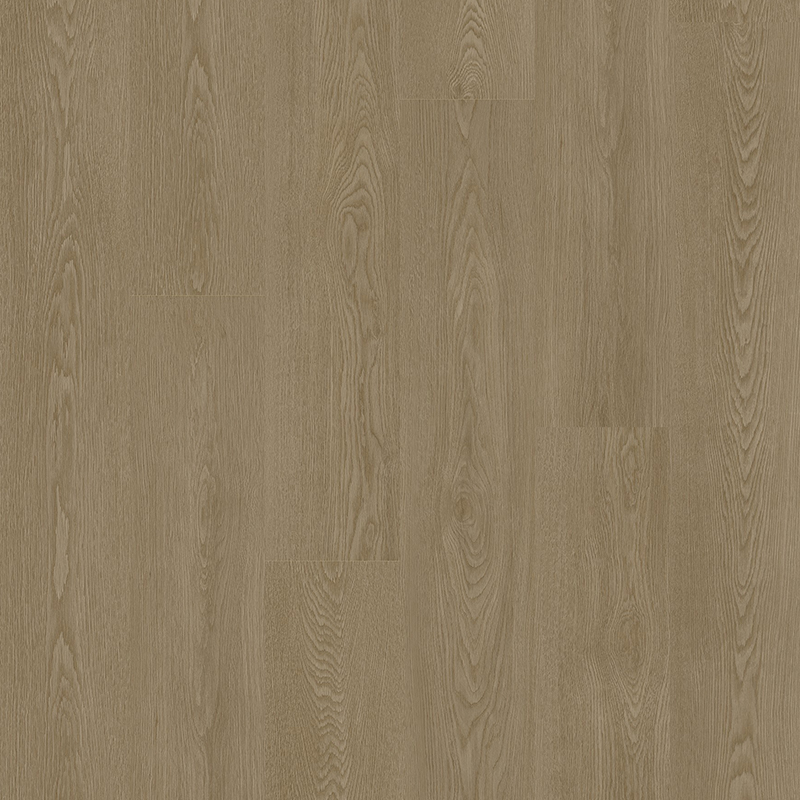
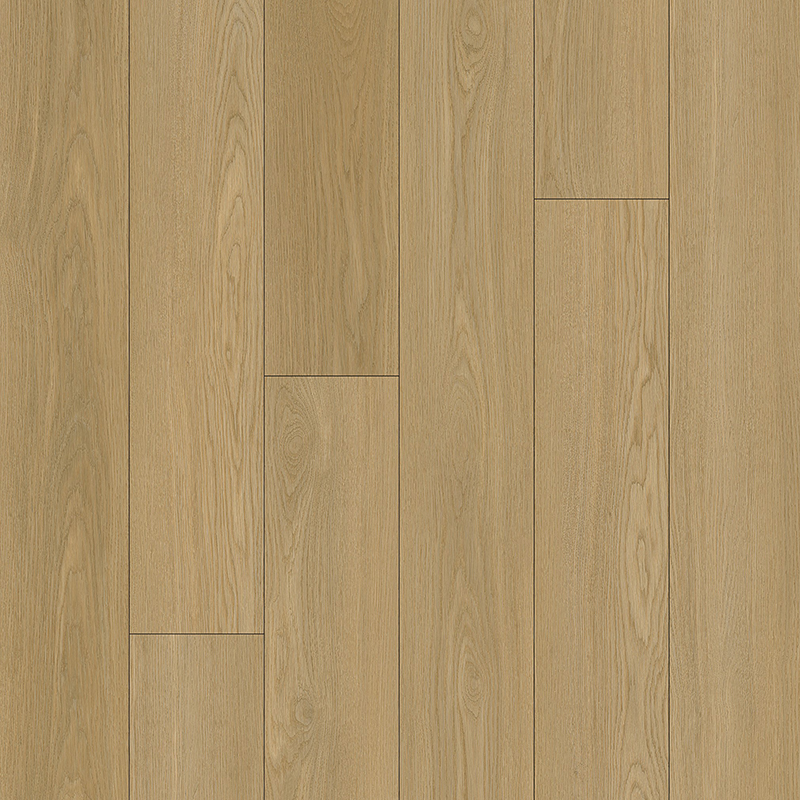
Advanced high-definition printing and embossing technology now allows SPC to accurately replicate the grain patterns, knot details, and surface texture of oak, walnut, concrete, marble, and slate — among dozens of other options. Styles are available in plank, tile, and herringbone formats, meaning SPC can integrate seamlessly into virtually any interior design language, from Scandinavian minimalism to industrial loft aesthetics to classic farmhouse warmth.
Designers working on open-plan spaces particularly appreciate SPC's dimensional stability. Because the rigid core does not expand or contract with humidity and temperature shifts, the same flooring can run continuously through a kitchen, dining room, and living area without the expansion gaps or transition strips that natural wood requires. The result is a cleaner, more cohesive visual flow throughout the space.
For commercial projects — restaurants, retail environments, offices, and hospitality spaces — SPC delivers on both the aesthetic brief and the durability requirements that high-traffic environments demand.
Performance Benefits That Redefine Modern Living
Beyond design versatility, SPC earns its place in modern interiors through a set of performance characteristics that genuinely change day-to-day living.
100% Waterproof: Unlike hardwood flooring, which expands and warps when exposed to moisture, SPC's non-porous core does not absorb water. Mold and mildew have no pathway to grow. This is not just water-resistant flooring — it is fully waterproof from core to surface.
Exceptional Durability: The stone-composite core gives SPC superior resistance to denting and impact. Dropped dishes, heavy furniture, and the daily activity of children and pets have minimal effect on a properly specified SPC floor. With routine care, quality SPC flooring can last 20 to 25 years in a residential setting.
Temperature and Climate Stability: Traditional flooring materials expand in summer heat and contract in winter cold. SPC's rigid core largely eliminates this movement, making it an ideal choice for spaces with radiant underfloor heating, rooms with large south-facing windows, and climates with extreme seasonal variation.
Low Maintenance: SPC never needs sanding, sealing, or refinishing. Regular sweeping and occasional damp mopping are all that is required to keep the surface looking pristine year after year.
Healthy Indoor Air Quality: Quality SPC products are formaldehyde-free and certified for low VOC emissions. Many carry FloorScore or CE certification, ensuring they meet rigorous standards for indoor air quality — an increasingly important consideration in residential and commercial projects alike.
Where to Use SPC Flooring: Room-by-Room Guide
One of SPC's most practical advantages is its versatility across different rooms and environments. Its 100% waterproof core and rigid stability make it suitable for nearly every area of a home or commercial building.
- Kitchens: High moisture, spills, and heavy foot traffic are all handled comfortably. SPC withstands the demands of a busy kitchen without swelling or staining.
- Bathrooms: The fully waterproof core makes SPC one of the best flooring choices for bathrooms, where traditional wood and laminate would fail over time. Wood-effect or stone-effect SPC creates a spa-like aesthetic without the fragility.
- Basements: Below-grade spaces are prone to moisture and temperature fluctuation — exactly the conditions SPC is engineered to resist. It is one of the few flooring options genuinely well-suited to basement installation.
- Living Rooms and Bedrooms: With its realistic wood looks and comfortable feel underfoot (especially with an attached IXPE underlayment), SPC brings warmth and style to main living areas at a fraction of the cost of real hardwood.
- Commercial Spaces: Offices, retail stores, restaurants, and hospitality environments all benefit from SPC's combination of commercial-grade durability, acoustic performance, and design flexibility.
Installation is equally straightforward across all these applications. SPC's click-lock edge profiles allow planks to float over most existing hard subfloors — tile, concrete, or even old vinyl — without adhesive or nails, reducing both installation time and cost. For detailed guidance, see our SPC flooring installation tips.
Is SPC Flooring Right for You?
SPC flooring is the right choice for anyone who wants the authentic look of wood or stone without the maintenance burden, moisture sensitivity, or high cost that comes with natural materials. It is particularly well-suited to households with children, pets, or high foot traffic; to any room where moisture is a concern; and to commercial environments where durability and design need to coexist.
The only scenarios where SPC may not be the top choice are spaces where maximum underfoot softness is the priority (where WPC or carpet might be preferred) or outdoor applications, where prolonged direct sunlight exposure is a concern.
For the vast majority of modern interiors — residential or commercial — SPC flooring represents the most complete balance of performance, aesthetics, and value currently available on the market. It is not a trend. It is a genuine advancement in flooring technology that is reshaping how spaces are designed and built.



LET'S WORK TOGETHER
WELCOME TO JOIN!
-
+86-13616168066
-
[email protected]

-
+86-510-86525168
-
No.8 North Huanzhen Road, Mazhen,Xuxiake Town,Jiangyin City,Jiangsu Province,China
JOIN OUR MAILING LIST
Copyright © 2025 Jiangsu Herewin Environmental Technology Co., Ltd. All Rights Reserved. Vinyl Plank Flooring Manufacturers SPC Rigid Core Flooring Factory
