
 EN
EN
 English
 Español
 عربى
عربى 中文简体
中文简体

-
+86-13616168066

TEL:
-
+86-510-86525168

Fax:
-
No.8 North Huanzhen Road, Mazhen,Xuxiake Town,Jiangyin City,Jiangsu Province,China

Address:
Feel Free To Contact Us :
-
+86-13616168066
-
-

Mar. 25, 2026
Industry News
SPC Vinyl Plank Flooring: What It Is, How It Works, and Why It Lasts
Content
- 1 What Is SPC Vinyl Plank Flooring?
- 2 SPC vs. WPC vs. LVP: Understanding the Differences
- 3 Key Performance Advantages of SPC Flooring
- 4 Wear Layer Thickness: What the Numbers Actually Mean
- 5 Where SPC Vinyl Plank Flooring Works Best
- 6 How to Evaluate SPC Flooring Quality Before You Buy
- 7 Long-Term Maintenance and Lifespan Expectations
What Is SPC Vinyl Plank Flooring?
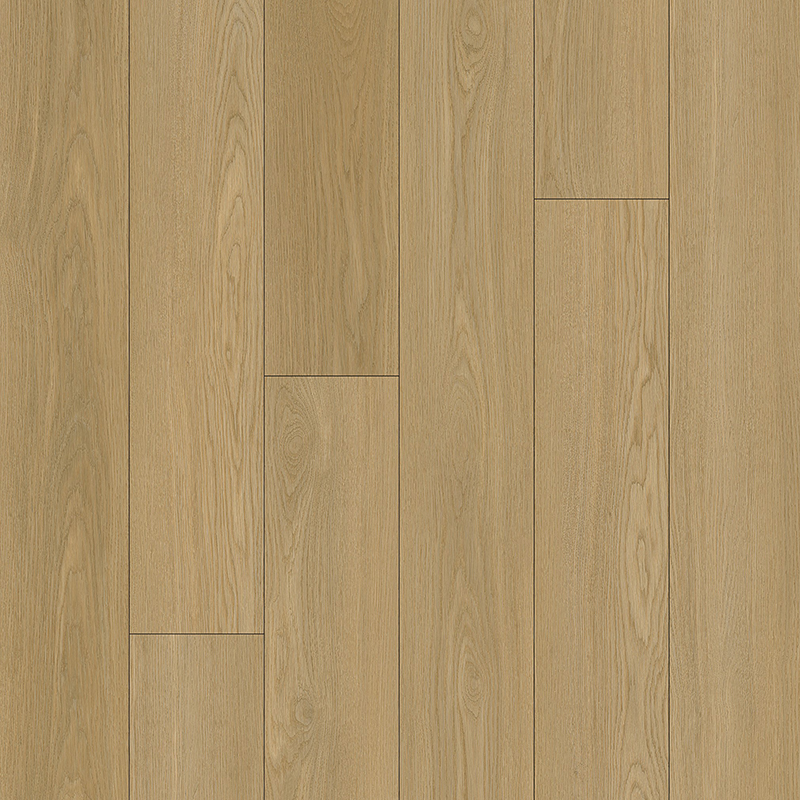
SPC vinyl plank flooring — short for Stone Plastic Composite — is a rigid-core luxury vinyl flooring built with a dense inner layer made from limestone powder, polyvinyl chloride (PVC), and stabilizers. Unlike traditional LVP (Luxury Vinyl Plank), which uses a flexible foam or fiberglass core, SPC uses a compressed stone-based composite that gives it exceptional dimensional stability and resistance to heavy loads.
The typical SPC plank is constructed in four distinct layers:
- UV Coating — protects against surface fading and staining
- Wear Layer — a clear, durable surface (measured in mils) that determines scratch and abrasion resistance
- Decorative Film — a high-resolution printed layer that replicates wood, stone, or tile appearances
- SPC Core — the rigid stone-polymer composite base that delivers structural integrity
Some products include a pre-attached underlayment layer beneath the core for added sound absorption and underfoot comfort. This layered engineering is what sets SPC apart from older resilient flooring categories.
SPC vs. WPC vs. LVP: Understanding the Differences
Buyers frequently encounter three acronyms when shopping for vinyl plank: SPC, WPC, and LVP. While all three fall under the broader luxury vinyl category, their core construction differs significantly — and those differences affect real-world performance.
| Feature | SPC | WPC | Standard LVP |
|---|---|---|---|
| Core Material | Stone + PVC | Wood fiber + PVC foam | Flexible PVC |
| Rigidity | Very High | Medium-High | Low |
| Waterproof | 100% | 100% | Mostly |
| Underfoot Comfort | Moderate | High | Moderate |
| Temperature Stability | Excellent | Good | Poor |
| Typical Thickness | 3.5mm – 8mm | 6mm – 12mm | 2mm – 6mm |
SPC is the preferred choice for high-traffic, moisture-prone, or temperature-variable environments, while WPC offers a warmer feel underfoot and is better suited for comfortable residential spaces with moderate foot traffic.
Key Performance Advantages of SPC Flooring
The stone-composite core gives SPC vinyl plank a set of performance properties that are difficult to match in other flooring categories at a similar price point.
100% Waterproof Construction
SPC planks contain no wood fiber, which means they will not swell, warp, or delaminate when exposed to standing water. This makes them one of the few flooring options genuinely suitable for bathrooms, laundry rooms, kitchens, and basements without special sealing treatments.
Dimensional Stability Across Temperature Extremes
Standard vinyl flooring can expand and contract dramatically with seasonal temperature swings — a common problem in spaces without climate control. SPC's rigid core dramatically reduces this expansion coefficient. Most quality SPC products perform stably across a range of -15°C to 60°C (5°F to 140°F), making them viable for sunrooms, enclosed porches, and garages in many climates.
Dent and Impact Resistance
Because of its compressed stone base, SPC resists indentation from heavy furniture legs and high-heeled shoes far better than foam-core alternatives. This property is particularly important for commercial installations, retail environments, and busy households.
Installation Over Imperfect Subfloors
The rigidity of SPC allows it to bridge minor subfloor irregularities that would telegraph through softer floors. Most manufacturers specify tolerance levels of 3/16 inch per 10 feet (approximately 5mm per 3 meters), and the floating click-lock installation system means no adhesive is required in most residential and light commercial applications.
Wear Layer Thickness: What the Numbers Actually Mean
One of the most misunderstood specifications in SPC flooring is the wear layer thickness, measured in mils (thousandths of an inch). This is the single most important factor in determining how long your floor will look new under foot traffic.
- 6 mil (0.15mm) — Entry-level; suitable for very light residential use in low-traffic areas
- 12 mil (0.3mm) — Standard residential; adequate for most home environments
- 20 mil (0.5mm) — Heavy residential / light commercial; recommended for households with pets or high traffic
- 28–40 mil (0.7–1.0mm) — Commercial grade; used in retail, hospitality, and healthcare settings
A thicker wear layer will resist surface scratches, scuffs, and staining far longer. For homes with dogs or cats, a minimum of 20 mil is strongly advisable. For commercial spaces, nothing below 28 mil should be considered for areas with significant daily foot traffic.
Where SPC Vinyl Plank Flooring Works Best
SPC is one of the most versatile flooring options available today, but it genuinely excels in specific scenarios where other materials struggle:
- Below-grade installations (basements) — Moisture from concrete slabs will not damage the planks, and no vapor barrier is required with most products
- Rental properties — Durability, easy replacement of individual planks, and resistance to tenant-related moisture incidents make it a low-maintenance choice for landlords
- Commercial light retail and offices — The combination of wear resistance and realistic wood or stone visuals suits spaces where aesthetics and durability both matter
- Open-plan homes needing a continuous floor — SPC's click-lock system allows seamless runs across kitchens, dining areas, and living rooms without transitions
- Radiant heated floors — Most SPC products are compatible with underfloor heating systems, provided temperature limits specified by the manufacturer are respected
SPC is less ideal for areas where extreme softness underfoot is a priority (a dedicated nursery or yoga studio, for example), where WPC or cork might deliver a better experience.
How to Evaluate SPC Flooring Quality Before You Buy
The SPC market has grown rapidly, and product quality varies significantly between manufacturers. Use these benchmarks when reviewing specifications:
Check Certifications
Look for FloorScore or GREENGUARD Gold certification, which confirm that VOC (volatile organic compound) emissions from the product meet indoor air quality standards. This matters especially in bedrooms and spaces with limited ventilation. Responsible products should also comply with REACH and RoHS regulations for heavy metal content.
Verify Total Thickness vs. Core Thickness
A plank advertised as "8mm" may include a 1.5mm pre-attached underlayment. The actual SPC core thickness is what determines rigidity and sound transmission. Ask manufacturers to specify core thickness separately from total plank thickness.
Assess the Locking System
High-quality SPC uses precision-milled Uniclic or equivalent click-lock joints that resist vertical displacement and gapping over time. Cheap locking systems lose tension after installation, resulting in visible seams and squeaking. Request installation samples before ordering large quantities.
Examine the Visual Register
Premium SPC products feature embossed-in-register (EIR) surface texture, where the embossing pattern is synchronized with the printed grain design. This creates a realistic tactile surface that mirrors how natural wood actually feels. Basic SPC uses generic texture patterns that do not match the print, which becomes visually obvious at close range.
Long-Term Maintenance and Lifespan Expectations
SPC vinyl plank flooring is deliberately low-maintenance compared to hardwood or natural stone. Day-to-day care requires nothing more than regular sweeping and occasional damp mopping with a pH-neutral cleaner. Avoid steam mops, as high heat applied directly to the surface can weaken adhesive layers in pre-attached underlayment and potentially warp thinner planks over time.
A quality SPC floor installed in a residential setting should last 20 to 25 years with normal care. Commercial installations in high-traffic areas can expect 10 to 15 years before the wear layer shows meaningful degradation, depending on the mil thickness specified. Because individual planks float without adhesive, damaged sections can be replaced without disturbing the entire floor — a significant advantage over glued-down or nailed flooring systems.
Use furniture pads under heavy pieces, keep pet nails trimmed, and place walk-off mats at exterior doors to extend wear layer life. Avoid dragging heavy objects directly across the surface, as concentrated abrasion can score even a 20-mil wear layer over time.



LET'S WORK TOGETHER
WELCOME TO JOIN!
-
+86-13616168066
-
[email protected]

-
+86-510-86525168
-
No.8 North Huanzhen Road, Mazhen,Xuxiake Town,Jiangyin City,Jiangsu Province,China
JOIN OUR MAILING LIST
Copyright © 2025 Jiangsu Herewin Environmental Technology Co., Ltd. All Rights Reserved. Vinyl Plank Flooring Manufacturers SPC Rigid Core Flooring Factory
