
 EN
EN
 English
 Español
 عربى
عربى 中文简体
中文简体

-
+86-13616168066

TEL:
-
+86-510-86525168

Fax:
-
No.8 North Huanzhen Road, Mazhen,Xuxiake Town,Jiangyin City,Jiangsu Province,China

Address:
Feel Free To Contact Us :
-
+86-13616168066
-
-

Feb. 27, 2026
Industry News
Ultra-Quiet Floor: Best Options for Noise Reduction at Home
Content
- 1 Why Floor Noise Is More Complex Than It Seems
- 2 Best Flooring Materials for an Ultra-Quiet Floor
- 3 Flooring Noise Comparison Table
- 4 The Role of Underlayment in Creating an Ultra-Quiet Floor
- 5 Installation Practices That Maximize Quiet
- 6 Ultra-Quiet Floor Recommendations by Room Type
- 7 Common Mistakes to Avoid
- 8 Final Thoughts
The quietest flooring options available today are cork, carpet, and luxury vinyl plank (LVP) installed over acoustic underlayment. These materials absorb impact noise, muffle footsteps, and reduce sound transmission between floors — making them the top choices for bedrooms, home offices, apartments, and any space where noise control matters.
Noise travels through floors in two primary ways: impact noise (footsteps, dropped objects) and airborne noise (voices, music). The best ultra-quiet floor systems address both. A well-chosen combination of flooring material and underlayment can reduce impact sound by up to 75% (IIC rating improvement of 20–25 points) compared to hard flooring installed directly on a subfloor.
Why Floor Noise Is More Complex Than It Seems
Most people assume a soft floor automatically means a quiet floor, but that's only part of the picture. Sound transmission in floors is measured using two key ratings:
- IIC (Impact Insulation Class): Measures how well a floor assembly resists impact noise. A higher number means less impact sound transmitted. Anything above 50 is considered good; above 60 is excellent.
- STC (Sound Transmission Class): Measures resistance to airborne sound. An STC of 50+ is considered effective for residential use.
Bare hardwood floors, for example, can have an IIC as low as 25–30, meaning nearly all impact noise passes through to the floor below. Adding a quality acoustic underlayment can raise this to 50–60 without changing the surface material.
Best Flooring Materials for an Ultra-Quiet Floor
Cork Flooring
Cork is one of the naturally quietest flooring materials available. Its cellular structure — made up of millions of tiny air-filled pockets — absorbs both impact and airborne sound extremely well. Cork floors typically achieve an IIC of 50–75 depending on thickness, and they require little to no additional underlayment for noise control. Cork is also warm underfoot and resistant to mold, making it excellent for bedrooms and basements.
Carpet with Thick Padding
Carpet remains the gold standard for impact noise reduction. A medium-pile carpet paired with a high-density foam or rubber padding (at least 7/16 inch thick) can reach IIC ratings of 65–70+. Studies show carpet reduces footstep noise by up to 35 decibels compared to bare concrete. Its main drawback is maintenance — carpet traps allergens and requires regular deep cleaning.
Luxury Vinyl Plank (LVP) with Acoustic Underlayment
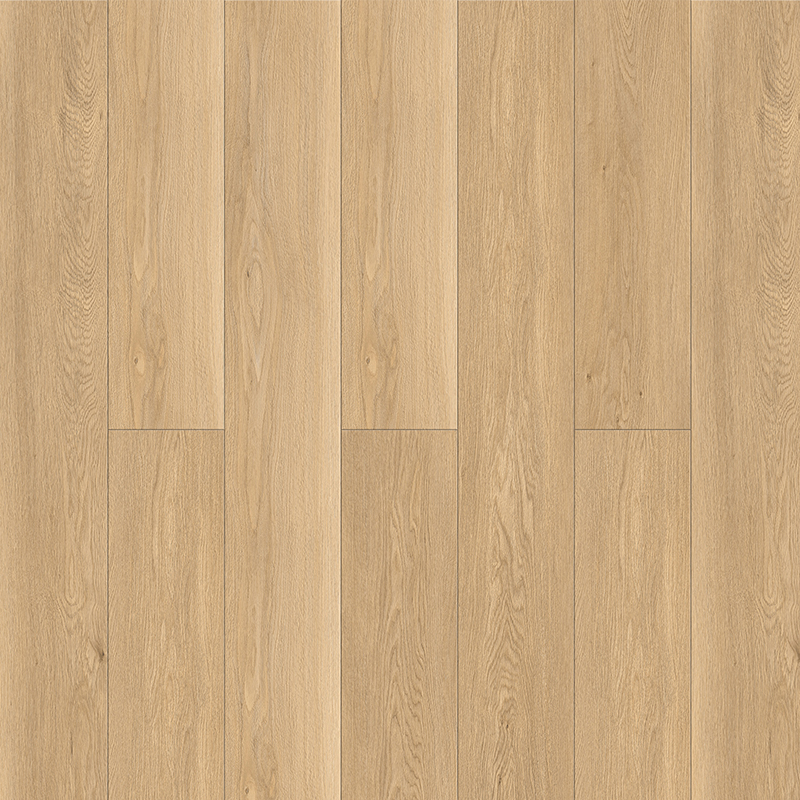
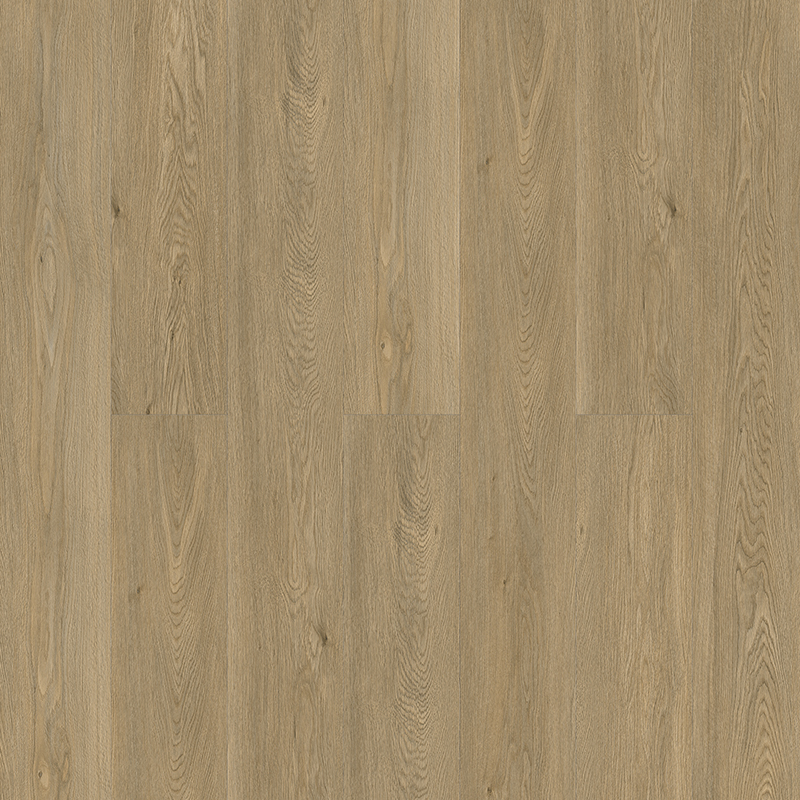
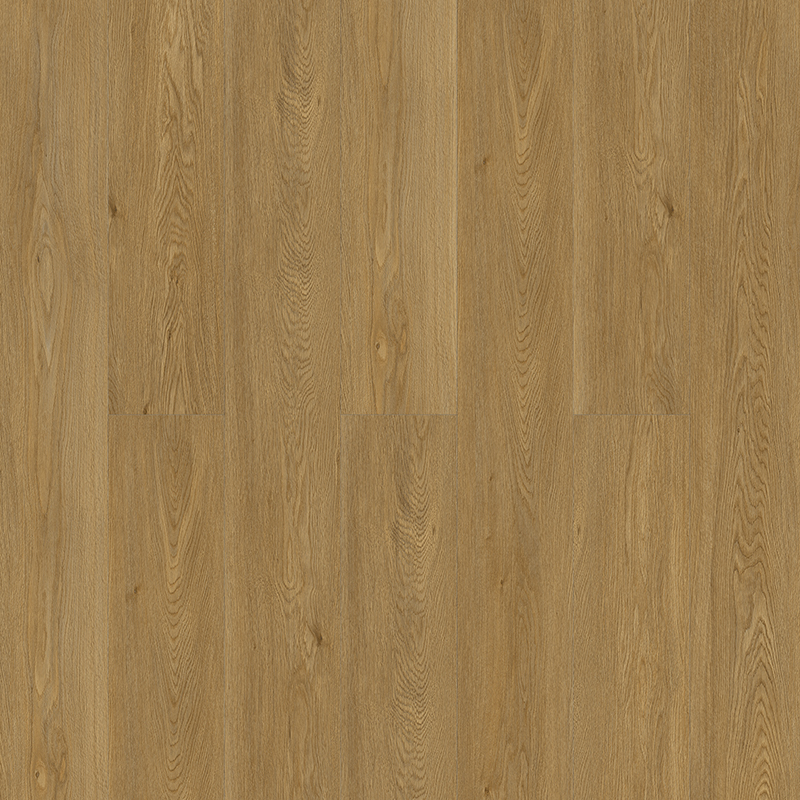
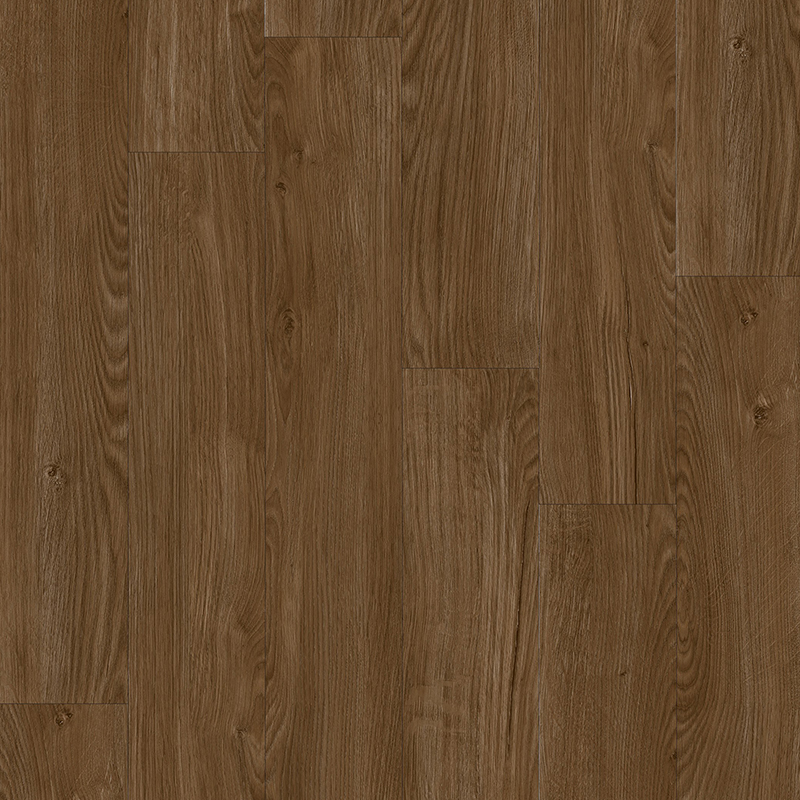
LVP on its own is not particularly quiet — it's a hard, thin product. But paired with a premium acoustic underlayment (e.g., ROBERTS 70-193A or QuietWalk Plus), it becomes an excellent noise-reducing floor. Many LVP products now come with pre-attached underlayment. Look for products with an attached underlayment and an IIC rating of at least 55. LVP is also water-resistant and durable, making it practical for high-traffic areas.
Engineered Hardwood with Underlayment
Engineered hardwood is more dimensionally stable than solid wood and can float over an acoustic underlayment, which greatly improves its noise performance. Without underlayment, engineered hardwood scores around IIC 35–40. With a rubber or foam underlayment, it can reach 50–58. It offers the warmth and look of real wood while being far quieter than solid hardwood nailed to a subfloor.
Flooring Noise Comparison Table
| Flooring Type | IIC Without Underlayment | IIC With Acoustic Underlayment | Best Use Case |
|---|---|---|---|
| Carpet + Pad | 60–70 | 65–75+ | Bedrooms, upper floors |
| Cork | 50–65 | 65–75 | Home offices, basements |
| LVP | 30–42 | 50–62 | Living rooms, kitchens |
| Engineered Hardwood | 35–42 | 50–58 | Living areas, condos |
| Solid Hardwood (nailed) | 25–35 | 40–48 | Not ideal for noise control |
| Ceramic Tile | 25–35 | 40–52 | Bathrooms only |
The Role of Underlayment in Creating an Ultra-Quiet Floor
Underlayment is arguably more important than the flooring material itself when it comes to noise reduction. The right underlayment can add 15–25 IIC points to any hard flooring installation. Here are the main types:
- Rubber underlayment: Best overall for noise control. Products like FloorMuffler or MP Global QuietWalk are industry favorites, rated for IIC improvements of 20+ points. Slightly more expensive but highly durable.
- Foam underlayment: Affordable and widely available. EVA foam underlayments offer moderate noise reduction (IIC improvement of 10–15 points). Good for budget-conscious projects.
- Cork underlayment: A natural option that provides good acoustic and thermal insulation. Typically 6mm thick, it offers an IIC improvement of around 15–20 points and is eco-friendly.
- Combination (foam + film): Pre-attached underlayments on LVP panels are usually this type. Convenient but offer only moderate noise control — fine for ground-floor installations.
For multi-story homes or apartments, always opt for rubber or cork underlayment with an IIC rating of at least 60 for the assembled floor system.
Installation Practices That Maximize Quiet
Even the best materials lose their acoustic effectiveness if installed incorrectly. These practices make a measurable difference:
- Float, don't nail: Floating floor installations (where planks click together and rest on underlayment) are significantly quieter than nailed or glued floors. Nailing bypasses the acoustic underlayment entirely at fastening points.
- Seal gaps and transitions: Sound leaks through gaps at walls, transitions, and edges. Use acoustic sealant or caulk along baseboards. Unsealed gaps can reduce your IIC rating by 5–10 points.
- Address subfloor issues first: A squeaky or uneven subfloor will create noise regardless of the finish floor. Level and secure the subfloor before installation. Gaps between subfloor panels are a major source of creaking.
- Use area rugs strategically: Even after installing an ultra-quiet floor, adding area rugs in high-traffic zones (hallways, living room seating areas) can reduce footstep noise by an additional 5–10 decibels.
- Install resilient channels or sound mats in severe cases: For condos or rentals with very thin floor assemblies, resilient channels installed on the ceiling below can decouple the structure and add significant STC and IIC improvement without touching the floor itself.
Ultra-Quiet Floor Recommendations by Room Type
Bedroom
Prioritize maximum softness and noise absorption. Carpet with 7/16-inch high-density foam padding is the best choice. If you prefer hard flooring, cork is the next best option and requires no additional underlayment for quiet performance.
Home Office
Cork or LVP with rubber underlayment works well here. Cork naturally dampens keyboard typing vibrations that travel through desks to the floor. If you use a standing desk or chair with casters, a floor mat on top of cork or LVP adds further protection.
Living Room and Open-Plan Areas
LVP with QuietWalk or similar rubber underlayment offers the best balance of durability, appearance, and sound control. Supplement with a large area rug (at least 8×10 ft) in seating areas to dramatically reduce echo and footstep noise in open, hard-surface spaces.
Apartment or Condo (Upper Floor)
Building codes in most U.S. cities require a minimum IIC of 50 for multi-family housing. For true quiet, aim for IIC 60+ using cork or rubber-backed LVP. Always check your lease or HOA rules — many require acoustic underlayment or carpet in upper-floor units.
Common Mistakes to Avoid
- Skipping underlayment to save money: The cost difference between no underlayment and a quality rubber underlayment is often less than $1 per square foot — a small price for a significant noise improvement.
- Assuming thick flooring = quiet flooring: A 12mm laminate without underlayment is louder than a 6mm LVP with rubber backing. Thickness alone doesn't determine acoustic performance.
- Doubling up underlayments: More is not always better. Using two underlayments can make the floor feel spongy and can actually damage locking mechanisms on floating floors. Stick to one quality product.
- Ignoring the ceiling below: If you're renovating an upper floor and need serious noise control, upgrading the ceiling of the room below (adding mass-loaded vinyl or resilient channels) is often more effective than floor changes alone.
Final Thoughts
Achieving an ultra-quiet floor is not about spending the most money — it's about choosing the right combination of materials for your specific situation. Cork and carpet are the quietest single-material solutions, while LVP or engineered hardwood over rubber underlayment offers the best balance of aesthetics, durability, and noise control. Always check the assembled IIC rating of your floor system rather than the rating of individual components, and pay as much attention to proper installation as you do to material selection. A perfectly chosen floor installed carelessly will always underperform a modest floor installed with care.


LET'S WORK TOGETHER
WELCOME TO JOIN!
-
+86-13616168066
-
[email protected]

-
+86-510-86525168
-
No.8 North Huanzhen Road, Mazhen,Xuxiake Town,Jiangyin City,Jiangsu Province,China
JOIN OUR MAILING LIST
Copyright © 2025 Jiangsu Herewin Environmental Technology Co., Ltd. All Rights Reserved. Vinyl Plank Flooring Manufacturers SPC Rigid Core Flooring Factory
