
 EN
EN
 English
 Español
 عربى
عربى 中文简体
中文简体
-
SPC Flooring: Eco-friendly and Durable, Leading the New Trend in Home Furnishings?
Jul, 31, 2025
Industry NewsIn the modern home environment that pursues greenness, health, and comfort, SPC flooring (Stone Plastic Composite flooring) stands out with its unique advantage... -
ABA Formaldehyde-free Flooring: An Ideal Choice for Green Homes and Public Spaces?
Jul, 31, 2025
NewsAs an innovative product in the field of environmentally friendly building materials, ABA formaldehyde-free flooring is gradually gaining a foothold in home dec... -
SPC Flooring is Coming for You?
Jul, 31, 2025
Industry NewsSPC stone plastic flooring has been popular in foreign countries such as the United States, Europe, Japan, South Korea, etc. for decades, and has basically repl... -
Tips to Keep SPC Flooring Looking New for Years?
Jul, 31, 2025
Industry NewsAs a popular flooring option on the market today, SPC flooring is widely used in both commercial and residential settings. However, long-term daily use can to w... -
ABA Formaldehyde-free Flooring: A New Choice for Green Homes?
Jul, 31, 2025
Industry NewsAs people’s requirements for a healthy living environment continue to rise, formaldehyde-free flooring, as a representative of green and environmentally friendl...

-
+86-13616168066

TEL:
-
+86-510-86525168

Fax:
-
No.8 North Huanzhen Road, Mazhen,Xuxiake Town,Jiangyin City,Jiangsu Province,China

Address:
Feel Free To Contact Us :
-
+86-13616168066
-
-

Carpet Patterned Flooring Manufacturers
The Carpet Patterned Flooring series is inspired by the texture of carpets, offering a soft and cozy visual effect that enhances the comfort of any space. It combines the aesthetic warmth of carpets with the practicality of easy maintenance, eliminating the hassle of traditional carpet cleaning.
A variety of Carpet Patterned are available, allowing seamless integration into both modern minimalist and classic warm interiors. The delicate surface texture not only elevates the style of the space but also provides a comfortable feel underfoot.
Durable and slip-resistant, this flooring performs exceptionally well in high-traffic offices, commercial spaces, or residential settings. It is easy to install and maintain, offering great convenience for daily use.
-
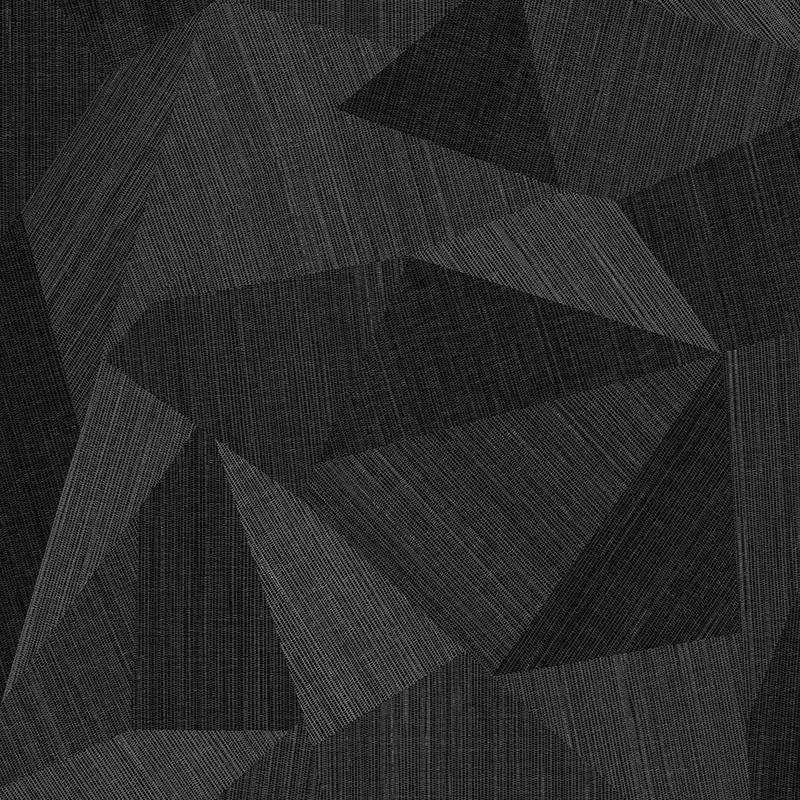 SW25001
Construction: SPC / ABA Floor
Thickness:
Gloss: 5 - 10
L x W: 1220/1520/1800 mm x 125/150/180/228 mm
Edge Treatment: Micro-Bevel / V-Bevel / Painted-Bevel
Finish: UV Coating
Profile: Valinge
Texture: BP embossed/Brush surface/EIR
Feature: 100% Waterproof / Eco-friendly / Anti-Slip / Wear Resistant / Fire Retardant / Sound Barrier -
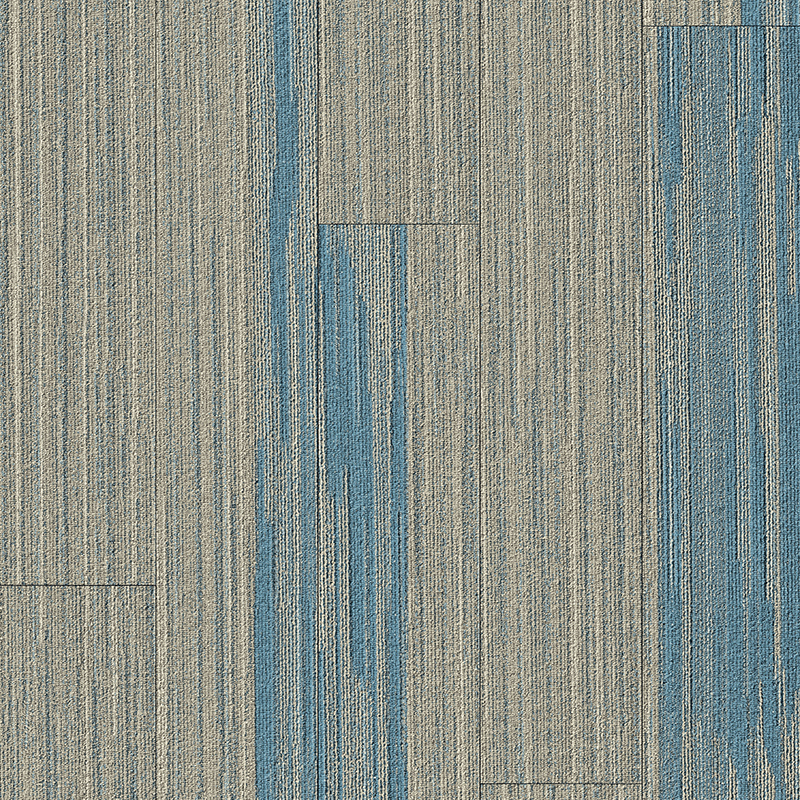 TW25018
Construction: SPC / ABA Floor
Thickness:
Gloss: 5 - 10
L x W: 1220/1520/1800 mm x 125/150/180/228 mm
Edge Treatment: Micro-Bevel / V-Bevel / Painted-Bevel
Finish: UV Coating
Profile: Valinge
Texture: BP embossed/Brush surface/EIR
Feature: 100% Waterproof / Eco-friendly / Anti-Slip / Wear Resistant / Fire Retardant / Sound Barrier
Message Feedback
About Herewin Environmental
Provide Green And Safe Home Decoration Materials
Jiangsu Herewin Environmental Technology Co., Ltd. is a modern manufacturing enterprise focusing on new home decoration materials, integrating R&D, production and sales. As Carpet Patterned Flooring Manufacturers and Carpet Patterned Flooring Suppliers, the products have passed the certification of international authoritative institutions such as SGS and BV, and are exported to many countries and regions, including Europe, Southeast Asia, and the Middle East. Supply Carpet Patterned Flooring Custom. Relying on stable quality and flexible cooperation modes, the company has won high trust and recognition from global customers.
Industry knowledge
Design Thinking Behind Carpet Texture Flooring
Carpet texture flooring is developed from a visual and tactile perspective rather than traditional fiber construction. By analyzing woven carpet structures, loop density, and pile direction, manufacturers recreate a textile-like appearance on resilient flooring surfaces. This approach allows the floor to convey softness and warmth visually, while avoiding the accumulation of dust, allergens, and moisture commonly associated with conventional carpets.
The controlled repetition of patterns also helps maintain visual balance in large areas, making carpet patterned flooring suitable for offices, corridors, and open-plan interiors where real carpet may appear uneven after prolonged use.
Surface Texture and Underfoot Comfort
Unlike smooth vinyl flooring, carpet texture designs rely on micro-embossed surfaces to simulate fabric depth. This subtle relief provides a softer stepping experience and reduces the cold visual impression often associated with hard flooring materials. The surface texture is carefully calibrated to remain comfortable while still supporting easy cleaning and long-term durability.
- Fine embossing enhances fabric-like depth without trapping dirt.
- Textured surfaces improve slip resistance in daily use.
- Balanced surface softness supports comfort in long standing or walking areas.
Functional Advantages Over Traditional Carpet
From a practical standpoint, carpet texture flooring bridges the gap between textile aesthetics and resilient flooring performance. Traditional carpets often require frequent deep cleaning and replacement in high-traffic areas. Carpet patterned vinyl flooring addresses these concerns by offering stable structure, moisture resistance, and simplified maintenance routines.
| Performance Aspect | Carpet Texture Flooring | Traditional Carpet |
| Cleaning | Simple surface cleaning | Regular vacuuming and deep cleaning |
| Moisture Resistance | Stable under normal humidity | Prone to moisture absorption |
| Service Life | Consistent appearance over time | Visible wear in traffic paths |
Application Logic in Commercial and Residential Spaces
Carpet texture flooring is frequently selected for environments where visual comfort and acoustic softness are important, but operational efficiency cannot be compromised. In offices and commercial interiors, it contributes to a calm atmosphere while supporting high foot traffic. In residential settings, it offers a cozy appearance for bedrooms, study areas, and living spaces without the upkeep challenges of carpet.
This balance between aesthetics and function allows designers to achieve consistent interior themes across different zones while maintaining practical flooring performance.
Manufacturing Integration and Quality Control
The reliability of carpet patterned flooring depends heavily on production precision and material formulation. Jiangsu Herewin Environmental Technology Co., Ltd., based in Jiangyin, integrates R&D, production, and sales to maintain consistent texture definition and surface stability across product batches. This integrated manufacturing model supports both standardized products and flexible project-oriented solutions.
With products certified by international institutions such as SGS and BV and exported to Europe, Southeast Asia, and the Middle East, the company ensures that carpet texture flooring meets market expectations for safety, durability, and environmental performance in diverse application scenarios.
LET'S WORK TOGETHER
WELCOME TO JOIN!
-
+86-13616168066
-
[email protected]

-
+86-510-86525168
-
No.8 North Huanzhen Road, Mazhen,Xuxiake Town,Jiangyin City,Jiangsu Province,China
Copyright © 2025 Jiangsu Herewin Environmental Technology Co., Ltd. All Rights Reserved. Custom Carpet Patterned Flooring Factory
