
 EN
EN
 English
 Español
 عربى
عربى 中文简体
中文简体
-
SPC Flooring: Eco-friendly and Durable, Leading the New Trend in Home Furnishings?
Jul, 31, 2025
Industry NewsIn the modern home environment that pursues greenness, health, and comfort, SPC flooring (Stone Plastic Composite flooring) stands out with its unique advantage... -
ABA Formaldehyde-free Flooring: An Ideal Choice for Green Homes and Public Spaces?
Jul, 31, 2025
NewsAs an innovative product in the field of environmentally friendly building materials, ABA formaldehyde-free flooring is gradually gaining a foothold in home dec... -
SPC Flooring is Coming for You?
Jul, 31, 2025
Industry NewsSPC stone plastic flooring has been popular in foreign countries such as the United States, Europe, Japan, South Korea, etc. for decades, and has basically repl... -
Tips to Keep SPC Flooring Looking New for Years?
Jul, 31, 2025
Industry NewsAs a popular flooring option on the market today, SPC flooring is widely used in both commercial and residential settings. However, long-term daily use can to w... -
ABA Formaldehyde-free Flooring: A New Choice for Green Homes?
Jul, 31, 2025
Industry NewsAs people’s requirements for a healthy living environment continue to rise, formaldehyde-free flooring, as a representative of green and environmentally friendl...

-
+86-13616168066

TEL:
-
+86-510-86525168

Fax:
-
No.8 North Huanzhen Road, Mazhen,Xuxiake Town,Jiangyin City,Jiangsu Province,China

Address:
Feel Free To Contact Us :
-
+86-13616168066
-
-

Wood Grain Flooring Manufacturers
This wood grain patterned flooring showcases the unique beauty of natural wood, with each piece carefully designed and artistically processed to reveal clear and authentic textures.
It offers a variety of wood types, including oak, walnut, and maple, allowing spaces to gain depth, character, and personalized style.
The surface is finely treated for a smooth and delicate touch while retaining the natural grain, providing both visual and tactile comfort.
Every plank reflects the warmth and artistic appeal of natural materials, bringing a touch of nature and distinctive style to any interior.
Durable and easy to maintain, it is suitable for homes, offices, or commercial spaces, combining elegance with practicality.
-
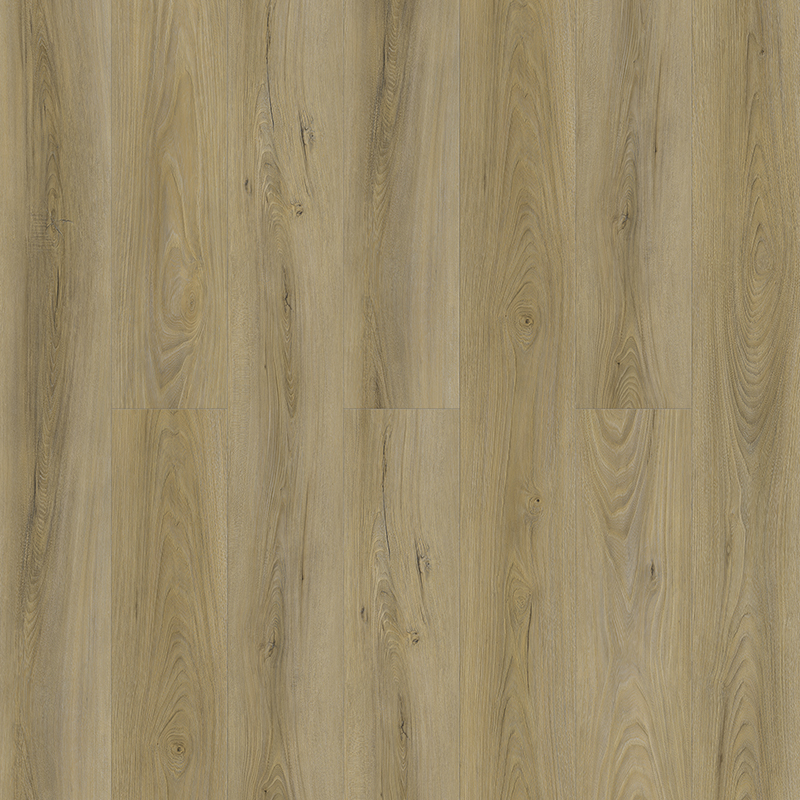
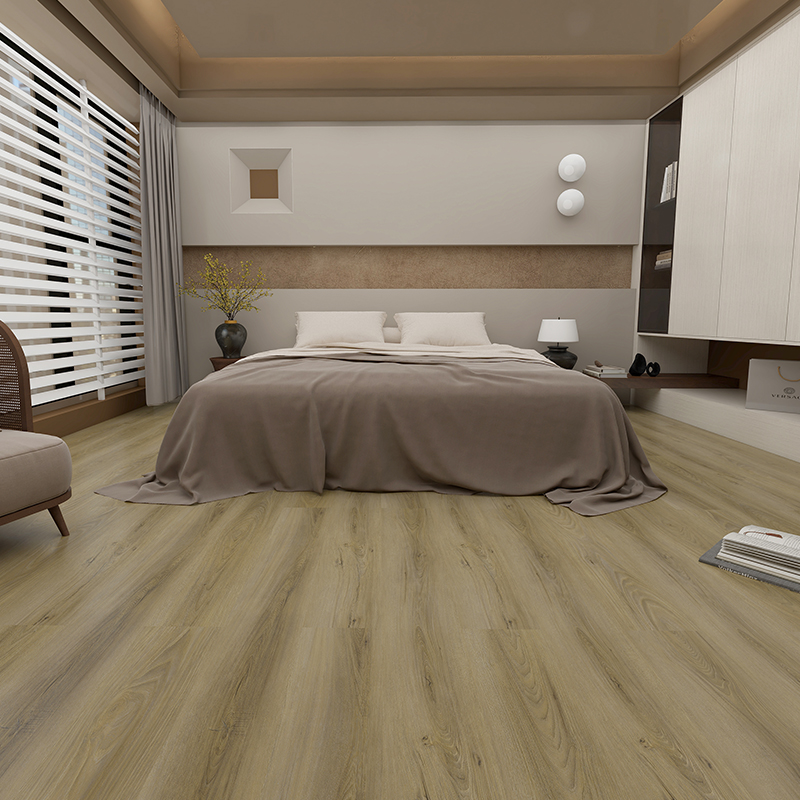 8188
8188Construction: SPC / ABA Floor
Thickness:
Gloss: 5 - 10
L x W: 1220/1520/1800 mm x 125/150/180/228 mm
Edge Treatment: Micro-Bevel / V-Bevel / Painted-Bevel
Finish: UV Coating
Profile: Valinge
Texture: BP embossed/Brush surface/EIR
Feature: 100% Waterproof / Eco-friendly / Anti-Slip / Wear Resistant / Fire Retardant / Sound Barrier -
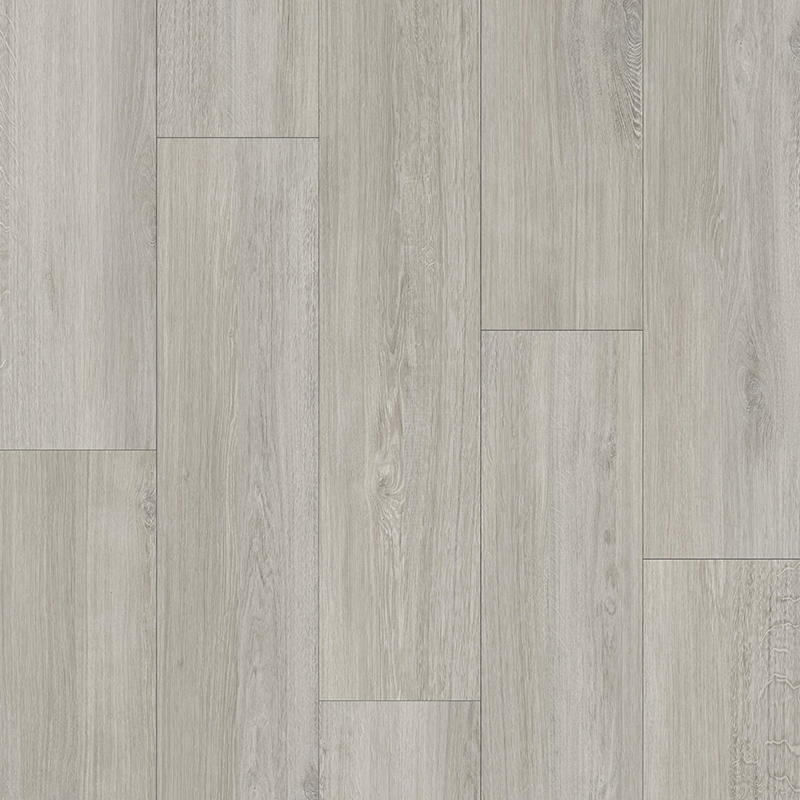
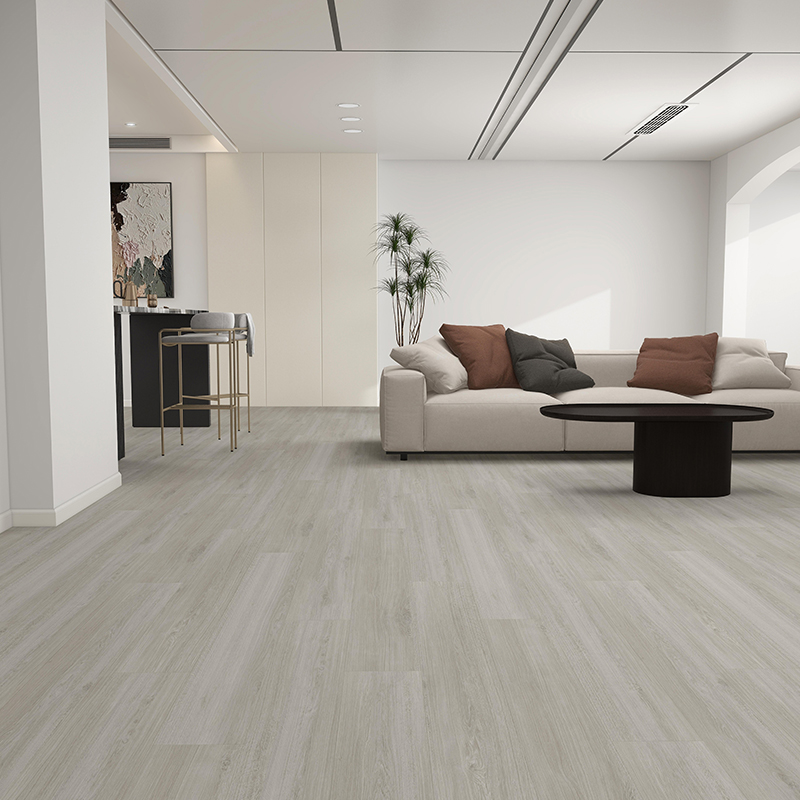 8193
8193Construction: SPC / ABA Floor
Thickness:
Gloss: 5 - 10
L x W: 1220/1520/1800 mm x 125/150/180/228 mm
Edge Treatment: Micro-Bevel / V-Bevel / Painted-Bevel
Finish: UV Coating
Profile: Valinge
Texture: BP embossed/Brush surface/EIR
Feature: 100% Waterproof / Eco-friendly / Anti-Slip / Wear Resistant / Fire Retardant / Sound Barrier -
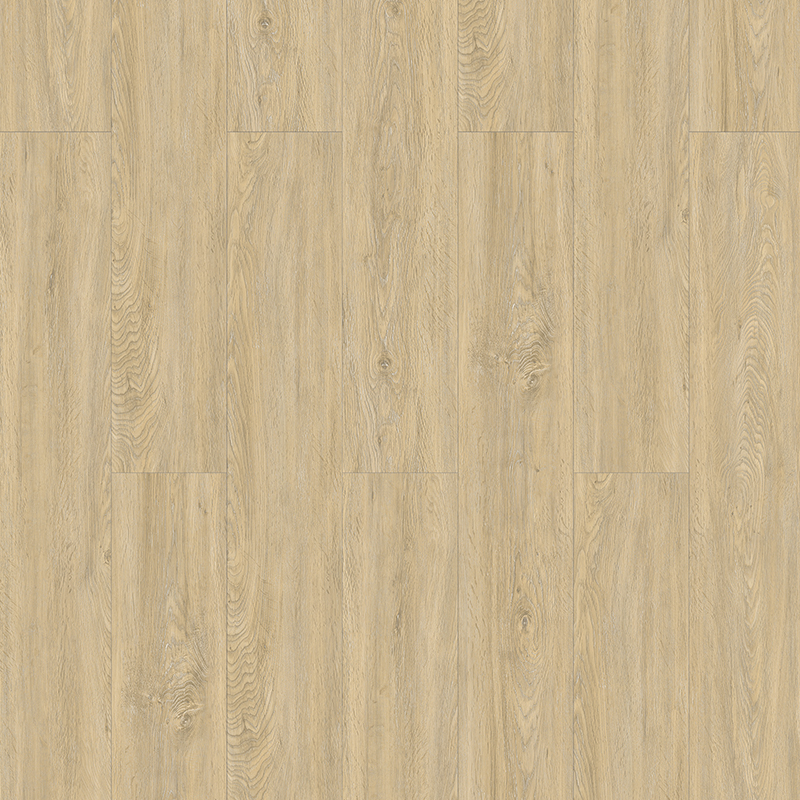
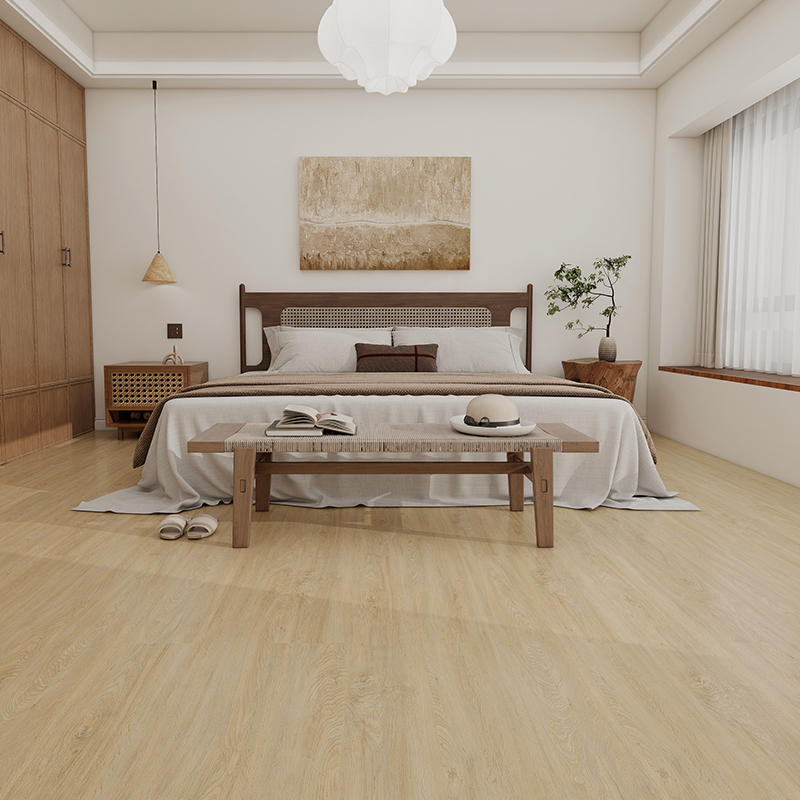 8195
8195Construction: SPC / ABA Floor
Thickness:
Gloss: 5 - 10
L x W: 1220/1520/1800 mm x 125/150/180/228 mm
Edge Treatment: Micro-Bevel / V-Bevel / Painted-Bevel
Finish: UV Coating
Profile: Valinge
Texture: BP embossed/Brush surface/EIR
Feature: 100% Waterproof / Eco-friendly / Anti-Slip / Wear Resistant / Fire Retardant / Sound Barrier -
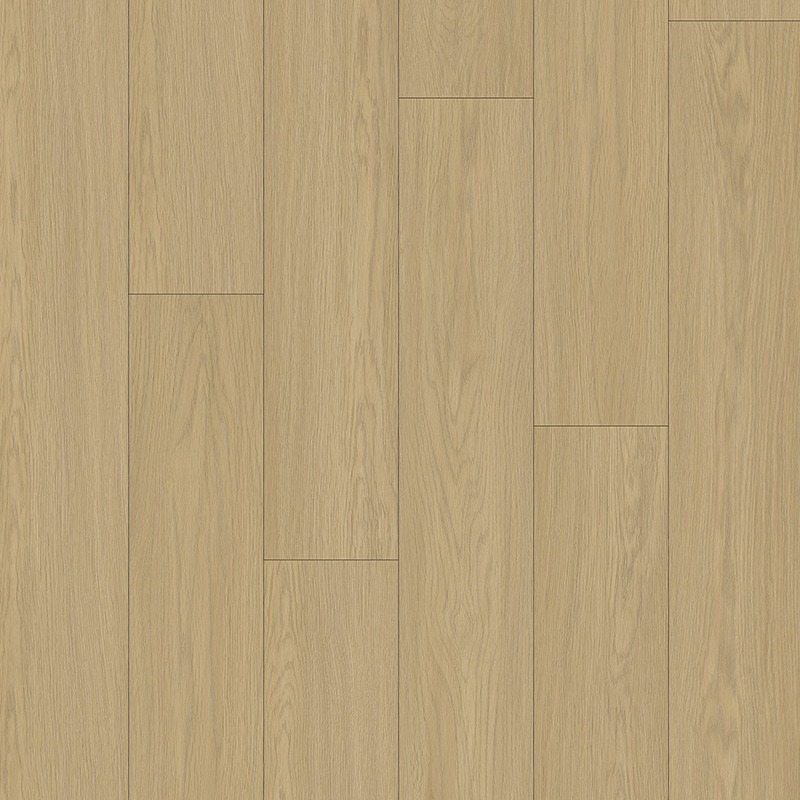
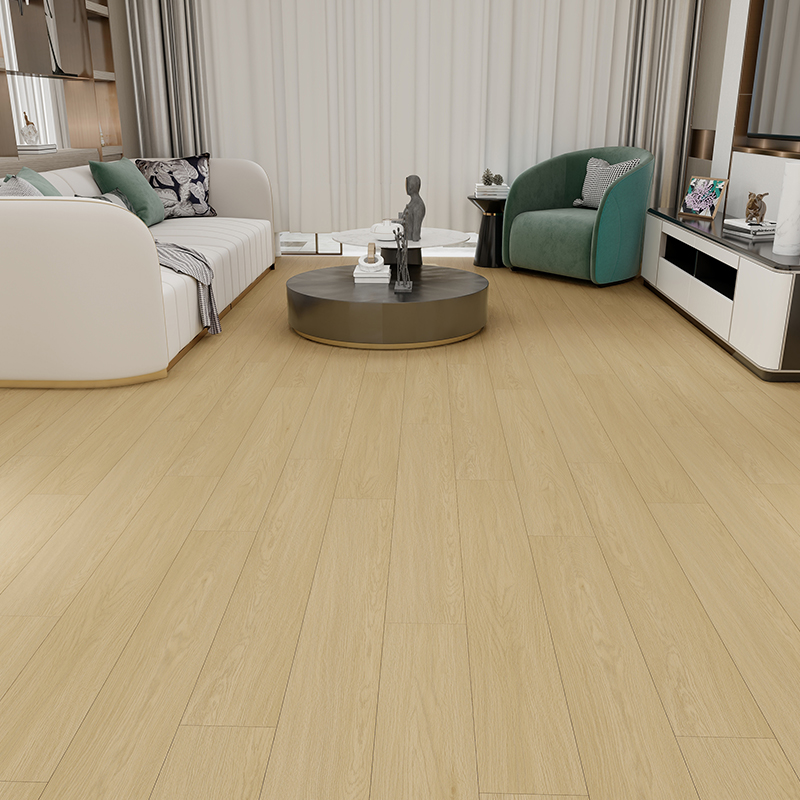 8199
8199Construction: SPC / ABA Floor
Thickness:
Gloss: 5 - 10
L x W: 1220/1520/1800 mm x 125/150/180/228 mm
Edge Treatment: Micro-Bevel / V-Bevel / Painted-Bevel
Finish: UV Coating
Profile: Valinge
Texture: BP embossed/Brush surface/EIR
Feature: 100% Waterproof / Eco-friendly / Anti-Slip / Wear Resistant / Fire Retardant / Sound Barrier -
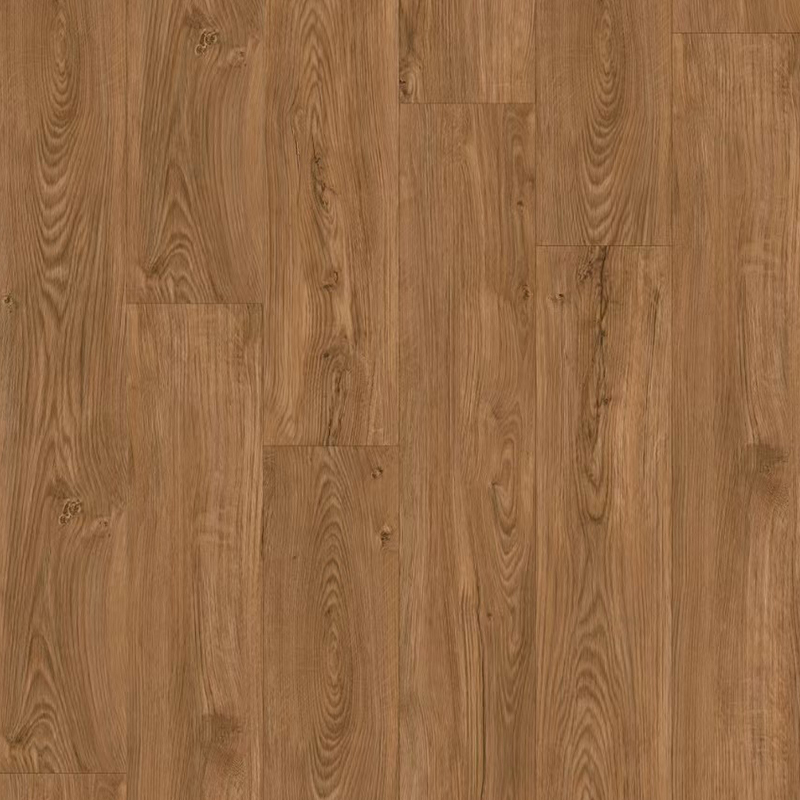
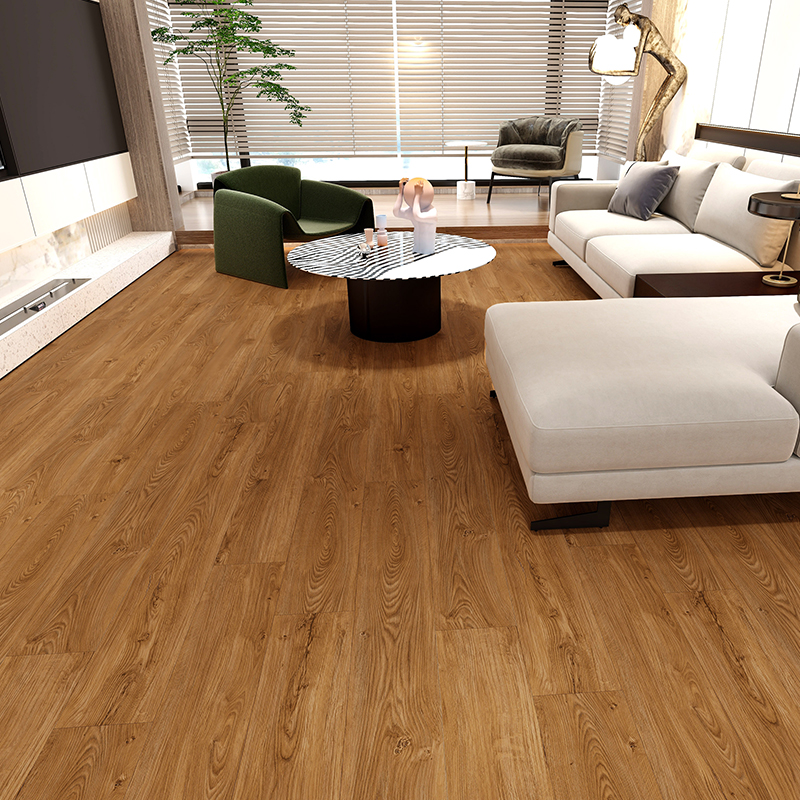 8202
8202Construction: SPC / ABA Floor
Thickness:
Gloss: 5 - 10
L x W: 1220/1520/1800 mm x 125/150/180/228 mm
Edge Treatment: Micro-Bevel / V-Bevel / Painted-Bevel
Finish: UV Coating
Profile: Valinge
Texture: BP embossed/Brush surface/EIR
Feature: 100% Waterproof / Eco-friendly / Anti-Slip / Wear Resistant / Fire Retardant / Sound Barrier -
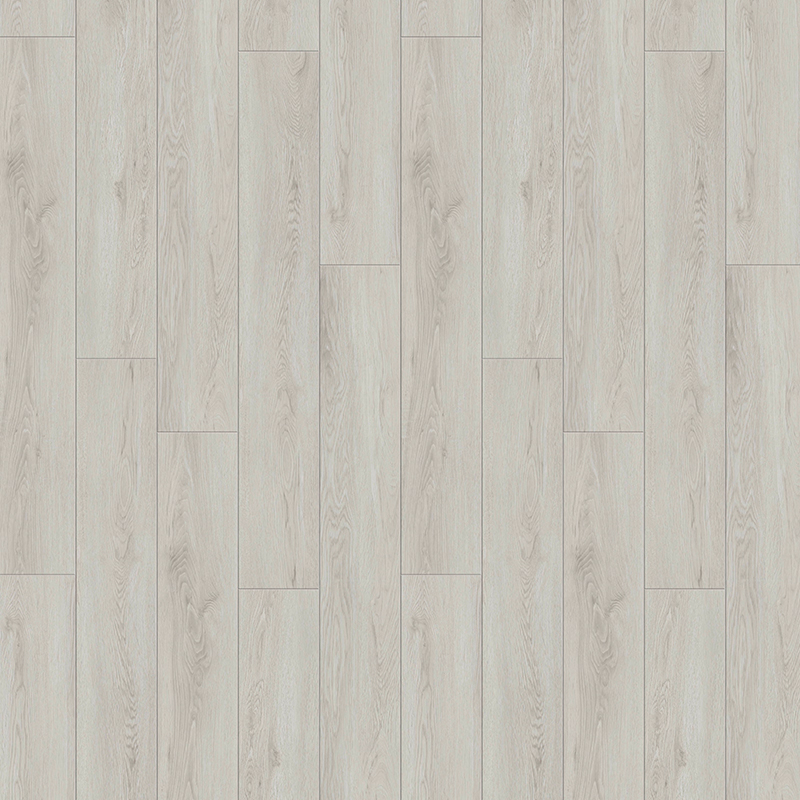
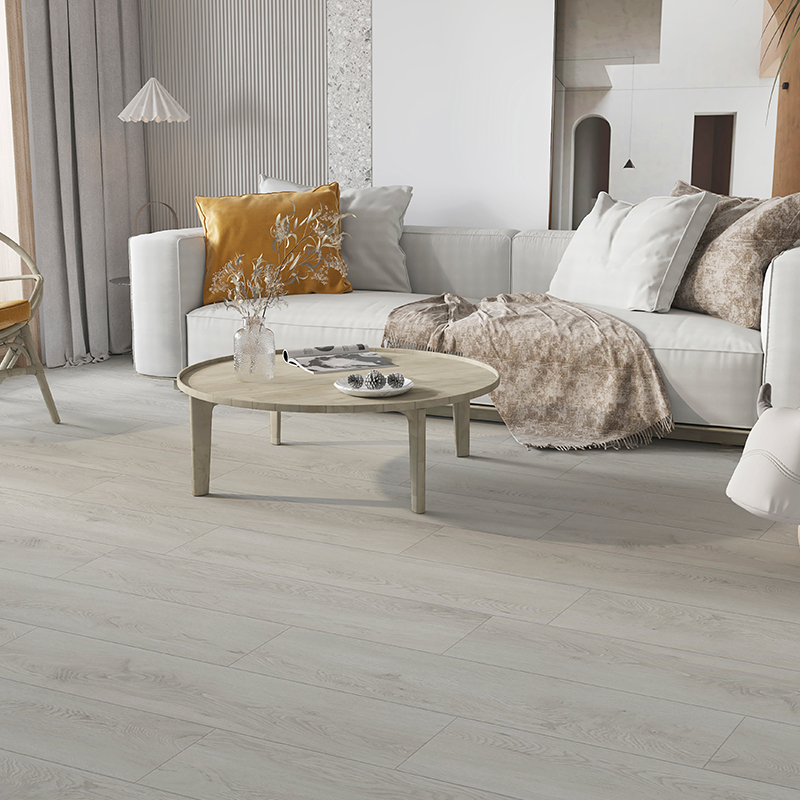 8245
8245Construction: SPC / ABA Floor
Thickness:
Gloss: 5 - 10
L x W: 1220/1520/1800 mm x 125/150/180/228 mm
Edge Treatment: Micro-Bevel / V-Bevel / Painted-Bevel
Finish: UV Coating
Profile: Valinge
Texture: BP embossed/Brush surface/EIR
Feature: 100% Waterproof / Eco-friendly / Anti-Slip / Wear Resistant / Fire Retardant / Sound Barrier -
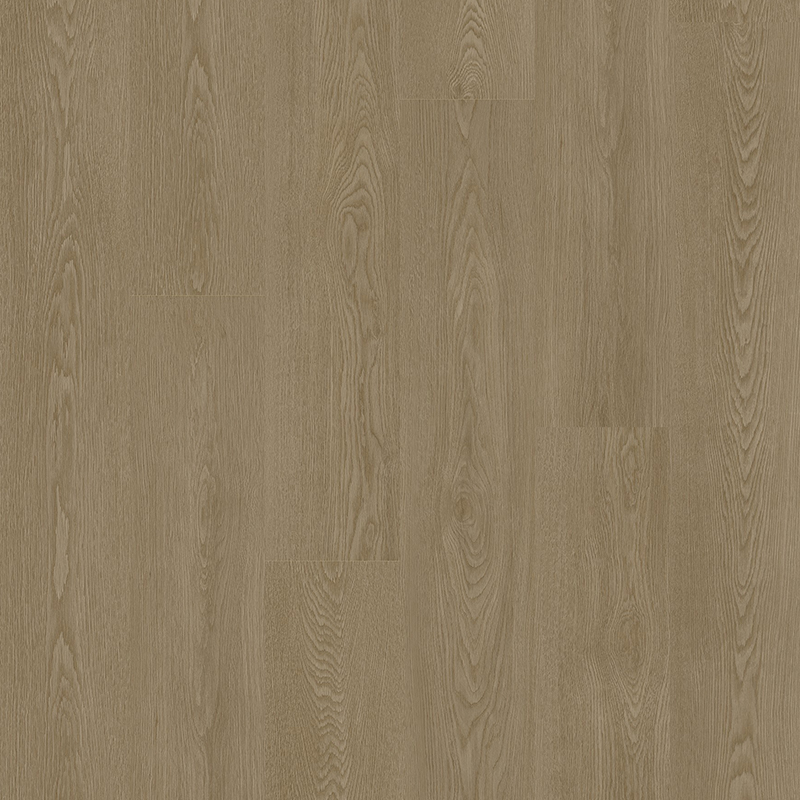
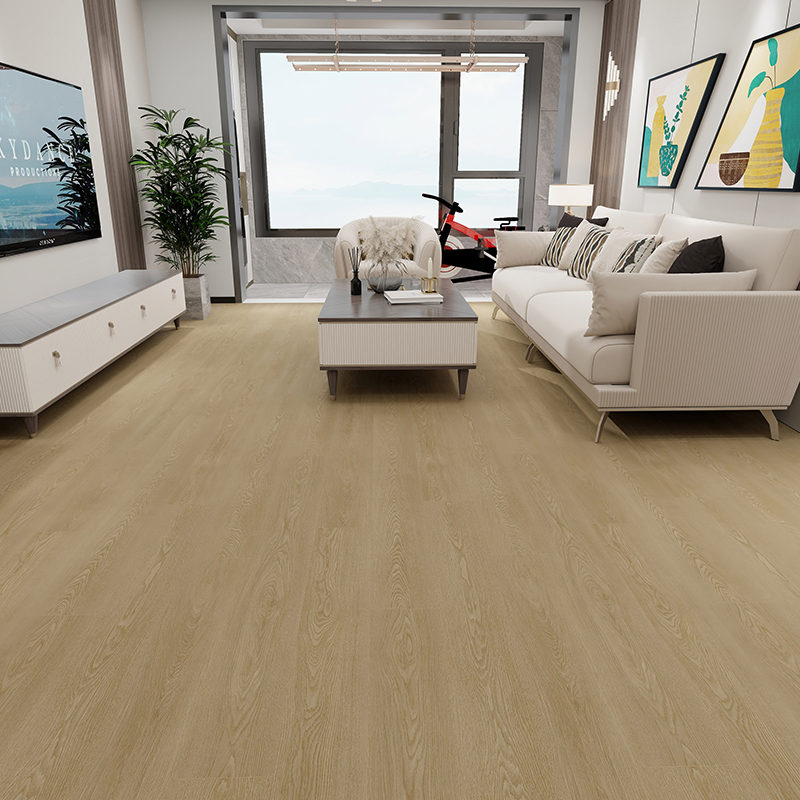 8256
8256Construction: SPC / ABA Floor
Thickness:
Gloss: 5 - 10
L x W: 1220/1520/1800 mm x 125/150/180/228 mm
Edge Treatment: Micro-Bevel / V-Bevel / Painted-Bevel
Finish: UV Coating
Profile: Valinge
Texture: BP embossed/Brush surface/EIR
Feature: 100% Waterproof / Eco-friendly / Anti-Slip / Wear Resistant / Fire Retardant / Sound Barrier -
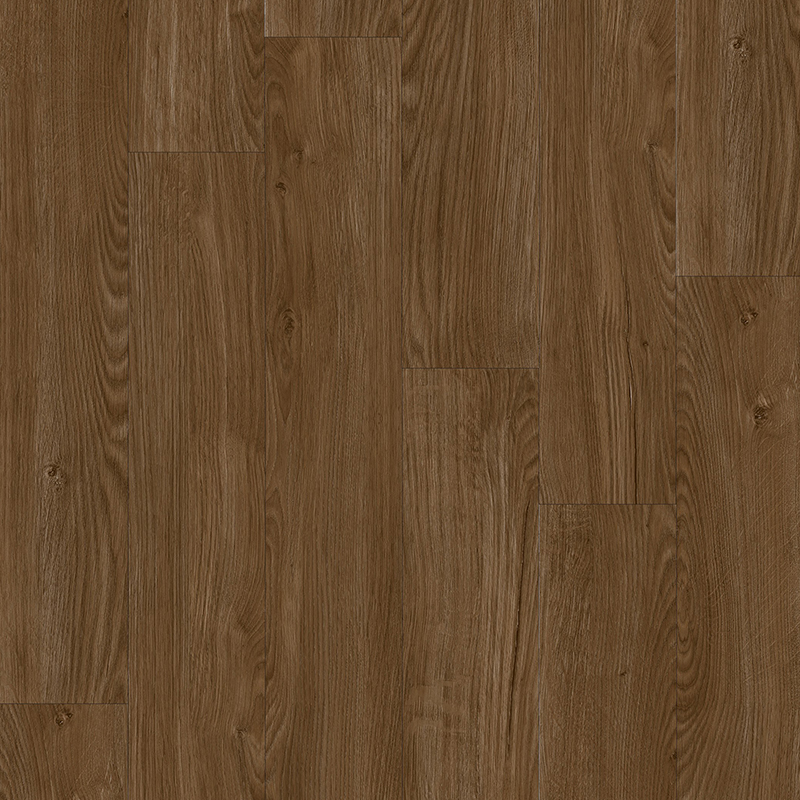
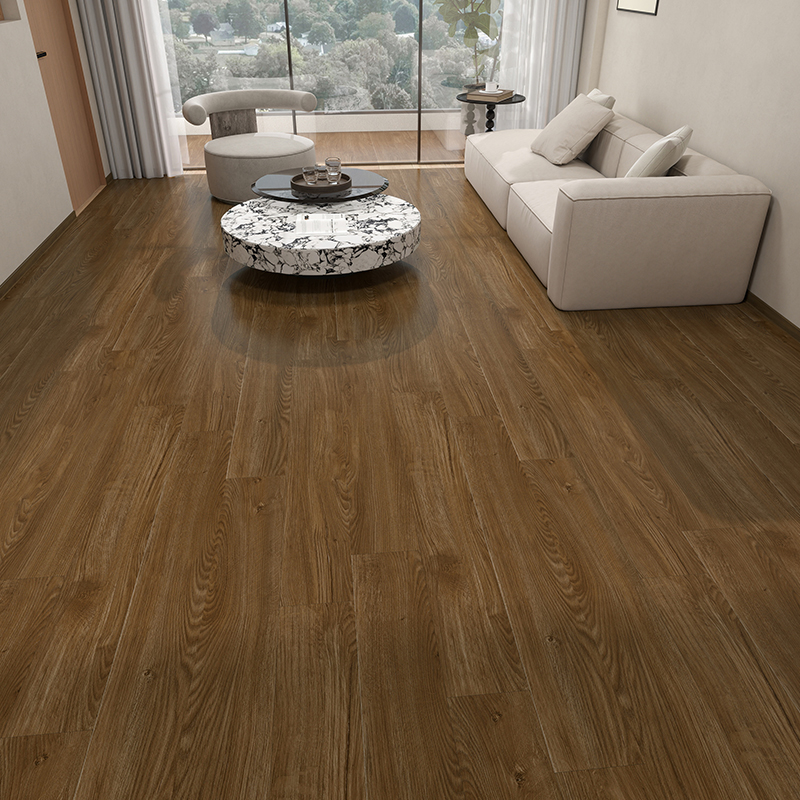 8266
8266Construction: SPC / ABA Floor
Thickness:
Gloss: 5 - 10
L x W: 1220/1520/1800 mm x 125/150/180/228 mm
Edge Treatment: Micro-Bevel / V-Bevel / Painted-Bevel
Finish: UV Coating
Profile: Valinge
Texture: BP embossed/Brush surface/EIR
Feature: 100% Waterproof / Eco-friendly / Anti-Slip / Wear Resistant / Fire Retardant / Sound Barrier -
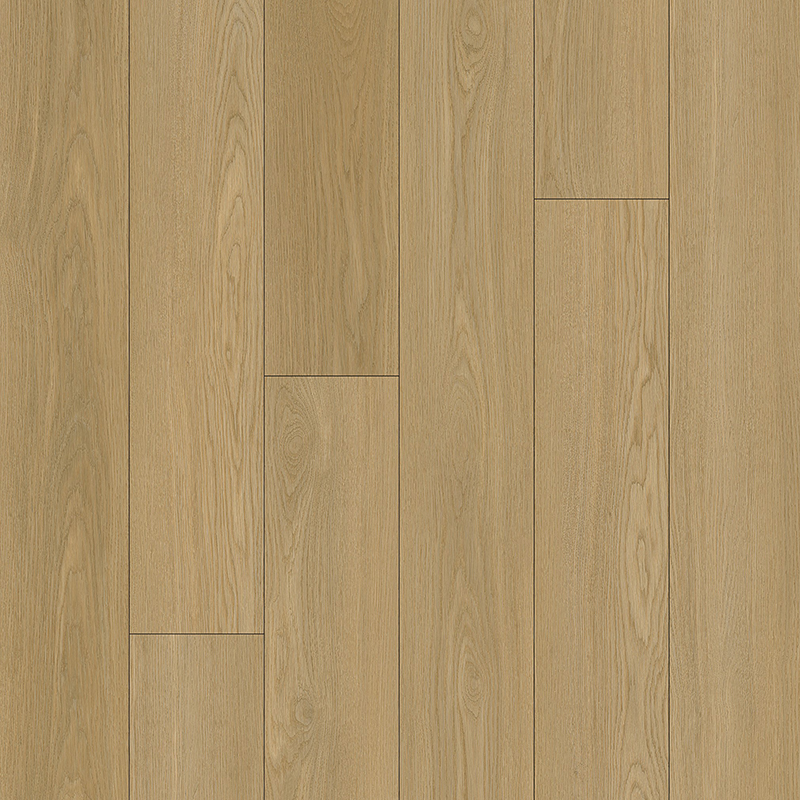
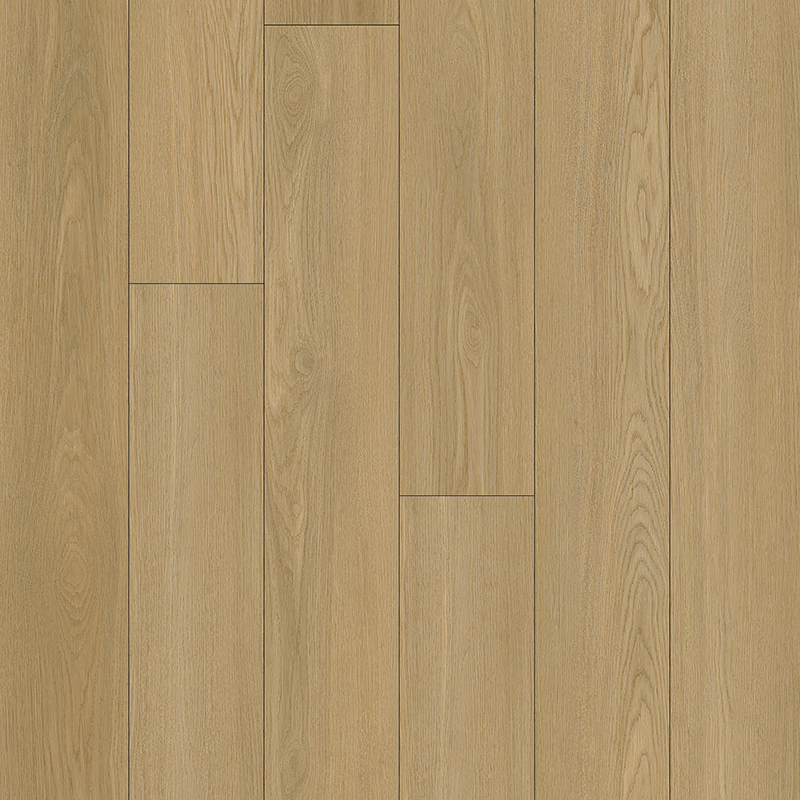 8285
8285Construction: SPC / ABA Floor
Thickness:
Gloss: 5 - 10
L x W: 1220/1520/1800 mm x 125/150/180/228 mm
Edge Treatment: Micro-Bevel / V-Bevel / Painted-Bevel
Finish: UV Coating
Profile: Valinge
Texture: BP embossed/Brush surface/EIR
Feature: 100% Waterproof / Eco-friendly / Anti-Slip / Wear Resistant / Fire Retardant / Sound Barrier -

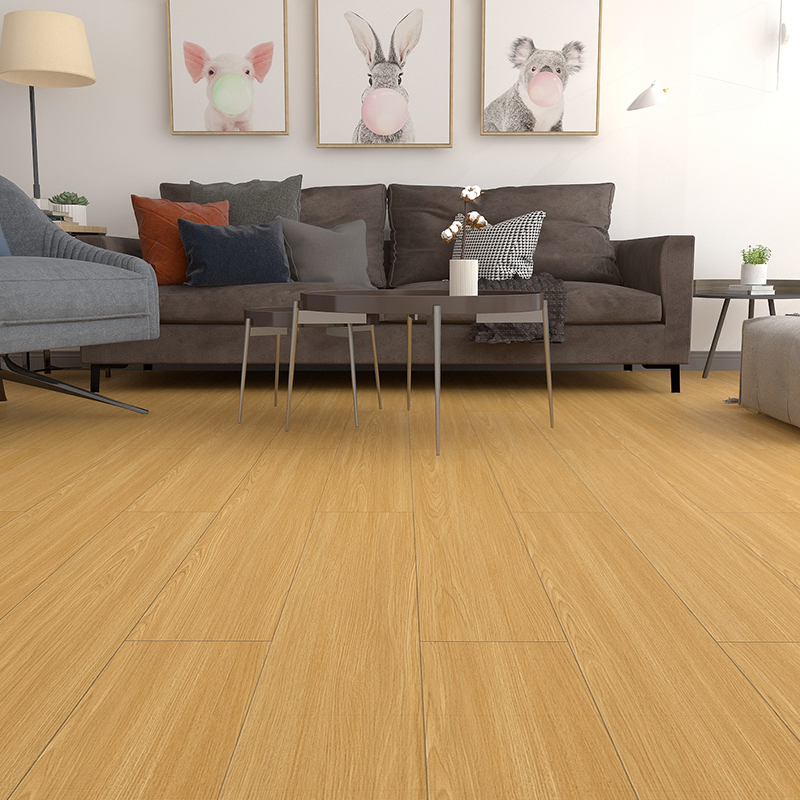 8187
8187Construction: SPC / ABA Floor
Thickness:
Gloss: 5 - 10
L x W: 1220/1520/1800 mm x 125/150/180/228 mm
Edge Treatment: Micro-Bevel / V-Bevel / Painted-Bevel
Finish: UV Coating
Profile: Valinge
Texture: BP embossed/Brush surface/EIR
Feature: 100% Waterproof / Eco-friendly / Anti-Slip / Wear Resistant / Fire Retardant / Sound Barrier
Message Feedback
About Herewin Environmental
Provide Green And Safe Home Decoration Materials
Jiangsu Herewin Environmental Technology Co., Ltd. is a modern manufacturing enterprise focusing on new home decoration materials, integrating R&D, production and sales. As Wood Grain Flooring Manufacturers and Wood Grain Vinyl Flooring Suppliers, the products have passed the certification of international authoritative institutions such as SGS and BV, and are exported to many countries and regions, including Europe, Southeast Asia, and the Middle East. Supply Custom Wood Grain Vinyl Flooring. Relying on stable quality and flexible cooperation modes, the company has won high trust and recognition from global customers.
Industry knowledge
How Wood Grain Flooring Replicates Natural Texture Without Natural Limitations
Modern wood grain flooring, especially wood grain vinyl flooring, relies on high-definition printing and precise embossing technologies to recreate the depth and randomness of natural wood textures. Unlike traditional solid wood, the grain pattern is not constrained by log size, growth defects, or color inconsistency. This allows designers to present oak, walnut, maple, and other wood visuals with stable tone control and consistent grain continuity across large areas, which is particularly valuable in commercial or multi-unit residential projects.
For manufacturers like Jiangsu Herewin Environmental Technology Co., Ltd., this technology aligns with large-scale, stable production. By integrating R&D and manufacturing, the company can fine-tune surface embossing depth and grain alignment to ensure visual realism while maintaining production efficiency and quality consistency.
Surface Treatment and Daily Performance in Real Environments
The surface of wood grain vinyl flooring is not only about appearance. Practical treatments such as wear-resistant layers and micro-textured finishes directly affect slip resistance, scratch tolerance, and long-term appearance. Compared with natural wood flooring that may require periodic refinishing, vinyl-based wood grain flooring focuses on reducing daily maintenance effort while preserving tactile comfort.
- Fine surface texturing improves grip without creating a rough feel underfoot.
- Protective layers help resist staining from common household or commercial spills.
- Stable surface coatings reduce visible wear in high-traffic areas such as offices and retail spaces.
Environmental Considerations Behind Wood Grain Vinyl Flooring
From an industry perspective, wood grain vinyl flooring supports the shift toward environmentally conscious interior materials. By reducing reliance on solid hardwood, it helps lower pressure on forest resources while still delivering the visual warmth associated with natural wood. Environmental control during production also plays a key role in overall performance and safety.
Herewin’s flooring products reflect this direction by emphasizing environmental protection, safety, and durability. Certified by international institutions such as SGS and BV, the materials are designed to meet regulatory and market expectations in Europe, Southeast Asia, and the Middle East, where environmental compliance and indoor air quality are increasingly important selection factors.
Application Logic Across Residential and Commercial Spaces
Wood grain flooring is often selected not just for aesthetics, but for its adaptability to different functional environments. In residential spaces, it contributes warmth and visual continuity across living rooms, bedrooms, and apartments. In commercial settings, its dimensional stability and ease of upkeep support long-term use without frequent disruption.
| Application Area | Key Value of Wood Grain Vinyl Flooring |
| Residential Apartments | Visual warmth with stable performance across multiple rooms |
| Offices | Reduced maintenance and consistent appearance under foot traffic |
| Commercial Projects | Reliable supply, uniform quality, and flexible design options |
Manufacturing Capability and Supply Stability
In large-scale flooring projects, material selection is closely linked to manufacturing stability and delivery reliability. Located in Jiangyin, a well-established manufacturing hub, Jiangsu Herewin Environmental Technology Co., Ltd. benefits from a mature industrial ecosystem and efficient logistics. This enables consistent output of wood grain vinyl flooring suitable for both customized orders and standardized project supply.
By combining SPC stone plastic flooring, ABA multi-layer flooring, and wood-plastic product expertise under one production system, the company supports diverse project needs while maintaining controlled quality standards, making wood grain flooring a dependable choice for long-term interior planning.
LET'S WORK TOGETHER
WELCOME TO JOIN!
-
+86-13616168066
-
[email protected]

-
+86-510-86525168
-
No.8 North Huanzhen Road, Mazhen,Xuxiake Town,Jiangyin City,Jiangsu Province,China
Copyright © 2025 Jiangsu Herewin Environmental Technology Co., Ltd. All Rights Reserved. OEM/ODM Wood Grain Flooring Factory
