
 EN
EN
 English
 Español
 عربى
عربى 中文简体
中文简体

-
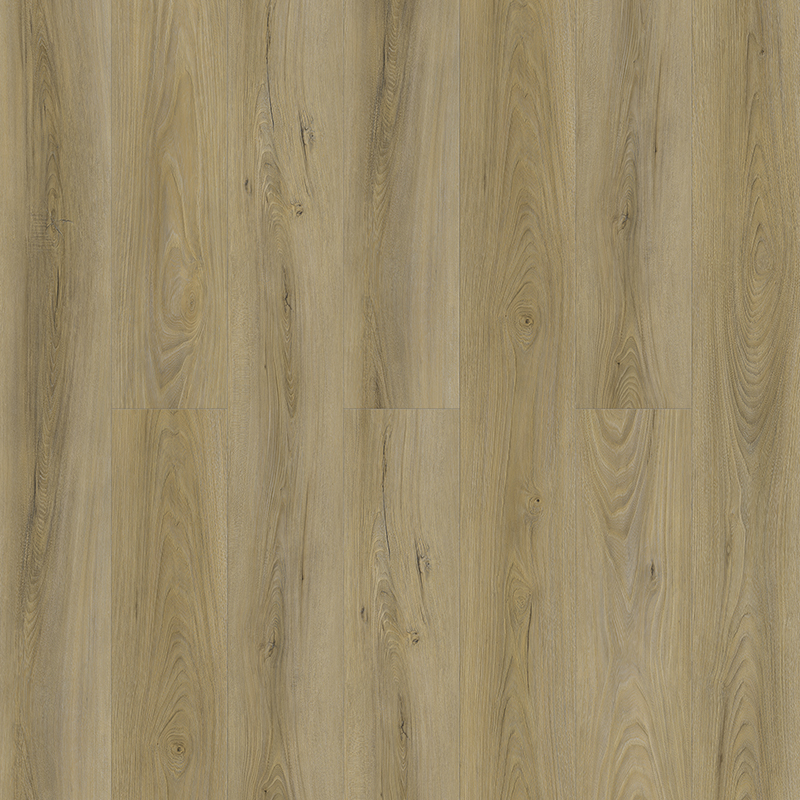
SPC Flooring: Eco-friendly and Durable, Leading the New Trend in Home Furnishings?
Jul, 31, 2025
Industry NewsIn the modern home environment that pursues greenness, health, and comfort, SPC flooring (Stone Plastic Composite flooring) stands out with its unique advantages, becoming the preferred flooring mater... -
ABA Formaldehyde-free Flooring: An Ideal Choice for Green Homes and Public Spaces?
Jul, 31, 2025
NewsAs an innovative product in the field of environmentally friendly building materials, ABA formaldehyde-free flooring is gradually gaining a foothold in home decoration and various public spaces with i... -
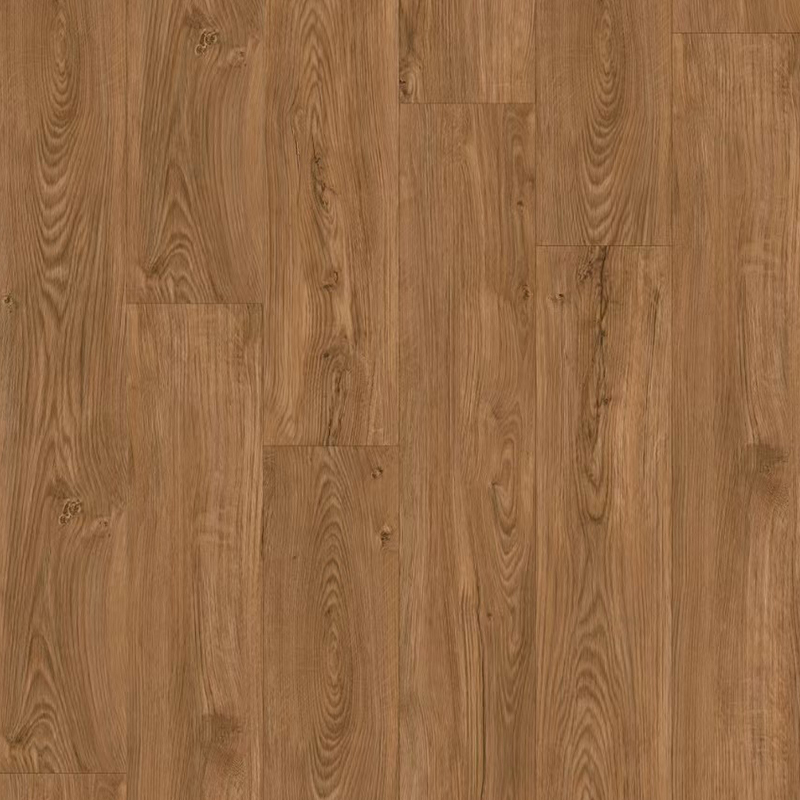
SPC Flooring is Coming for You?
Jul, 31, 2025
Industry NewsSPC stone plastic flooring has been popular in foreign countries such as the United States, Europe, Japan, South Korea, etc. for decades, and has basically replaced laminate flooring. However, in Chin... -
Tips to Keep SPC Flooring Looking New for Years?
Jul, 31, 2025
Industry NewsAs a popular flooring option on the market today, SPC flooring is widely used in both commercial and residential settings. However, long-term daily use can to wear and tear, requiring regular maintena...

-
+86-13616168066

TEL:
-
+86-510-86525168

Fax:
-
No.8 North Huanzhen Road, Mazhen,Xuxiake Town,Jiangyin City,Jiangsu Province,China

Address:
Feel Free To Contact Us :
-
+86-13616168066
-
-

Interior Decorative Wall Panels Suppliers
The Interior Decorative Wall Panel brings a perfect blend of elegance and functionality to any space. Designed for modern interiors, it enhances the aesthetic appeal of walls while offering practical benefits.
Its surface is crafted with high-quality, durable materials that resist moisture and stains, ensuring long-lasting beauty. The panel is lightweight yet sturdy, making installation effortless and efficient.
The design emphasizes clean lines and refined textures, creating a sophisticated atmosphere suitable for residential, commercial, or office settings.
Environmentally friendly production methods and formaldehyde-free materials make this panel safe for indoor use, contributing to a healthy living environment.
Modular and versatile, it can be combined in various patterns, offering flexibility in design and personalization. Its low maintenance requirements simplify care, keeping interiors fresh and stylish with minimal effort.
Message Feedback
About Herewin Environmental
Provide Green And Safe Home Decoration Materials
Jiangsu Herewin Environmental Technology Co., Ltd. is a modern manufacturing enterprise focusing on new home decoration materials, integrating R&D, production and sales. As Interior Decorative Wall Panels Suppliers and Interior Decorative Wall Panels Company, the products have passed the certification of international authoritative institutions such as SGS and BV, and are exported to many countries and regions, including Europe, Southeast Asia, and the Middle East. Supply Custom Interior Decorative Wall Panels. Relying on stable quality and flexible cooperation modes, the company has won high trust and recognition from global customers.
Industry knowledge
How to Choose the Right Wall Panel Substrate for Your Project
Interior decorative wall panels can look similar on-screen, but the substrate determines long-term performance. The “right” choice depends on moisture exposure, impact risk, and installation constraints. A practical rule: prioritize dimensional stability for large walls and prioritize moisture tolerance for kitchens, bathrooms (dry zones), and coastal regions.
Fast decision guide
- High humidity / frequent cleaning: favor substrates with low water absorption and sealed edges.
- Public or commercial traffic: choose higher impact resistance and thicker profiles.
- Uneven walls or quick refurbishment: choose systems that tolerate minor wall waviness and allow mechanical fastening.
- Large continuous surfaces: focus on thermal expansion control and consistent batch-to-batch geometry.
In our export projects across Europe, Southeast Asia, and the Middle East, we typically match the substrate to the on-site climate and maintenance habits—this reduces callbacks far more than selecting by appearance alone.
Understanding Wear Layers and Surface Finishes
For panels with printed décor films or laminated surfaces, the surface “system” often includes a protective layer, décor layer, and adhesive/primer. Most visible defects after installation (micro-scratches, gloss mismatch, “orange peel”) trace back to this system rather than the core material.
Practical checks buyers can request
- Scratch resistance level (test method and results) for the topcoat or film.
- Gloss tolerance between batches: specify acceptable deviation if you plan to reorder later.
- Stain resistance: confirm performance against common household stains (coffee, oil, marker).
- UV stability if exposed to strong daylight or storefront lighting.
A useful conclusion: for commercial spaces, surface durability usually matters more than pattern complexity—a premium décor that scratches easily becomes expensive over time.
Moisture, Steam, and Temperature: Where Panels Fail First
In real projects, failures rarely happen in the middle of a wall; they start at edges, seams, and cutouts. Moisture and heat accelerate issues like edge swelling, adhesive weakening, seam shadowing, and warping. Managing edges and seams is the most effective way to protect the installation.
Installation details that prevent moisture-related defects
- Seal exposed cuts (especially bottom edges near floors) with a compatible sealer.
- Use expansion gaps at perimeter transitions; do not hard-pack corners.
- Avoid direct steam impact zones (e.g., behind kettles or commercial dishwashers) unless the panel system is specified for it.
- Choose adhesives rated for humidity and temperature swings when using full-surface bonding.
When we support buyers on engineering projects, we focus on these “edge conditions” first—because good detailing can outperform expensive materials installed incorrectly.
Adhesive vs Mechanical Fixing: What Changes in Performance
Buyers often choose installation methods based on speed, but the method also changes long-term behavior. Full-surface adhesive bonding improves acoustic damping and eliminates “hollow sound,” while mechanical fixing can be more forgiving on uneven walls and easier to replace.
| Method | Best for | Common risk | Mitigation |
|---|---|---|---|
| Full-surface adhesive | Smooth walls, low hollow sound, premium finish | Bond failure in humidity or dusty substrates | Surface prep + humidity-rated adhesive |
| Spot bonding (dot-and-dab) | Fast renovation, minor wall unevenness | Hollow sound, local stress points | Increase bonding points + avoid large voids |
| Mechanical fixing (clips/screws) | Serviceable walls, commercial spaces, uneven substrates | Fastener telegraphing, alignment drift | Use leveling battens + controlled torque |
If you want fewer surprises on-site, decide the fixing method early and then specify the panel system around it—this is how we keep deliveries consistent for large-volume buyers.
Joint Design: Why Seams Look “Fine” on Day 1 but Not on Day 90
Seam appearance changes because of micro-movement: thermal expansion, building settlement, and substrate moisture cycling. Even a small movement can create seam shadowing under directional lighting (windows, spotlights) and make patterns look misaligned.
Seam strategies that hold up better
- Micro-beveled seams hide tiny height differences better than sharp butt joints.
- Consistent tongue-and-groove geometry improves alignment over long runs.
- For patterned decors, plan the “repeat” and cut layout to avoid awkward mismatches at corners.
- Always control lighting direction during acceptance checks—seams are most visible with raking light.
Best practice: evaluate seams from at least two angles and two distances (close inspection and typical viewing distance) before signing off on an installation.
Fire Performance and Compliance: What Buyers Should Actually Ask For
Fire performance isn’t a single number; it’s a combination of ignition resistance, flame spread, smoke development, and how a system behaves when installed (panel + substrate + adhesive). For international procurement, always align test reports with the destination market’s accepted standards and the exact installed configuration.
Buyer checklist for compliance documents
- Verify the report is issued by a recognized lab and matches the same product thickness you are purchasing.
- Confirm whether the test is for the panel alone or a full system (including adhesive/substrate).
- Check the validity date and scope (some reports are limited to specific variants).
- Keep a copy for project handover—this is often required in commercial fit-outs.
Our panels are supplied with third-party certifications from international institutions such as SGS and BV, which helps buyers streamline documentation when shipping across regions.
Acoustic Expectations: What Wall Panels Can (and Can’t) Do
Interior decorative wall panels are often assumed to “soundproof” a room, but most smooth decorative panels mainly change reflection and subjective comfort, not isolation. True sound insulation depends on mass, decoupling, airtightness, and cavity design. Panels can still contribute meaningfully when used correctly.
Practical upgrades for better acoustic results
- Add a resilient layer (foam/felt) behind the panel to reduce “hollow” resonance.
- Use battens + mineral wool in cavities if you want a noticeable change in room comfort.
- Seal perimeter gaps; small air leaks can undermine the whole assembly.
Expectation setting: panels improve aesthetics immediately; acoustic improvement is possible, but it requires a system approach.
Planning for Reorders: Batch Control, Color Tolerance, and Pattern Repeat
Many projects start small and expand later—additional rooms, more stores, or a second phase. The most common reorder pain points are color tolerance, gloss mismatch, and pattern repeat alignment. You can reduce these risks by defining what “matching” means before the first shipment.
What to specify upfront
- Keep a signed “golden sample” and note lighting conditions used for approval.
- Ask the supplier to record batch codes on packing lists for traceability.
- For wood/stone patterns, request the pattern repeat length so installers can plan cuts.
- If the project is brand-sensitive (retail chains), set gloss and tone tolerances as acceptance criteria.
Because we run efficient manufacturing in Jiangyin with a mature supply chain, we can support flexible cooperation for phased projects—helping buyers keep consistency without overstocking.
LET'S WORK TOGETHER
WELCOME TO JOIN!
-
+86-13616168066
-
[email protected]

-
+86-510-86525168
-
No.8 North Huanzhen Road, Mazhen,Xuxiake Town,Jiangyin City,Jiangsu Province,China
Copyright © 2025 Jiangsu Herewin Environmental Technology Co., Ltd. All Rights Reserved. Interior Decorative Wall Panels Company
