
 EN
EN
 English
 Español
 عربى
عربى 中文简体
中文简体

-
+86-13616168066

TEL:
-
+86-510-86525168

Fax:
-
No.8 North Huanzhen Road, Mazhen,Xuxiake Town,Jiangyin City,Jiangsu Province,China

Address:
Feel Free To Contact Us :
-
+86-13616168066
-
-

Jun. 18, 2026
Industry News
EPC Flooring: 7 Reasons Renovators Are Choosing It in 2026
Content
- 1 EPC Flooring Keeps Getting Installed in Renovation Projects — Here's Exactly Why
- 2 What Makes EPC Different from Standard Vinyl
- 3 EPC vs SPC: Where Each One Wins
- 4 Real Product Specs — Not Marketing Language
- 5 Installation: What the Valinge Click System Actually Means for You
- 6 Design Options: Beyond Basic Wood Grain
- 7 Where EPC Flooring Works Best — and Where to Skip It
- 8 The Practical Bottom Line
EPC Flooring Keeps Getting Installed in Renovation Projects — Here's Exactly Why
Pick up any renovation forum thread from the past year and you'll notice a pattern: homeowners who started researching EPC Flooring for one room ended up replacing their whole house. That's not a coincidence. EPC — short for Expanded Polymer Composite — fills a real gap that most rigid-core floors leave open: it's warm underfoot, genuinely quiet, and light enough that a single person can handle installation without straining their back or their subfloor.
This article breaks down the specs, the honest trade-offs, and the rooms where EPC outperforms every alternative.
What Makes EPC Different from Standard Vinyl
EPC Vinyl Flooring is built around a foamed substrate core — the key structural difference that separates it from SPC (Stone Plastic Composite) flooring. Where SPC packs limestone powder and polymer into a dense, rigid slab, EPC expands its core with micro air pockets. The result is a plank that's noticeably lighter, softer underfoot, and far better at retaining warmth.
That foamed core also absorbs impact and vibration rather than reflecting it back — which is why EPC consistently outperforms denser floors in bedroom and home-office settings where quiet matters most.
EPC vs SPC: Where Each One Wins
| Feature | EPC Flooring | SPC Flooring |
|---|---|---|
| Core Structure | Foamed polymer substrate | Dense limestone + polymer |
| Underfoot Feel | Warm, cushioned | Hard, cool |
| Sound Insulation | Superior (absorbs impact) | Moderate |
| Thermal Retention | Excellent — suits underfloor heating | Less effective |
| Weight per Plank | Lightweight — easier handling | Heavier |
| High-Load Areas | Avoid (e.g. warehouse, gym) | Handles heavy loads well |
The practical takeaway: choose EPC for living spaces where comfort is the priority. Choose SPC for high-traffic commercial floors or areas subjected to heavy equipment.
Real Product Specs — Not Marketing Language
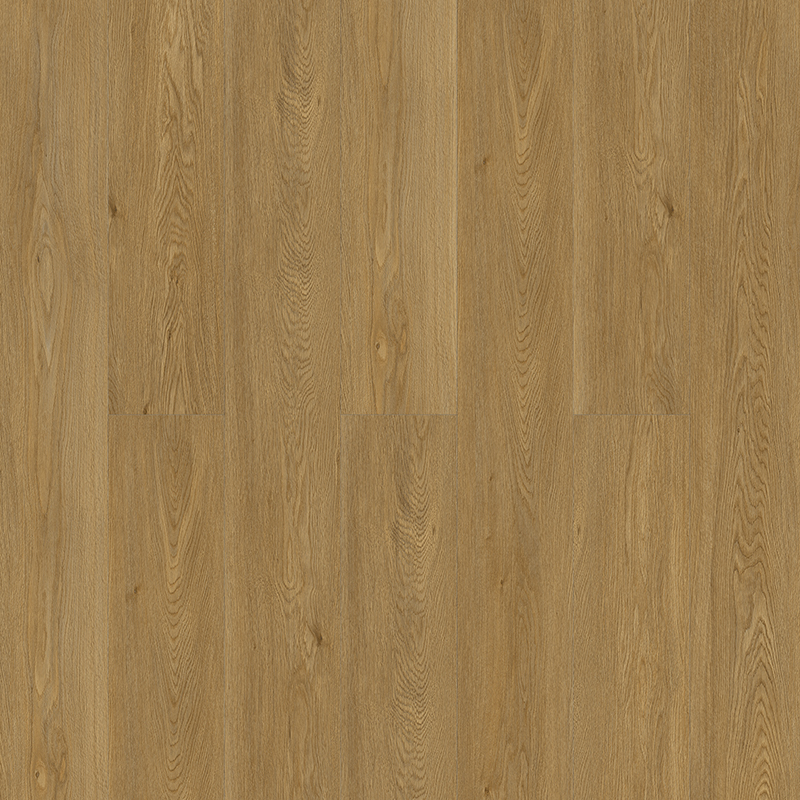
The EPC Click Vinyl Plank Flooring range comes in plank lengths of 1220 / 1520 / 1800 mm and widths of 125 / 150 / 180 / 228 mm — a size spread that accommodates everything from compact bathrooms to open-plan living areas. Surface finish is UV coating with a controlled gloss level of 5–10, which means a soft, matte-leaning sheen that hides everyday scuffs rather than highlighting them.
Available edge treatments include Micro-Bevel, V-Bevel, and Painted-Bevel — each affecting how pronounced the plank joints appear after installation. The surface textures span BP embossed, brush finish, and Embossed-in-Register (EIR), where the texture grain is perfectly synced with the visual pattern underneath — delivering a tactile realism that flat-embossed floors can't replicate.
On the performance side: 100% waterproof, anti-slip, fire-retardant, wear-resistant, and certified by both SGS and BV. These aren't self-declared claims — they're independently verified, which matters if you're specifying product for a commercial project or a multi-family building.
Installation: What the Valinge Click System Actually Means for You
EPC planks use the Valinge click-lock profile — one of the most widely tested locking systems in the flooring industry. The mechanism is glueless and nail-free: planks angle-in and lock down without adhesives, which means no curing time and zero off-gassing from solvents post-install. You can walk on the floor the moment the last plank clicks into place.
For renovation projects specifically, this matters on two fronts. First, EPC's lighter weight puts far less stress on existing subfloors than rigid-core alternatives — a meaningful advantage in older buildings or multi-story apartments where load tolerance is a concern. Second, the floating installation method means the floor can be removed and reinstalled if you move — something glue-down floors simply don't allow.
Subfloor must be flat to within ±3mm per 1.8m. Beyond that, no special preparation is required. The click system corrects minor irregularities on its own during assembly.
Design Options: Beyond Basic Wood Grain
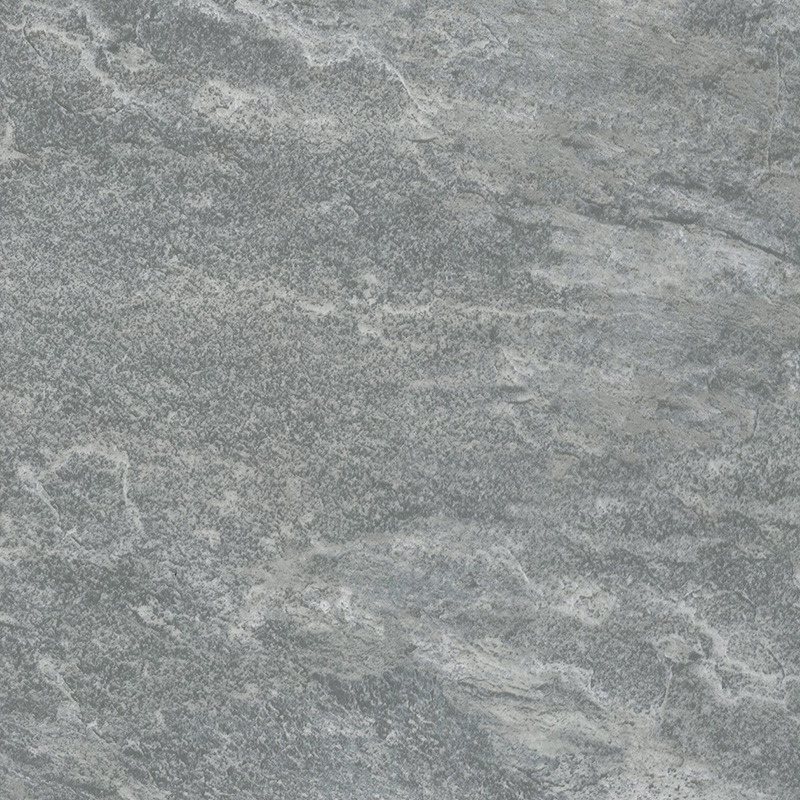
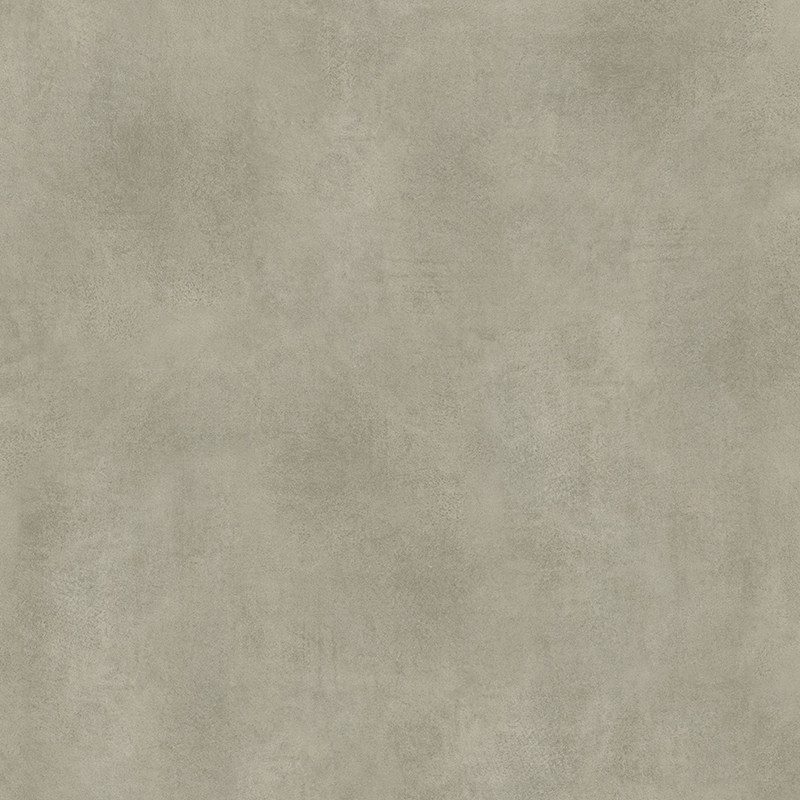
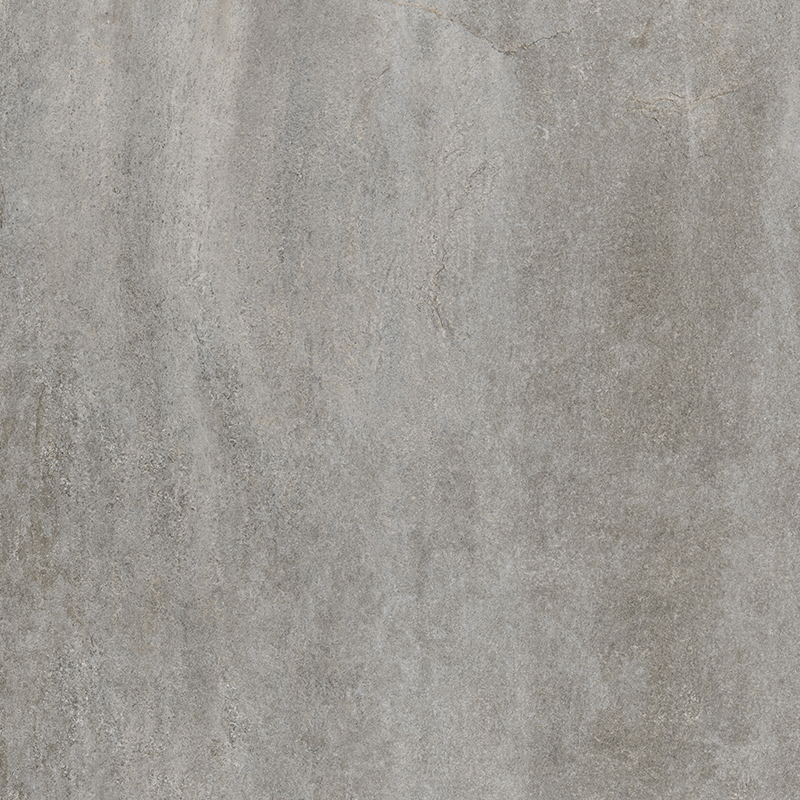
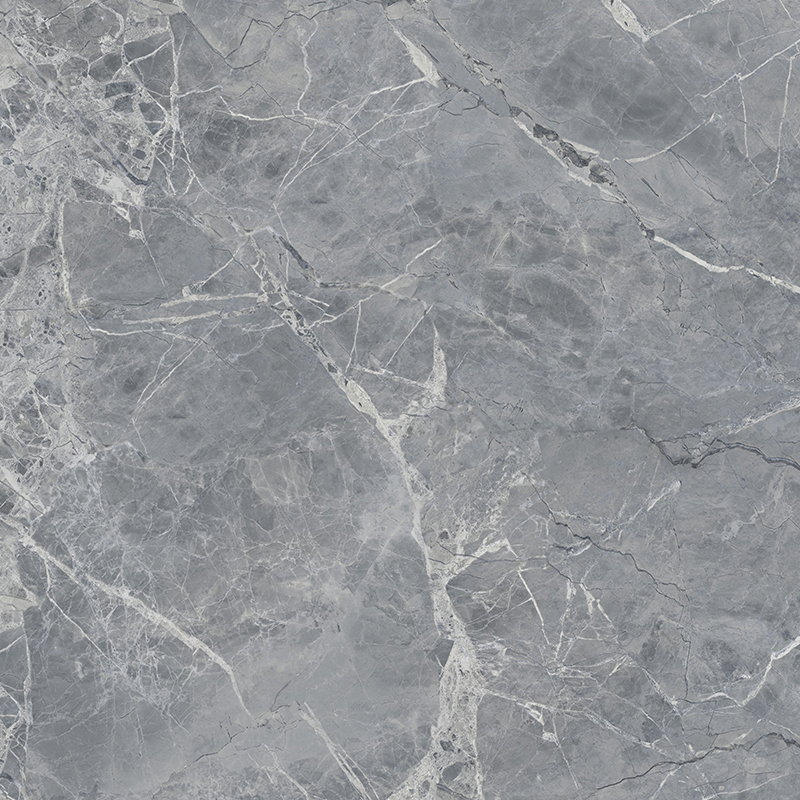
EPC isn't limited to faux-hardwood looks. The tile texture patterns — including grey quartzite, dark marble with white veining, slate, and light cement — bring a stone aesthetic to rooms that can't support the weight of actual tile. The quartzite option in particular delivers a layered, mineral visual depth that reads as premium in photos and even better in person.
For projects requiring more than just flooring, the same product system extends to EPC wall panels, allowing floors and walls to be matched from a single material family — which simplifies procurement and creates a cleaner visual result.
Where EPC Flooring Works Best — and Where to Skip It
Best applications: bedrooms, studies, home offices, living rooms, underfloor-heated spaces, rental renovations, and commercial environments requiring quiet (clinics, hotel rooms, co-working spaces).
Avoid in: areas subject to heavy static loads — commercial kitchen equipment stations, server rooms, or spaces where industrial racking will sit directly on the floor. The foamed core, while excellent for comfort, isn't designed to bear concentrated point loads over time.
The Practical Bottom Line
EPC earns its place in renovation projects not because of marketing, but because of what its structure actually does: it makes floors warmer, quieter, and easier to live on — without complicating installation or inflating material costs. The Valinge locking system handles the hard part. The foamed core handles the rest.
If you're sourcing for a project and need certified product with OEM/ODM flexibility, the full EPC Vinyl Flooring range — including all size, texture, and edge treatment combinations — is available for wholesale inquiry with response within 12 hours.



LET'S WORK TOGETHER
WELCOME TO JOIN!
-
+86-13616168066
-
[email protected]

-
+86-510-86525168
-
No.8 North Huanzhen Road, Mazhen,Xuxiake Town,Jiangyin City,Jiangsu Province,China
JOIN OUR MAILING LIST
Copyright © 2025 Jiangsu Herewin Environmental Technology Co., Ltd. All Rights Reserved. Vinyl Plank Flooring Manufacturers SPC Rigid Core Flooring Factory
