
 EN
EN
 English
 Español
 عربى
عربى 中文简体
中文简体

-
+86-13616168066

TEL:
-
+86-510-86525168

Fax:
-
No.8 North Huanzhen Road, Mazhen,Xuxiake Town,Jiangyin City,Jiangsu Province,China

Address:
Feel Free To Contact Us :
-
+86-13616168066
-
-

May. 26, 2026
Industry News
EPC Flooring Explained: Benefits, Installation & When to Choose It
Content
Most people shopping for new floors ask the same question: how do I get something that looks great, feels comfortable, and doesn't demand constant attention? EPC Click Vinyl Plank Flooring answers all three — and does it at a weight and price point that makes renovation genuinely practical.
What Is EPC Flooring, Exactly?
EPC stands for Expanded Polymer Composite. The defining feature is a foamed polymer substrate layer built into the core of each plank. Unlike standard rigid-core formats, this foam layer is what sets EPC apart: it makes the plank lighter, warmer underfoot, and noticeably quieter under foot traffic.
The full structure runs from a durable wear layer at the top, through a high-definition print film (capable of reproducing stone, cement, and wood textures with striking realism), down through the foam core, and finally a stabilizing backing layer. Each plank locks to its neighbor via a click-lock tongue-and-groove edge — no glue, no nails, no specialist tools required.
You can explore the full EPC Click Vinyl Plank Flooring product range to see how the construction translates into real-world product options.
The Core Advantages Worth Knowing
1. Lighter Than SPC — and That Matters
EPC planks weigh significantly less than stone-plastic composite (SPC) flooring because the foam core displaces the heavier mineral filler used in SPC. For renovation projects, this translates to easier transport, less physical strain during installation, and reduced structural load on the subfloor — a real benefit in older buildings or upper-story rooms.
2. Noticeably Better Underfoot Comfort
Hard surfaces like tile or SPC return energy to your feet. The foam substrate in EPC absorbs it instead, creating a softer, warmer feel that becomes obvious after a full day of walking. This also means better thermal retention — the floor holds warmth rather than drawing heat away, making it especially well-suited to rooms with underfloor heating systems.
3. Sound Insulation Without Extra Underlayment
The foam core acts as a built-in acoustic buffer. Footfall noise transmits downward significantly less than with rigid flooring types, which matters a great deal in apartments, upper floors, or any space where noise bleed between rooms is a concern. Studies on click-lock vinyl formats consistently show that multi-layer constructions with foam cores outperform single-material options on impact sound reduction.
4. Clean, DIY-Friendly Installation
The click-lock system means installation is genuinely tool-light. Planks snap together in sequence to form a floating floor — one that sits on top of the subfloor rather than being bonded to it. This floating design also allows the floor to expand and contract naturally with temperature changes, reducing the risk of buckling. It can go directly over concrete, existing vinyl, or plywood with minimal surface preparation.
5. Safe, Low-Emission Materials
EPC flooring is produced using safe, low-carbon materials designed for healthy indoor environments. Products from certified manufacturers carry internationally recognized quality marks — look for SGS and BV certification as a baseline indicator of compliance with indoor air quality and safety standards.
EPC vs. SPC: Which Should You Choose?
The comparison comes up often. Here's a direct breakdown:
| Feature | EPC Flooring | SPC Flooring |
|---|---|---|
| Core Material | Foamed polymer composite | Stone plastic composite |
| Weight | Lightweight | Heavier |
| Underfoot Feel | Soft and warm | Firm and hard |
| Sound Insulation | Built-in (foam core) | Moderate (underlayment needed) |
| Underfloor Heating | Excellent compatibility | Compatible, less insulating |
| High-Load Suitability | Not recommended | Better suited |
The practical conclusion: choose EPC for bedrooms, living rooms, home offices, studies, and any space where comfort and acoustics matter. Stick with SPC for areas that see concentrated heavy loads — think retail environments with wheeled equipment or industrial-adjacent uses.
Where EPC Flooring Performs Best
Residential renovation is where EPC flooring truly earns its keep. The lightweight construction simplifies logistics in occupied homes, the click-lock system means a room can be done in a single day, and the foam core delivers the comfort level that makes a finished bedroom or lounge feel properly livable rather than just functional.
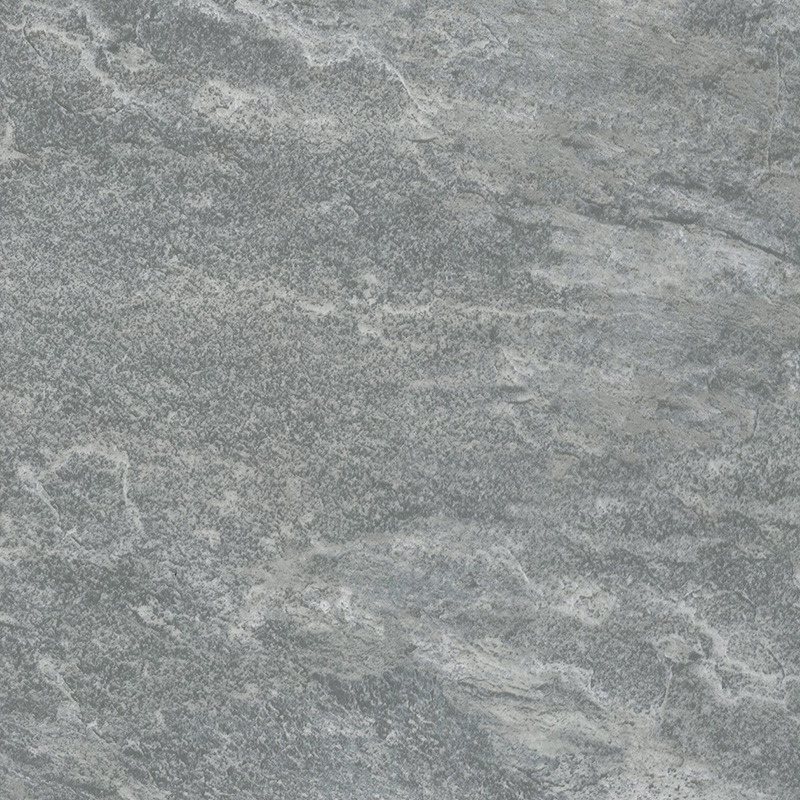
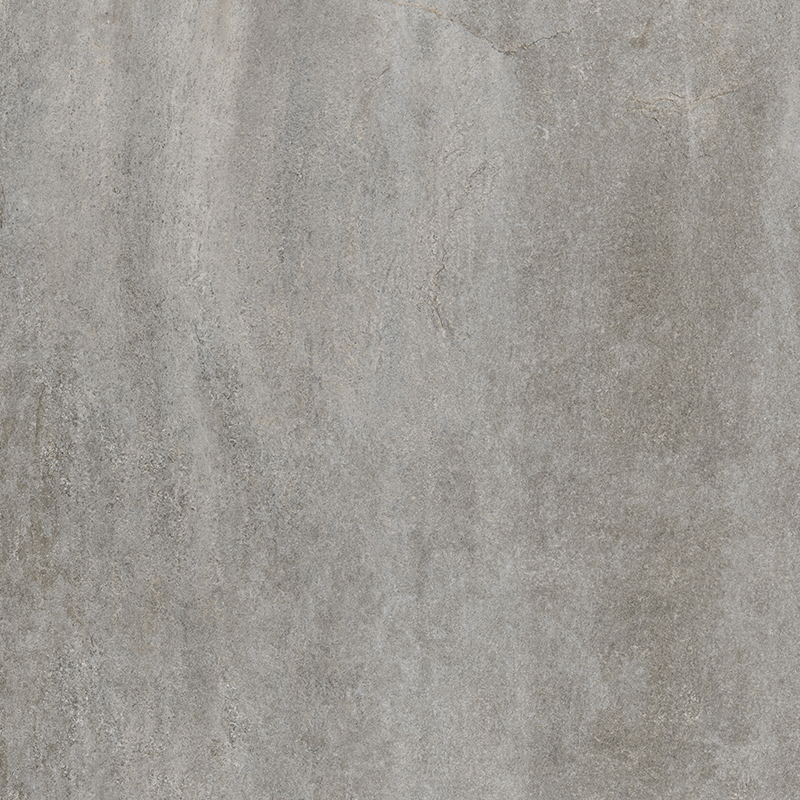
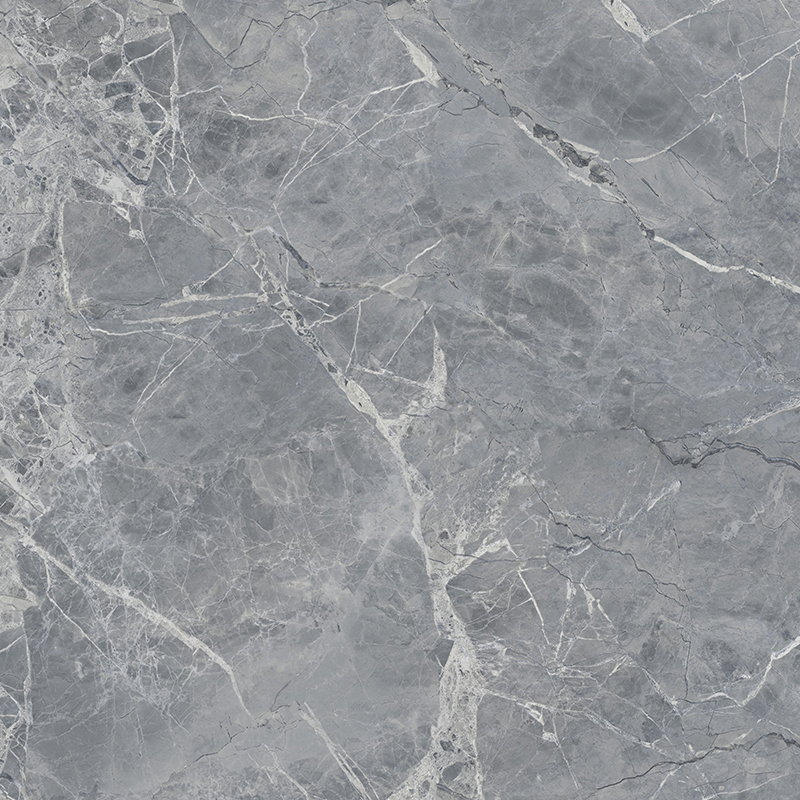
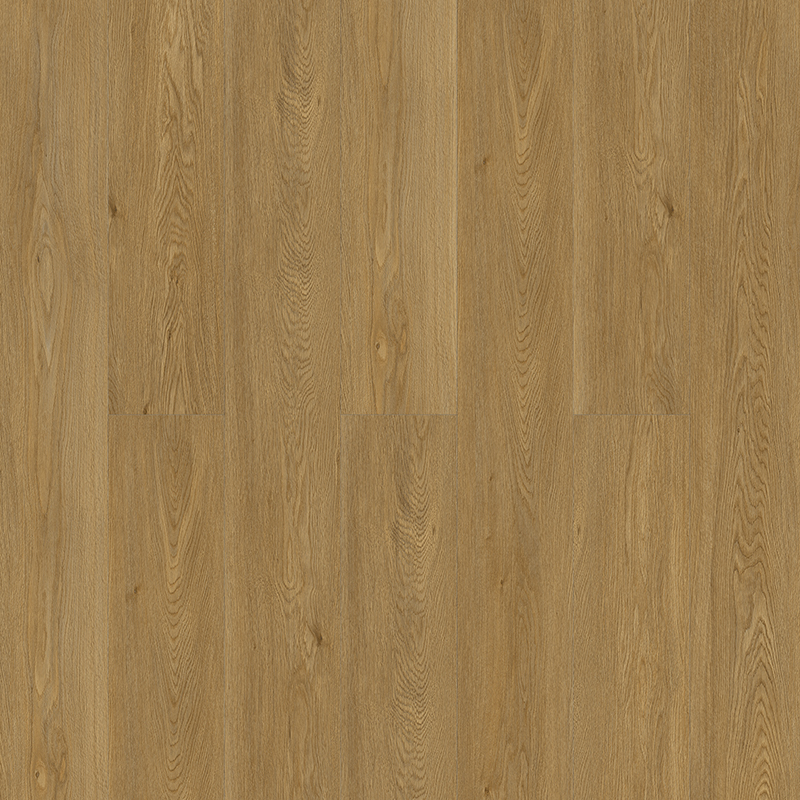
It also works well in quiet commercial spaces — hotel rooms, private offices, co-working quiet zones, and study areas all benefit from the built-in acoustic performance. The range of available surface patterns — from marble and quartzite tile textures to wood grains and slate — means the aesthetic can be matched to almost any interior direction. Browse the tile texture pattern options to see how realistic the print quality has become.
For those planning a full interior refresh, pairing EPC flooring with EPC wall panels creates a cohesive, low-maintenance surface system that covers both floor and wall in the same material family.
One Honest Limitation
EPC's foam core is its strength — and its constraint. The same softness that creates comfort makes it unsuitable for areas with sustained heavy point loads: heavy machinery, large server racks, or dense commercial shelving systems. If your project involves those conditions, SPC is the more appropriate choice. For everything else, EPC delivers a better all-round experience.
The Bottom Line
EPC Click Vinyl Plank Flooring occupies a distinct and genuinely useful position in the flooring market. It's lighter than SPC, warmer and quieter than most rigid-core formats, and easier to install than almost anything with comparable performance. For renovation projects where comfort, acoustics, and installation speed all matter — which describes most residential and light commercial work — it's a strong, practical choice backed by real structural advantages.




LET'S WORK TOGETHER
WELCOME TO JOIN!
-
+86-13616168066
-
[email protected]

-
+86-510-86525168
-
No.8 North Huanzhen Road, Mazhen,Xuxiake Town,Jiangyin City,Jiangsu Province,China
JOIN OUR MAILING LIST
Copyright © 2025 Jiangsu Herewin Environmental Technology Co., Ltd. All Rights Reserved. Vinyl Plank Flooring Manufacturers SPC Rigid Core Flooring Factory
