
 EN
EN
 English
 Español
 عربى
عربى 中文简体
中文简体

-
+86-13616168066

TEL:
-
+86-510-86525168

Fax:
-
No.8 North Huanzhen Road, Mazhen,Xuxiake Town,Jiangyin City,Jiangsu Province,China

Address:
Feel Free To Contact Us :
-
+86-13616168066
-
-

May. 21, 2026
Industry News
ABA Flooring Explained: Structure, Benefits & Buying Guide
Content
Most buyers comparing SPC flooring stop at thickness and price. They overlook the one structural decision that quietly determines long-term comfort, stability, and value: whether the floor uses a Basic, AB, or ABA construction. For spaces where performance actually matters, understanding ABA Structure Light SPC Flooring is worth five minutes of your time.
What Makes ABA Flooring Different from Standard SPC
SPC rigid core flooring comes in three structural types. The basic style is a single LVT sheet over an SPC core. The AB format adds a second LVT sheet below the core. ABA flooring takes it one step further — balancing matching vinyl layers both above and below the SPC core, creating a true symmetrical sandwich structure.
That symmetry is not decorative. When a floor has equal material on both sides of its core, internal stress cancels out rather than accumulates. The result is a plank that stays flatter under temperature swings, resists edge lift in wide-format sizes, and holds its shape over the long run. It is the same principle used in engineered timber construction — balance the tension, and the product lasts longer.
There is also a manufacturing distinction that matters: genuine ABA flooring is formed in a single high-temperature, high-pressure co-extrusion process. Post-laminated products that claim an ABA structure are fundamentally different — the bond between layers is weaker, and delamination risk is higher over time. Always ask whether a product is co-extruded or laminated before comparing specifications.
The Real Benefits of ABA Structure Light SPC Flooring
Dimensional stability is the headline advantage. Because the A layers balance each other across the core, ABA SPC flooring expands and contracts more evenly across temperature cycles — particularly useful in large open-plan rooms, long corridor runs, or climates with seasonal temperature variation. Buyers choosing wide planks (180–228 mm) benefit most from this stability.
Underfoot comfort is noticeably better than standard SPC. The vinyl layers on both surfaces add a degree of flex and warmth that a bare rigid core cannot replicate. This matters in residential settings where people stand for extended periods, and in spaces used by children, elderly residents, or anyone spending long hours on their feet.
Sound attenuation also improves. The layered construction absorbs impact energy at the surface before it reaches the rigid core, reducing footstep noise transmission — a practical advantage in apartments and multi-story buildings.
On the environmental side, quality ABA SPC flooring contains no formaldehyde, lead, benzene, or soluble volatiles. It is 100% waterproof, suitable for kitchens, bathrooms, and basements, and compatible with underfloor heating systems due to its reliable thermal conductivity. Look for products certified by international bodies such as SGS or BV to confirm these claims are backed by third-party testing.
Who Should Actually Choose ABA SPC Flooring
ABA flooring is not universally necessary — but for the right projects, it earns its premium clearly.
| Space Type | Key Demand | ABA Advantage |
|---|---|---|
| Residential apartments | Impact noise, comfort | Better sound absorption, softer underfoot |
| Homes with elderly or children | Safety, joint protection | Flexible elasticity reduces impact load |
| Large open-plan spaces | Plank stability, no edge lift | Symmetrical structure resists deformation |
| Hotels, nursing homes, clinics | Durability + comfort combined | Commercial-grade core with enhanced surface |
| Kitchens and bathrooms | Full waterproofing | 100% waterproof at all structural layers |
Standard SPC is a strong choice for budget-conscious projects with moderate foot traffic. ABA makes sense when you need extended service life, better acoustics, or a noticeably improved walking experience — particularly in spaces where people actually live and spend time, rather than just pass through.
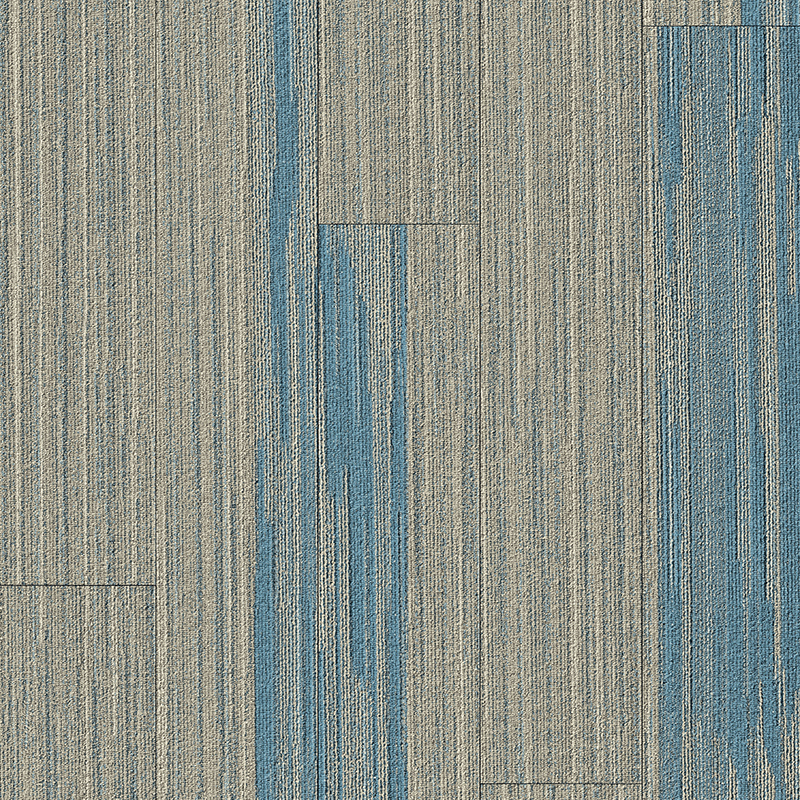
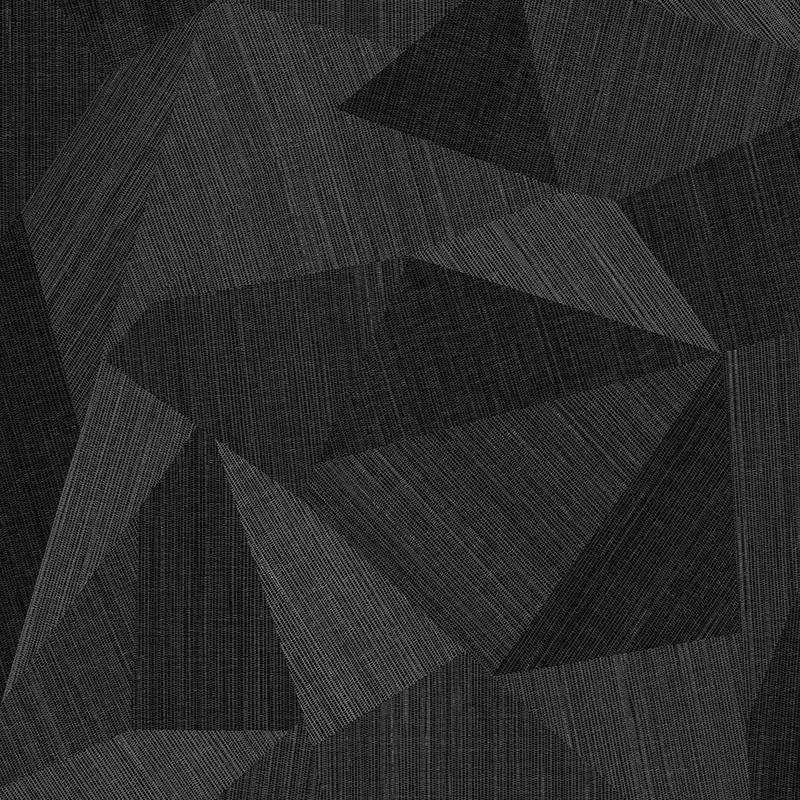
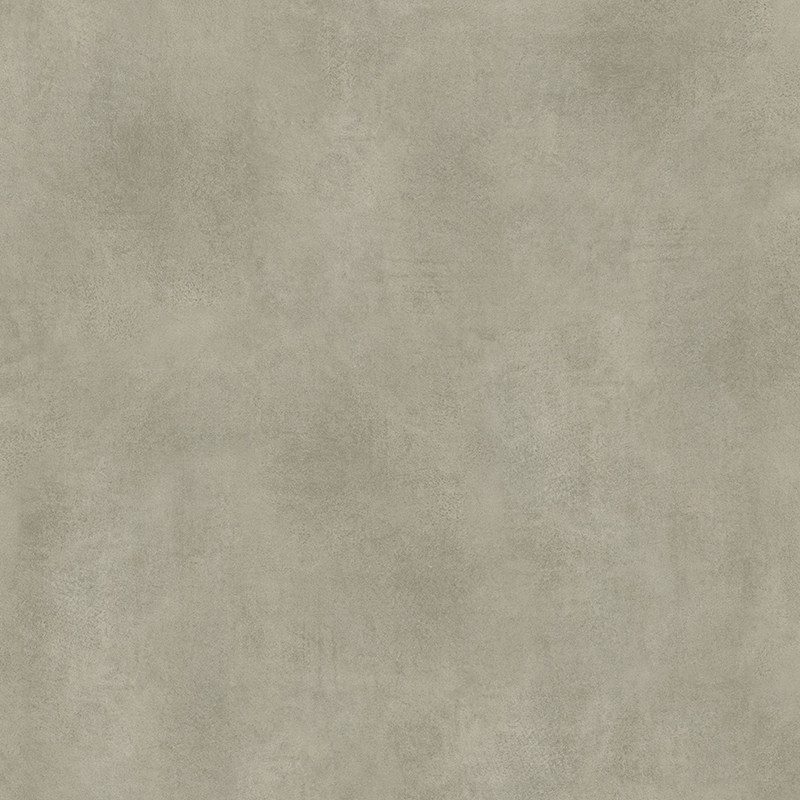
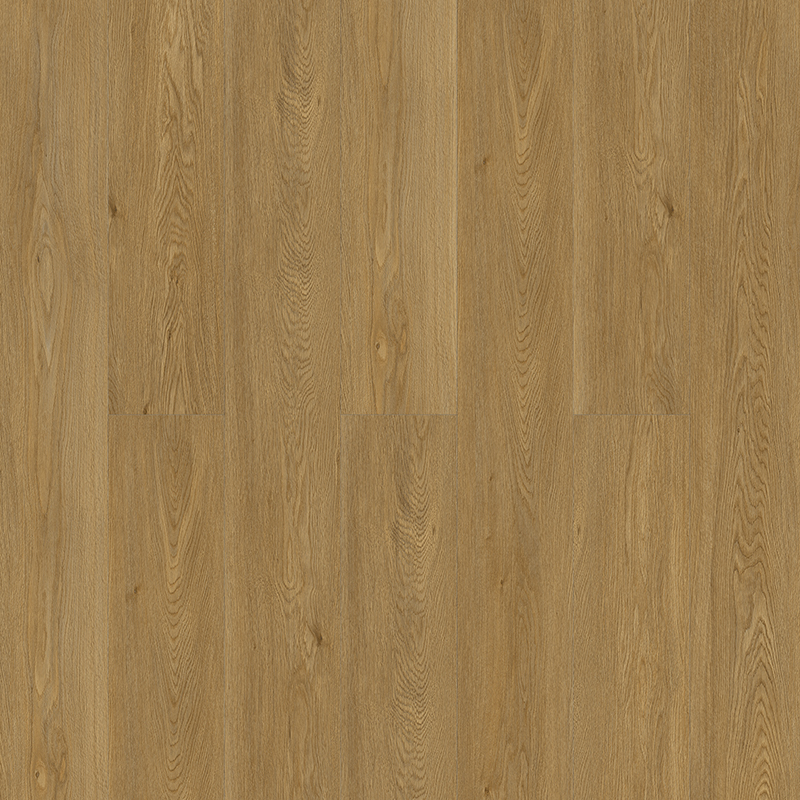
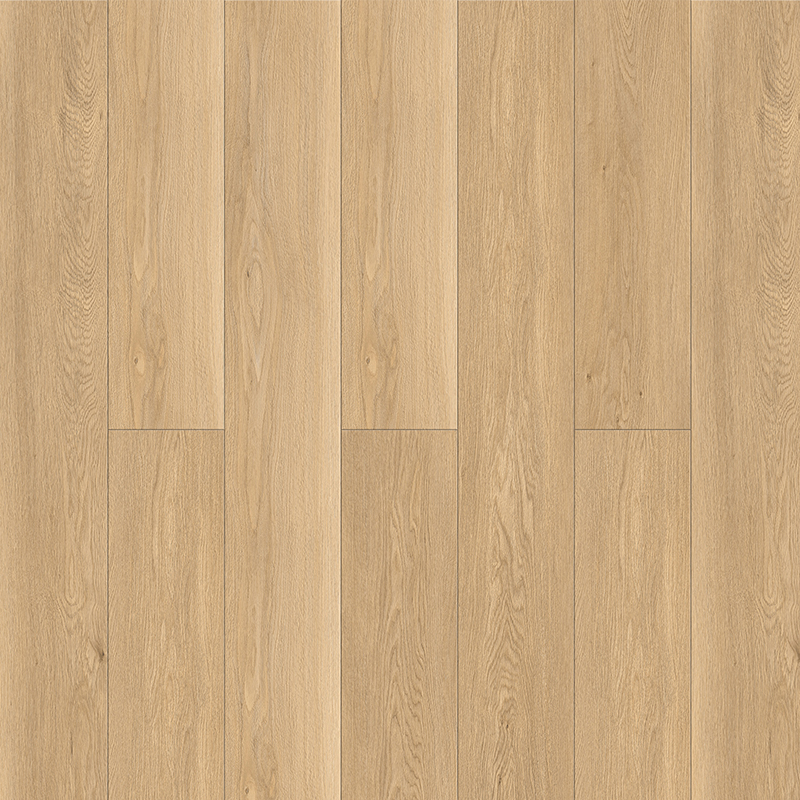
The ABA Structure Light SPC Flooring range also covers a wide variety of surface options — from carpet texture finishes that replicate textile warmth to wood-grain embossed patterns — making it compatible with both residential interior styles and commercial fit-out requirements.
Key Specs to Check Before You Buy
Specifications tell a more honest story than marketing language. Focus on these four:
- Total thickness: ABA products typically range from 5.5 mm to 8 mm. Thicker planks bridge minor subfloor imperfections more effectively and feel more substantial underfoot.
- Wear layer: The transparent top layer determines how long the floor resists scratching and abrasion. For residential use, 0.3–0.5 mm is standard; commercial environments benefit from 0.5 mm or above.
- Surface texture: BP embossing, brush texture, and EIR (Embossed in Register) offer different visual and tactile results. EIR aligns the texture precisely with the printed grain pattern — the most realistic finish available.
- Edge treatment: Micro-bevel, V-bevel, and painted-bevel edges each affect the installed look. Painted-bevel hides subfloor unevenness more forgivingly; V-bevel creates a more pronounced plank separation effect.
Plank dimensions also affect your project. Standard lengths run 1220–1800 mm; widths from 125–228 mm. Wider planks look more contemporary but require better subfloor preparation and benefit most from ABA's dimensional stability. Always confirm plank-to-plank dimensional tolerance with the supplier before ordering at scale — this is where manufacturing discipline separates reliable factories from inconsistent ones.
Installation Tips That Protect Your Investment
A well-made ABA SPC floor can still underperform on a poorly prepared subfloor. The most common on-site failures are subfloor unevenness and missing expansion gaps — neither is a product defect, but both generate callbacks.
Check subfloor flatness with a long straightedge before laying any planks. Grind high spots and fill low spots; most ABA click products tolerate up to 3 mm variation over 1.8 m, but tighter is always better. At walls, doorframes, and fixed objects, maintain a gap of at least 8–10 mm to allow for seasonal expansion — closing this gap is the single most common cause of edge buckle in sun-exposed rooms.
If the product includes an attached underlayment pad, do not stack an additional thick foam layer beneath it. Excessive compression increases joint movement and click fatigue over time, creating noise that is often misattributed to the flooring itself.
For maintenance: use a pH-neutral cleaner and avoid wax-based or "shine enhancing" products. These leave a film that reduces traction and attracts grit — exactly the abrasive agent that shortens wear layer life. Entry mats at exterior doors provide more practical protection than any coating upgrade.
The click-lock installation system on quality SPC flooring products is designed for straightforward floating installation without adhesive — but that ease depends on the subfloor being ready before the first plank goes down. Invest the preparation time upfront, and the floor will perform as specified for years.



LET'S WORK TOGETHER
WELCOME TO JOIN!
-
+86-13616168066
-
[email protected]

-
+86-510-86525168
-
No.8 North Huanzhen Road, Mazhen,Xuxiake Town,Jiangyin City,Jiangsu Province,China
JOIN OUR MAILING LIST
Copyright © 2025 Jiangsu Herewin Environmental Technology Co., Ltd. All Rights Reserved. Vinyl Plank Flooring Manufacturers SPC Rigid Core Flooring Factory
