
 EN
EN
 English
 Español
 عربى
عربى 中文简体
中文简体

-
+86-13616168066

TEL:
-
+86-510-86525168

Fax:
-
No.8 North Huanzhen Road, Mazhen,Xuxiake Town,Jiangyin City,Jiangsu Province,China

Address:
Feel Free To Contact Us :
-
+86-13616168066
-
-

May. 15, 2026
Industry News
EPC Flooring Explained: What It Is, How It Works, and When to Choose It
Content
Most flooring buyers compare SPC and WPC, skip EPC entirely, then wonder why their renovation feels heavier, louder, or colder underfoot than expected. EPC — Expanded Plastic Composite — fills a specific gap that neither of its siblings can. Here's what it actually is, who it's built for, and when it outperforms the alternatives.
What Is EPC Flooring?
EPC stands for Expanded Plastic Composite. Its defining feature is a foamed substrate core — a layer that's been expanded during manufacturing to introduce micro air pockets into the structure. The result is a rigid-core vinyl plank that weighs significantly less than SPC, retains heat more effectively, and absorbs footfall sound without requiring a thick separate underlayment.
The multi-layer construction typically includes a UV-cured wear layer, a printed decorative film, the foamed EPC core, and an integrated acoustic backing. Every layer serves a measurable function: the wear layer handles abrasion and staining; the core handles structural stability and thermal comfort; the backing handles noise.
EPC Click Vinyl Plank Flooring uses 100% virgin vinyl throughout and is FloorScore certified, confirming that VOC emissions meet California Section 01350 — one of the most stringent indoor air quality benchmarks in the world.
EPC vs. SPC: The Practical Differences
SPC (Stone Plastic Composite) is the dominant rigid-core format. Its limestone-filled core is dense, dimensionally stable, and suited to high-load commercial environments. But that density comes with tradeoffs most spec sheets gloss over.
| Attribute | EPC Flooring | SPC Flooring |
|---|---|---|
| Core Material | Foamed expanded polymer | Limestone + PVC composite |
| Weight | Lightweight | Heavier |
| Underfoot Feel | Warm, cushioned | Hard, cool |
| Sound Insulation | Excellent (IIC/STC rated) | Moderate |
| Thermal Retention | Strong | Weak |
| Underfloor Heating | Highly compatible | Compatible, less efficient |
| High-Load Areas | Not recommended | Well-suited |
The practical implication: if you're renovating a bedroom, home office, study, or any space where you spend extended time standing or sitting, EPC's thermal and acoustic profile matters more than SPC's load capacity. For warehouses, retail floors with heavy shelving, or industrial settings, SPC remains the right call. If you need a direct comparison of rigid-core options, the full vinyl flooring product line covers both formats side by side.
Who Should Choose EPC Click Vinyl Plank Flooring
EPC's foamed core makes it the better choice in four specific scenarios.
Renovation over existing subfloors. Because EPC is lightweight and the click-lock mechanism requires no adhesive, it imposes minimal stress on older subfloor structures. A full room can be floated over minor surface irregularities without grinding or leveling compound.
Underfloor heating systems. The foamed core's thermal retention means heat from radiant systems reaches the surface more efficiently and dissipates more slowly than with denser cores. This reduces energy use and improves comfort consistency across the floor.
Multi-story residential and commercial buildings. EPC panels typically meet international building code requirements for both IIC (Impact Insulation Class) and STC (Sound Transmission Class), making them a practical choice anywhere footfall noise between floors is a concern — apartments, hotels, offices above occupied spaces.
Spaces prioritizing indoor environment quality. Virgin vinyl construction combined with FloorScore certification means EPC flooring won't introduce measurable VOC emissions into the air after installation. For bedrooms, children's rooms, or clinics, that matters more than it does in a utility corridor.
Available Finishes and Textures
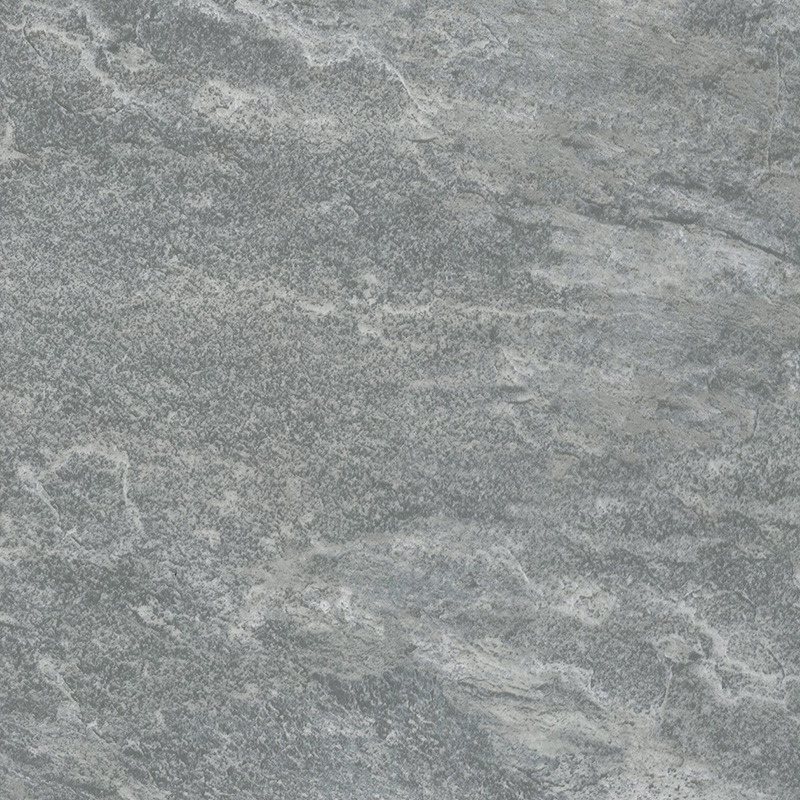
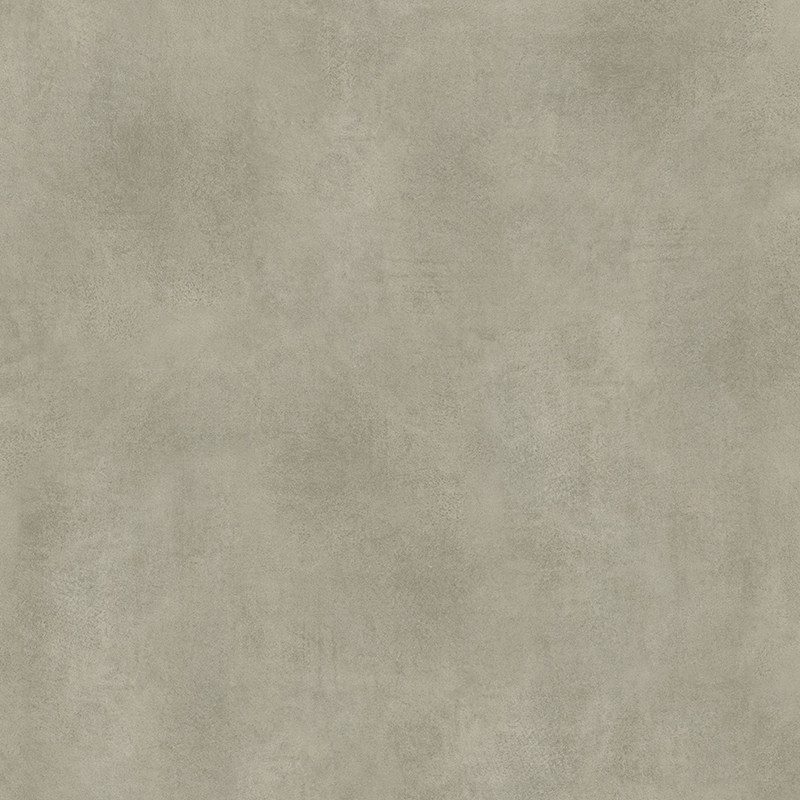
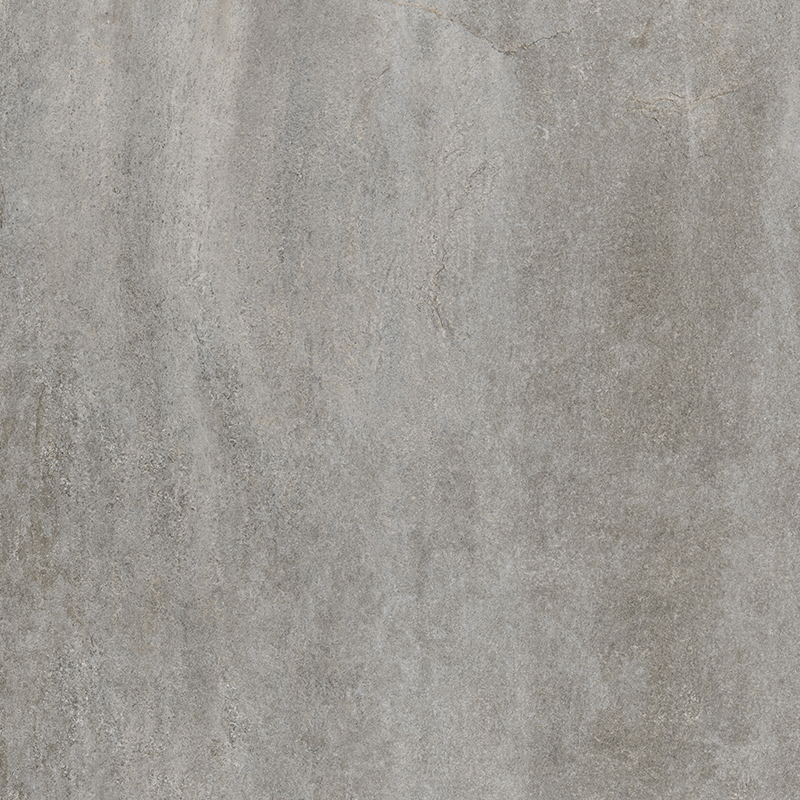
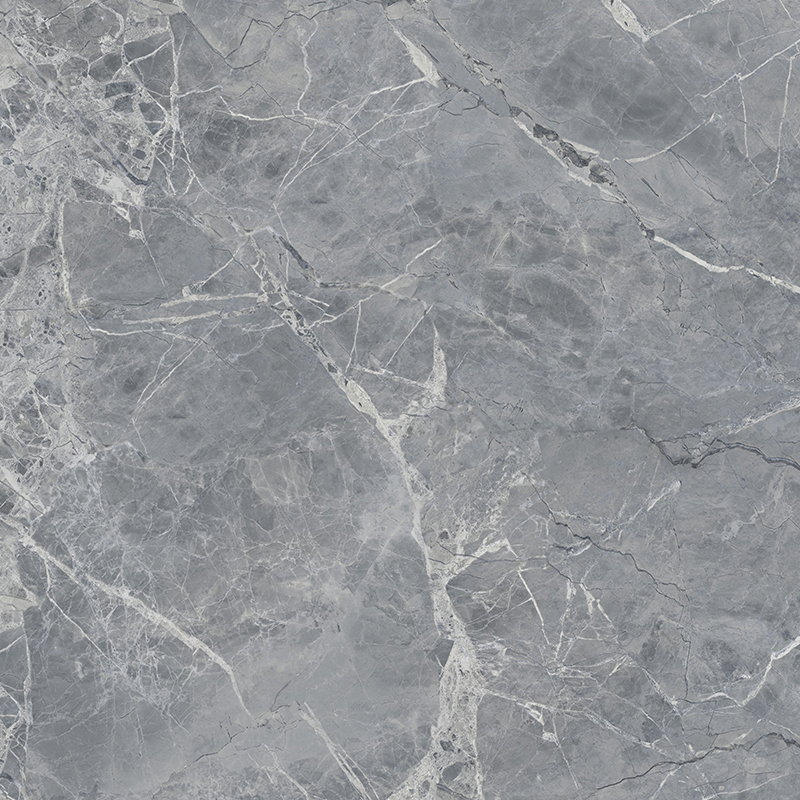
EPC Click Vinyl Plank is available in tile and plank formats. The current range includes marble-look tile textures — white-veined dark grey, grey quartzite, and grey slate-style — as well as cement and neutral stone finishes. The decorative layer uses high-resolution printing with realistic surface embossing. For stone and tile looks specifically, the tile texture pattern collection shows the full visual range available across EPC and SPC substrates.
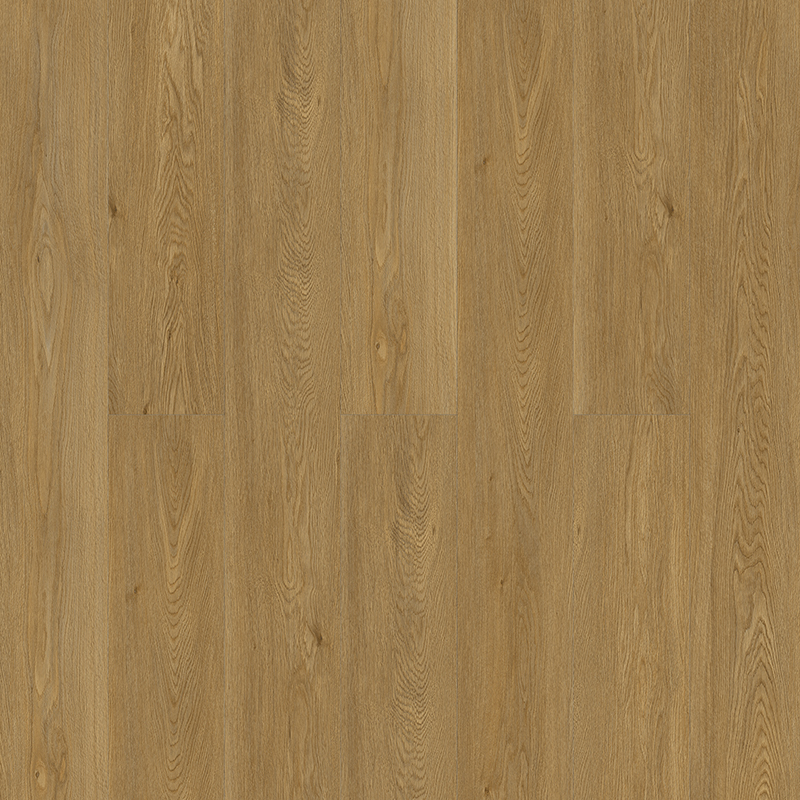
For spaces where matching a wood-grain floor elsewhere in the property matters, the Embossed In Register (EIR) pattern options align surface texture with the printed grain for a more convincing tactile result than standard rotogravure embossing.
Installation: What the Click System Actually Means
EPC Click Vinyl Plank uses a tongue-and-groove locking profile that snaps planks or tiles together horizontally without adhesive. The process requires a clean, reasonably level subfloor (concrete, existing hard flooring, or plywood), a 10mm expansion gap at perimeter walls, and standard flooring spacers during installation.
No adhesive means no off-gassing from glue, no cure time, and no permanent bond — the floor can be removed and reinstalled if you relocate. Full rooms are typically completed in a single session. A step-by-step walkthrough for click vinyl installation without professional help is covered in the DIY click vinyl installation guide.
One note on subfloor prep: while EPC performs better than SPC over minor imperfections due to its softer backing, significant dips or high spots greater than 3mm over 1.8m should still be leveled. The click joint will bear stress on uneven surfaces and can crack over time.
Maintenance and Longevity
The UV-cured urethane wear layer with ceramic bead coating resists scuffs, stains, and everyday abrasion. Routine care is straightforward: dry-mop or vacuum daily to remove grit, which causes micro-scratches over time; damp-mop weekly with a pH-neutral, low-VOC cleaner. Avoid steam mops — sustained high heat can stress the click joints. Avoid wax or surface-treatment products; they build up on the urethane layer and attract dirt.
The flooring is 100% waterproof through the core, so surface spills pose no risk. The practical limitation is the perimeter: water that seeps under the expansion gap can reach the subfloor. Keep transitions and thresholds properly sealed.
Because EPC's foamed core is softer than SPC, it should not be installed in areas subject to heavy point loads — pallet jacks, industrial equipment, or furniture with narrow feet and no felt pads. In normal residential and commercial light-use environments, the wear layer and core combination supports long-term durability.



LET'S WORK TOGETHER
WELCOME TO JOIN!
-
+86-13616168066
-
[email protected]

-
+86-510-86525168
-
No.8 North Huanzhen Road, Mazhen,Xuxiake Town,Jiangyin City,Jiangsu Province,China
JOIN OUR MAILING LIST
Copyright © 2025 Jiangsu Herewin Environmental Technology Co., Ltd. All Rights Reserved. Vinyl Plank Flooring Manufacturers SPC Rigid Core Flooring Factory
