
 EN
EN
 English
 Español
 عربى
عربى 中文简体
中文简体

-
+86-13616168066

TEL:
-
+86-510-86525168

Fax:
-
No.8 North Huanzhen Road, Mazhen,Xuxiake Town,Jiangyin City,Jiangsu Province,China

Address:
Feel Free To Contact Us :
-
+86-13616168066
-
-

Jul. 31, 2026
Industry News
SPC Wall Panels Guide: Benefits, Installation & Buying Tips
Content
- 1 What Exactly Are SPC Wall Panels?
- 2 Key Advantages Homeowners and Contractors Should Know
- 3 SPC Wall Panels vs. Traditional Materials: A Performance Breakdown
- 4 How to Select High-Quality SPC Wall Panels
- 5 Installation Best Practices That Protect Your Investment
- 6 SPC Wall Panels in Different Applications
- 7 Cost and Long-Term Value
- 8 Common Misconceptions About SPC Wall Panels
- 9 SPC Wall Panel Maintenance: What You Need to Do (and What You Don’t)
When a hotel renovation requires waterproof wall finishes that can be installed overnight without shutting down guest floors, specifiers rarely choose ceramic tile or traditional drywall anymore. The go-to solution has become SPC wall panels—Stone Plastic Composite panels that deliver moisture resistance, impact durability, and a clean, modern look without the mess or cure time of wet trades. For anyone evaluating interior wall materials, SPC panels represent a measurable upgrade over conventional options in almost every performance category.
What Exactly Are SPC Wall Panels?
SPC wall panels consist of a rigid core made from a blend of limestone (calcium carbonate), polyvinyl chloride, and stabilizers. This core gives the panel its signature strength and dimensional stability. The decorative layer on top is a high-definition printed film that realistically mimics wood, stone, concrete, or textile textures, protected by a transparent wear layer. The entire structure is pressed under extreme heat and pressure, creating a thin but incredibly dense board that is fully waterproof from core to surface.
Unlike WPC (Wood Plastic Composite) panels that use a foamed core with wood flour, SPC’s stone-based core does not absorb moisture, expand, or warp even in full-submersion conditions. That makes it ideal for bathrooms, laundry rooms, basements, and commercial kitchens. The click-lock profile on most SPC wall panels further enables glue-free floating installation, cutting labor time by half compared to tile or traditional wall cladding.
Key Advantages Homeowners and Contractors Should Know
Complete Waterproof Performance
SPC panels are impervious to water. The solid limestone core means zero swelling or mold growth even after prolonged moisture exposure. This eliminates the common failure points of laminate wainscoting or painted drywall in humid zones. You can install them directly onto shower walls, behind sinks, or in steam-prone laundry rooms without additional waterproofing membranes.
Exceptional Durability and Scratch Resistance
The wear layer on quality SPC wall panels typically ranges from 0.3 mm to 0.5 mm thick, providing strong resistance to scuffs, impacts, and daily wear. In commercial settings such as retail stores or hotel corridors, this translates to a wall surface that looks new for years without the need for repainting. A well-made SPC panel handles chair bumps, luggage scrapes, and cleaning chemicals far better than painted drywall or PVC panels.
Fast, Low-Mess Installation
Contractors value SPC wall panels because they reduce construction timelines. The click-lock system allows direct installation over existing surfaces like drywall, plywood, or even old ceramic tile, as long as the substrate is flat and clean. There is no grout, no drying time, and very little dust. A two-person team can often finish a 100-square-foot accent wall in under three hours. For DIY homeowners, the learning curve is gentle compared to tiling or plastering.
Low Maintenance and Hygienic
SPC panels do not need sealing, waxing, or special cleaners. Spills, soap scum, and splatters wipe off with a damp cloth or mild detergent. Their non-porous surface also resists bacteria and stains, making them a practical choice for kitchens, clinics, and childcare facilities.
SPC Wall Panels vs. Traditional Materials: A Performance Breakdown
When clients ask whether SPC is worth the slightly higher upfront cost compared to drywall or basic PVC, the answer lies in long-term performance and avoided renovations. The table below outlines how SPC stacks up against the most common wall finishes.
| Material | Waterproof | Durability | Installation Speed | Avg. Cost per Sq Ft |
|---|---|---|---|---|
| SPC Wall Panel | 100% waterproof | High (scratch, impact) | Fast, click-lock | $3 – $8 |
| Drywall (painted) | No | Low, easily damaged | Slow (mud, paint, dry) | $1 – $3 |
| Ceramic Tile | Yes, but grout absorbs | High (but grout cracks) | Very slow, skilled labor | $5 – $15 |
| PVC Wall Panels | Waterproof | Low to moderate | Fast, glue or nail | $1.50 – $4 |
| WPC Wall Panels | Waterproof surface but core may swell | Moderate | Fast, click-lock | $2.50 – $6 |
The data shows that while drywall is cheaper upfront, it fails in moisture-prone areas. Ceramic tile offers superb durability but demands high labor costs and ongoing grout maintenance. SPC wall panels sit at the sweet spot: waterproof, durable, and installable without specialized trades.
How to Select High-Quality SPC Wall Panels
Not all SPC panels are created equal. Manufacturing variances in core density, wear layer thickness, and locking profiles directly affect longevity and appearance. Use these criteria when sourcing panels for a project:
Core Thickness and Composition
A reliable SPC wall panel should have a total thickness between 4 mm and 6 mm. Thinner panels may flex or telegraph substrate imperfections, while thickness above 6 mm adds unnecessary weight without performance gains. Ask for the density specification; a core density of around 2.0 g/cm³ is typical for quality panels and indicates high limestone content.
Wear Layer Grade
For residential accent walls, a 0.3 mm wear layer suffices. Commercial applications or high-traffic corridors benefit from 0.5 mm or higher. This clear layer is what shields the decorative print from fading, scratching, and chemical cleaners. A wear layer below 0.2 mm often leads to premature visible wear, especially in commercial settings.
Click-Lock Integrity
The locking system must provide tight seams that stay closed after installation. Less expensive panels may use basic drop-and-lock profiles that can separate over time. Premium SPC wall panels use an angle-angle click system that creates a mechanical lock resistant to movement and humidity. Inspect sample joints for uniform fit and flatness.
Certifications and Safety
For indoor air quality, look for FloorScore or GREENGUARD certification, which verifies low VOC emissions. Panels intended for wall use should also meet a minimum Class B fire rating under ASTM E84. Reputable manufacturers will provide full technical data sheets on request.
Installation Best Practices That Protect Your Investment
Installing SPC wall panels follows a similar logic to floating floors, but with vertical considerations. The following steps help avoid the most common callbacks.
First, ensure the substrate is flat to within 3/16 inch over a 10-foot span. SPC panels are rigid and will not hide significant undulations; they may even unlock if forced over a bump. Use a self-leveling compound over concrete or fill low spots on drywall.
Second, acclimatize panels in the installation space for 24 to 48 hours. This stabilizes the core temperature and prevents minor expansion or contraction after fitting.
Third, decide on orientation. For a standard 8-foot wall, vertical installation with full-height panels creates a seamless look. Horizontal layouts can visually widen a narrow room. Leave a ¼-inch expansion gap around the perimeter, which baseboards or trim will cover.
Finally, use the manufacturer’s recommended tapping block and pull bar to seat the click-lock joints without damaging the locking edge. Never hammer directly on the panel surface.
SPC Wall Panels in Different Applications
SPC wall panels thrive in environments where moisture, impact, and cleanability matter. Bathrooms and shower enclosures are the most obvious fits, as they replace both tile and backer board in one step. In basements, panels resist the dampness and cool temperatures that ruin drywall and encourage mold.
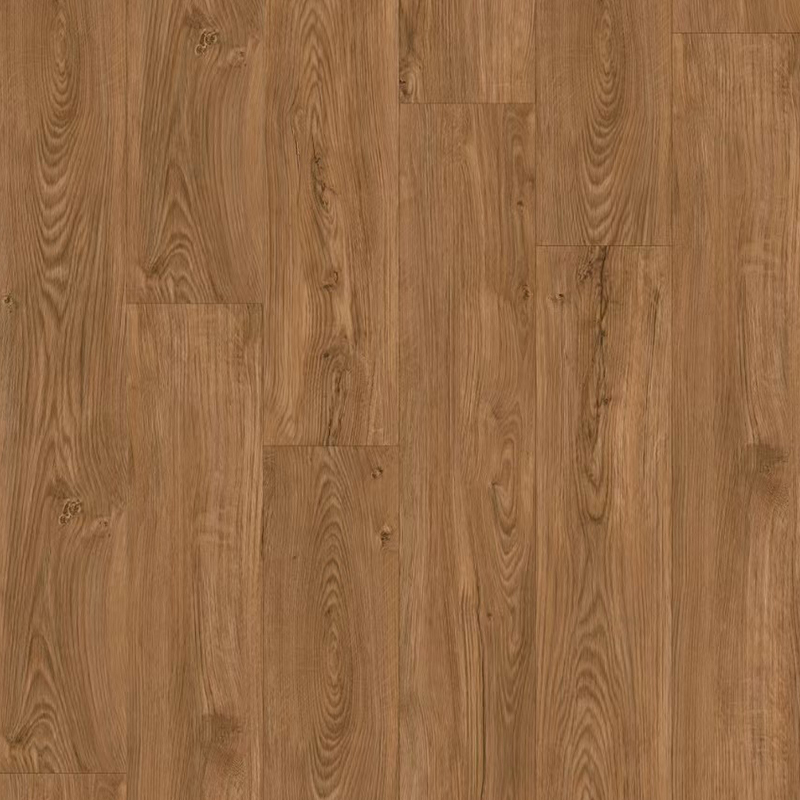
Commercial settings such as hotel lobbies, restaurants, and medical offices benefit from the fast renovation turnaround and low-maintenance surface. For retail store fitting rooms, panels withstand repeated contact with hangers and carts without chipping. Residential accent walls in living rooms and bedrooms add texture and warmth, often with wood-look designs indistinguishable from real timber at a fraction of the cost.
Cost and Long-Term Value
Material prices for SPC wall panels typically range from $3 to $8 per square foot, depending on wear layer thickness, design complexity, and brand. Installation labor adds $2 to $4 per square foot when hired out, though many handy homeowners opt for DIY to cut that cost entirely. While the upfront expense runs higher than painted drywall, the total cost of ownership over ten years nearly always favors SPC. There is no repainting, no grout sealing, and no replacement due to moisture damage or dents. When you factor in avoided renovations, the lifecycle cost of a properly installed SPC wall is equal to or lower than tile and far superior to drywall.
Common Misconceptions About SPC Wall Panels
Some contractors still believe SPC panels are flimsy “plastic” coverings. In reality, the high-density stone core provides rigidity comparable to cement board but at a fraction of the weight. Another myth is that the click-lock edges cannot handle wall loads. While you should not hang heavy cabinets directly on floating panels, typical wall-mounted items like mirrors, lightweight shelving, and towel bars can be anchored through the panel into the studs using appropriate fasteners. The panel itself can support modest static loads without issue.
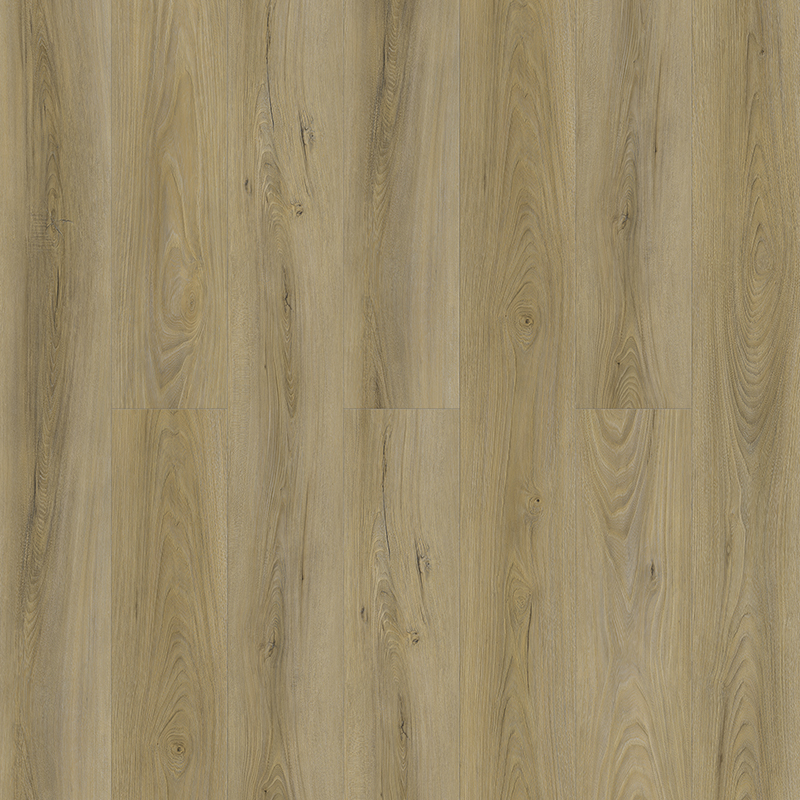
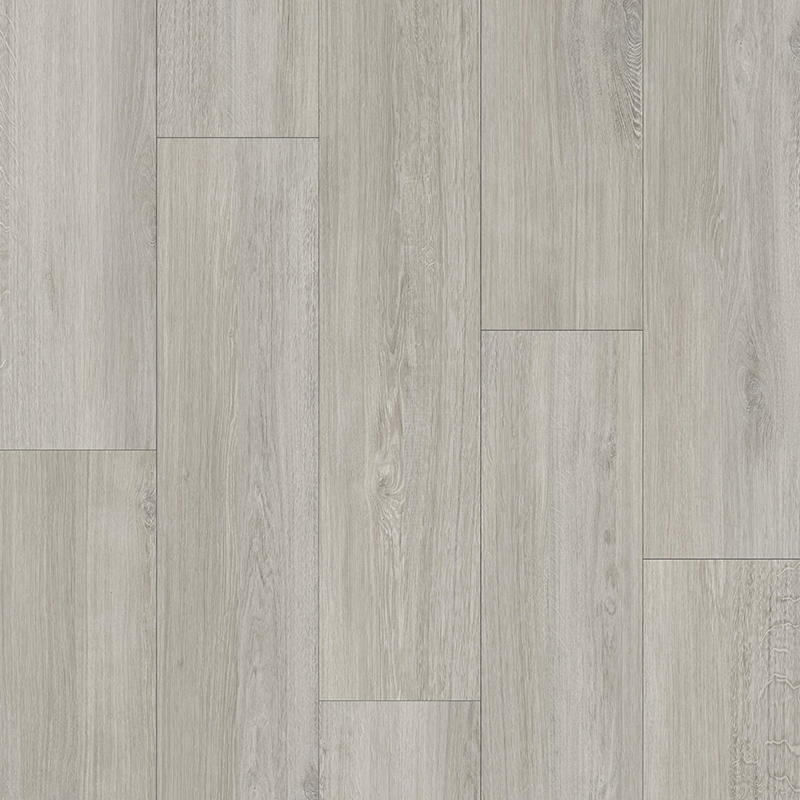
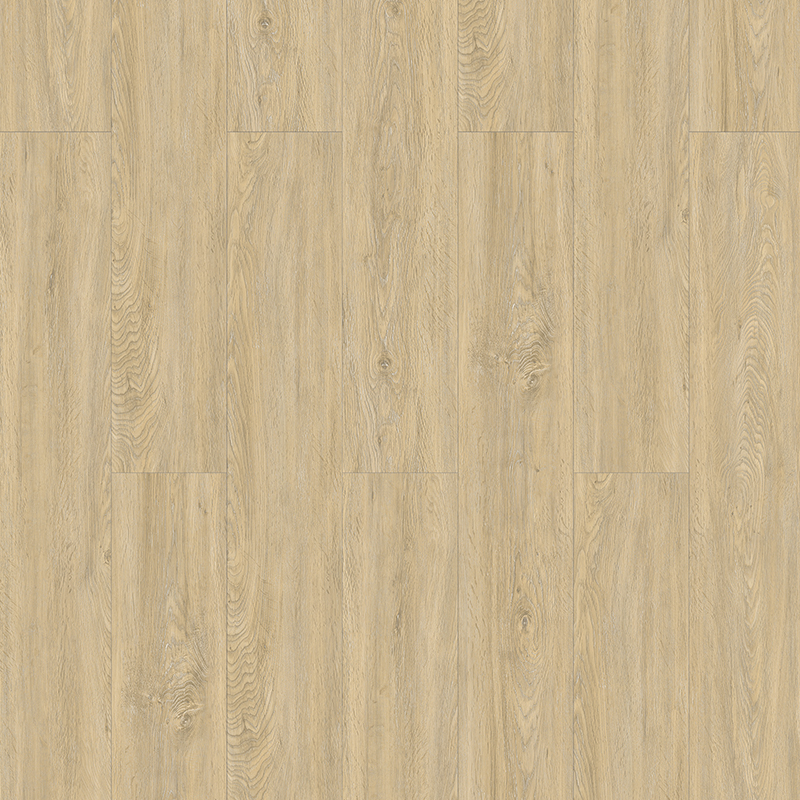
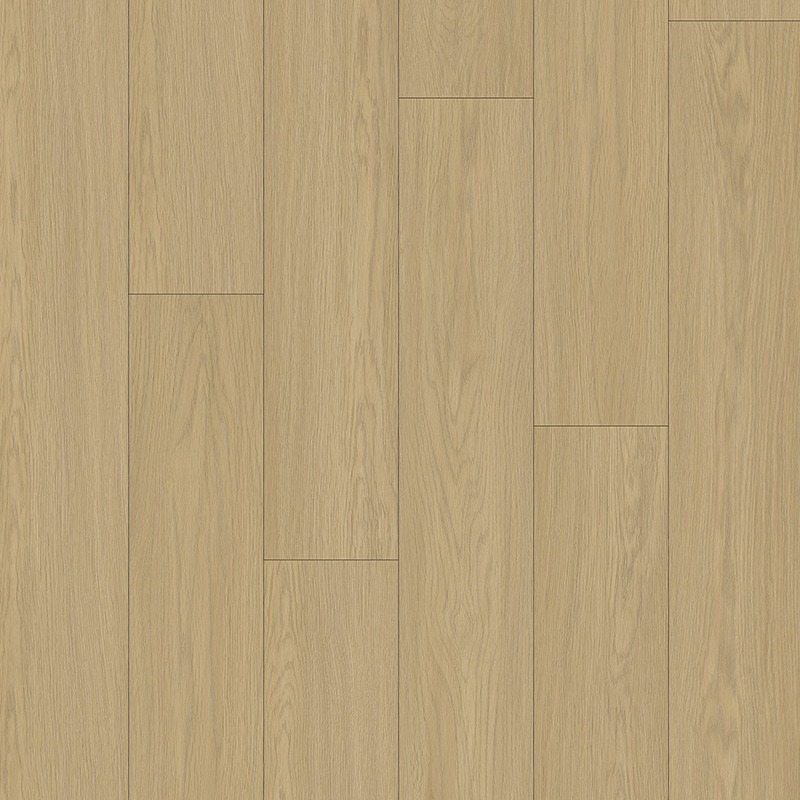
A third misconception is limited design choice. Modern SPC manufacturing uses high-definition digital printing that replicates natural materials with realistic embossing and color variation. From matte concrete to weathered barn wood, the aesthetic range now rivals that of porcelain tile or wallpaper.
SPC Wall Panel Maintenance: What You Need to Do (and What You Don’t)
Daily maintenance amounts to dry dusting or wiping with a damp microfiber cloth. For deeper cleaning, a pH-neutral cleaner diluted with water works without leaving streaks or damaging the wear layer. Avoid abrasive scrub pads, bleach, or wax-based polishes, which can dull the surface over time. Unlike tile, there are no grout lines to scrub or seal. A quality SPC wall will stay serviceable for 15 to 20 years under normal residential use, and replacement is straightforward because individual damaged planks can often be unlocked and swapped out without tearing down the entire wall.



LET'S WORK TOGETHER
WELCOME TO JOIN!
-
+86-13616168066
-
[email protected]

-
+86-510-86525168
-
No.8 North Huanzhen Road, Mazhen,Xuxiake Town,Jiangyin City,Jiangsu Province,China
JOIN OUR MAILING LIST
Copyright © 2025 Jiangsu Herewin Environmental Technology Co., Ltd. All Rights Reserved. Vinyl Plank Flooring Manufacturers SPC Rigid Core Flooring Factory
