
 EN
EN
 English
 Español
 عربى
عربى 中文简体
中文简体

-
+86-13616168066

TEL:
-
+86-510-86525168

Fax:
-
No.8 North Huanzhen Road, Mazhen,Xuxiake Town,Jiangyin City,Jiangsu Province,China

Address:
Feel Free To Contact Us :
-
+86-13616168066
-
-

Aug. 07, 2026
Industry News
Ultra-Quiet Floors: How Modern Click Vinyl Cuts Noise at Home
Content
- 1 What Makes a Floor Truly Ultra-Quiet
- 2 How Floor Noise Is Measured and Why It Matters
- 3 Where Ultra-Quiet Flooring Helps Most
- 4 The Structural Details Behind a Quieter Step
- 5 Oak-Look Styles Designed for Quiet Interiors
- 6 Installation Considerations for the Best Acoustic Result
- 7 Choosing an Ultra-Quiet Floor With Confidence
On the top floor of a townhouse, footsteps, dropped toys and the thud of a wardrobe door can turn the living room below into the least relaxing room in the house. Noise travels efficiently through hard floors, and the building structure carries every impact downward into the space underneath. The problem is practical, not cosmetic: when impact sound passes through the floor slab, it disturbs sleep, interrupts calls and creates tension between neighbours who share a ceiling.
An ultra-quiet floor solves this at the source. Instead of relying on heavy underlayment or covering the room with carpet, it uses a floating click vinyl plank with a dense rigid core and a sound-dampening backing fused to the underside. Impact noise is absorbed close to where it happens, so the rooms below stay noticeably calmer. You keep the waterproof durability of vinyl, gain a solid feel underfoot, and remove one of the most common causes of household noise complaints, all with a single flooring system.
What Makes a Floor Truly Ultra-Quiet
An ultra-quiet floor is a layered construction, not a single material. At the top, a transparent wear layer protects against scratches, stains and daily traffic. Beneath it, a printed decorative film recreates the look of natural wood. The middle layer, usually a dense polymer core, provides rigidity and anchors the click locking system. On the underside, an attached cushioning layer absorbs vibration, and this is where acoustic performance is largely won or lost.
The noise produced by walking, jumping or dropping an object on a floor is called impact noise. A hard surface transmits most of that energy directly into the subfloor, which is why a tiled floor on an upper level makes the room below feel noisy. A floor with a sound-dampening backing absorbs part of that energy before it can travel into the building structure. That is the defining difference between an ordinary rigid vinyl plank and an ultra-quiet one: the same durable surface, but with a construction designed to stop vibration at the plank itself.
How Floor Noise Is Measured and Why It Matters
Acoustic performance of flooring assemblies is usually described by two ratings. The Impact Insulation Class (IIC) measures how well a floor reduces impact noise such as footsteps and dropped objects. The Sound Transmission Class (STC) measures how well the assembly blocks airborne sound such as voices or a television. For rooms below a living space, especially bedrooms and home offices, both ratings matter, but impact noise is the one most influenced by the floor covering itself. Higher IIC values indicate better impact isolation, so they deserve the most attention when you compare floors for an upper level.
| Factor | How it affects sound | What to check before buying |
|---|---|---|
| Core density | A stable core supports the locking system but can transmit vibration if it has no backing layer. | Look for a dense core paired with an attached acoustic backing, not a core alone. |
| Backing layer | The attached cushion absorbs impact energy and stops it reaching the subfloor. | Confirm that the sound-dampening layer is bonded to the plank during manufacturing. |
| Joint tightness | Weak or loose joints allow vertical movement, which produces creaks and rattles. | Test the click system on a sample and inspect the joint fit before purchase. |
| Surface texture | An embossed texture does not directly reduce sound, but it improves comfort and perceived quality. | Ask about embossed-in-register (EIR) finishes for a realistic wood feel. |
| Subfloor condition | An uneven subfloor creates hollow spots and squeaks underfoot. | Level and clean the subfloor before installation, and verify flatness. |
Ratings describe a complete assembly: the floor covering, the underlayment and the subfloor all contribute to the final number. When comparing products, ask the supplier for the test conditions behind the acoustic data and check whether the measurement used a subfloor similar to your own project.
Where Ultra-Quiet Flooring Helps Most
The value of a quiet floor depends on the building. The clearest cases are also the most common:
- Apartments and condominiums, where neighbours living below hear every step.
- Two-storey houses, where bedrooms sit directly above living areas.
- Home offices and media rooms, where ambient noise breaks concentration.
- Nurseries and children's play areas, where active play is constant.
- Homes with elderly residents, where undisturbed sleep is especially important.
Location matters within the same home too. A floor above a garage, a home theatre or a baby's room deserves more acoustic attention than a ground-floor hallway that nobody walks beneath. And quiet flooring is not limited to bedrooms: the same rigid-core click construction that reduces impact noise also provides waterproofing and scratch resistance, so an ultra-quiet floor works just as well in kitchens, hallways and bathrooms. The acoustic benefit does not come at the cost of durability.
The Structural Details Behind a Quieter Step
Two floors can look identical and perform very differently in a real room. The differences sit in the core, the backing, the surface finish and the locking system, and each one affects how much sound reaches the floor below.
Core Material and Plank Thickness
Thicker planks generally feel more stable underfoot, but thickness alone is not a reliable indicator of quietness. A plank with a premium backing can outperform a thicker plank without one. What matters is the combination: the core provides rigidity for the locking mechanism and prevents excessive flex, while the backing absorbs the vibration created by impacts. Compare the whole construction rather than a single specification.
The Attached Sound-Dampening Backing
The backing is the foundation of quiet performance. When it is physically bonded to the plank during manufacturing, it stays in place for the life of the floor, unlike a loose underlayment that can shift, compress unevenly or develop gaps. An attached backing also simplifies installation: the floor is one complete system, so there are no separate rolls of underlayment to cut, tape or align on site.
Embossed-in-Register Texture and Surface Quality
Embossed-in-register (EIR) is a manufacturing process in which the surface texture is aligned exactly with the printed grain pattern, so each wood knot and grain line has a matching tactile groove. The result looks and feels convincingly like natural wood. EIR is primarily a comfort and appearance feature rather than an acoustic one, but it is one of the details that separates a well-made floor from a generic product. You can compare the available textures in the embossed-in-register surface options on the site.
Tight Click Joints
Creaking floors are almost always caused by movement at the joints. A click locking system that holds adjacent planks tightly under tension prevents vertical play, which eliminates most squeaks and rattles. During installation, tapping each plank fully into place and keeping rows straight is essential, because a small gap at one joint can widen and become a permanent weakness.
Oak-Look Styles Designed for Quiet Interiors
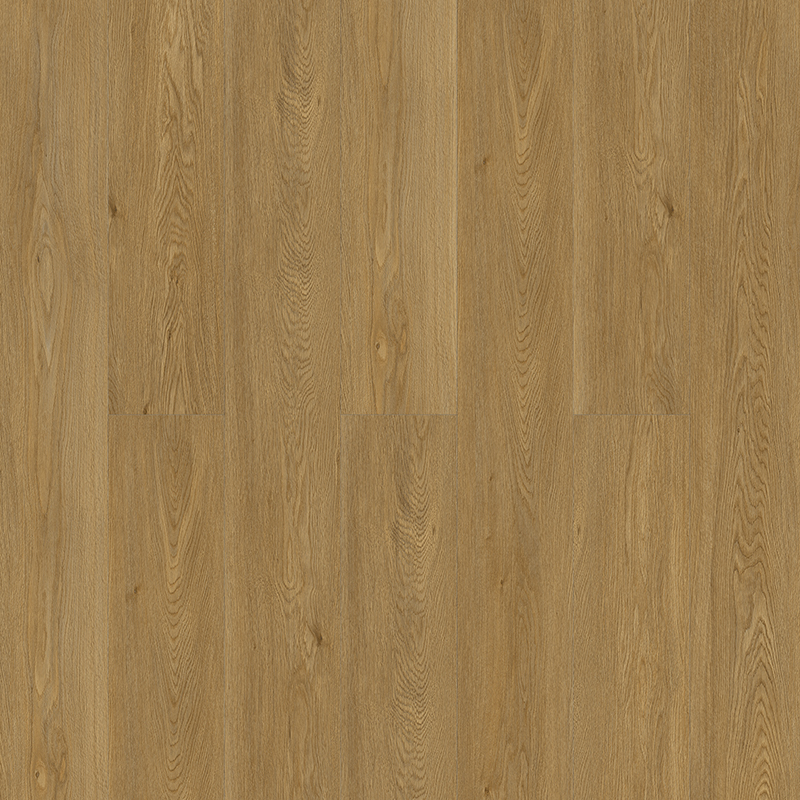
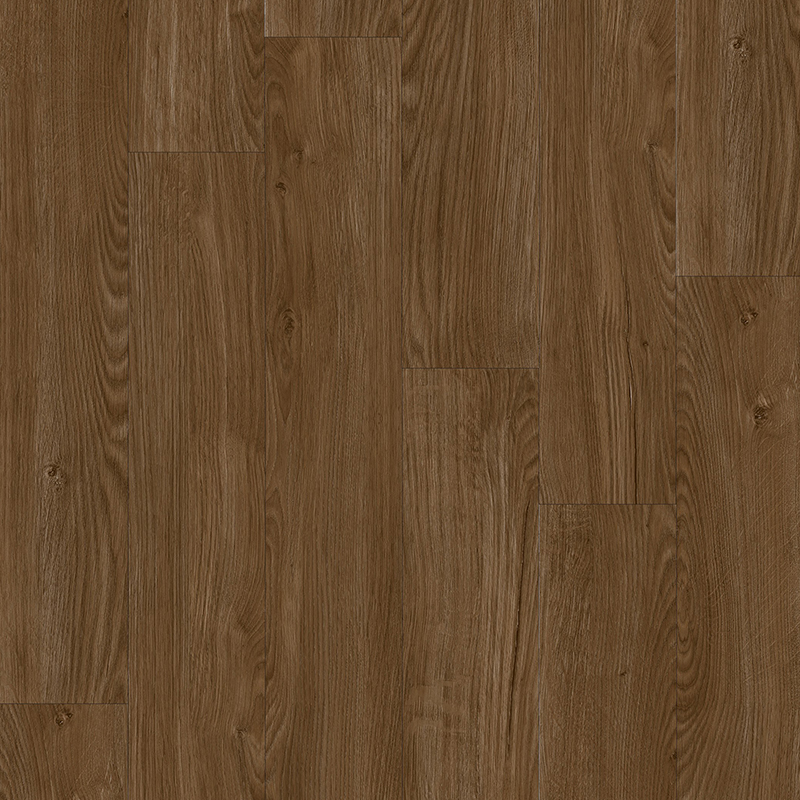
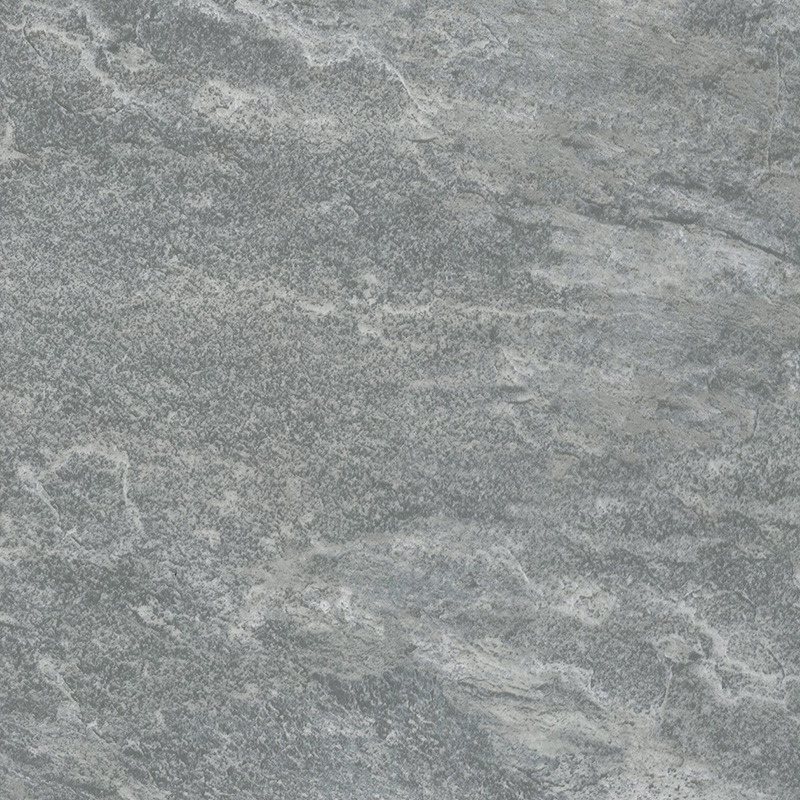
Quiet performance does not have to compromise the look of a room. The ultra-quiet floor range focuses on oak grain finishes with embossed-in-register texture, covering the palettes most frequently used in residential interiors:
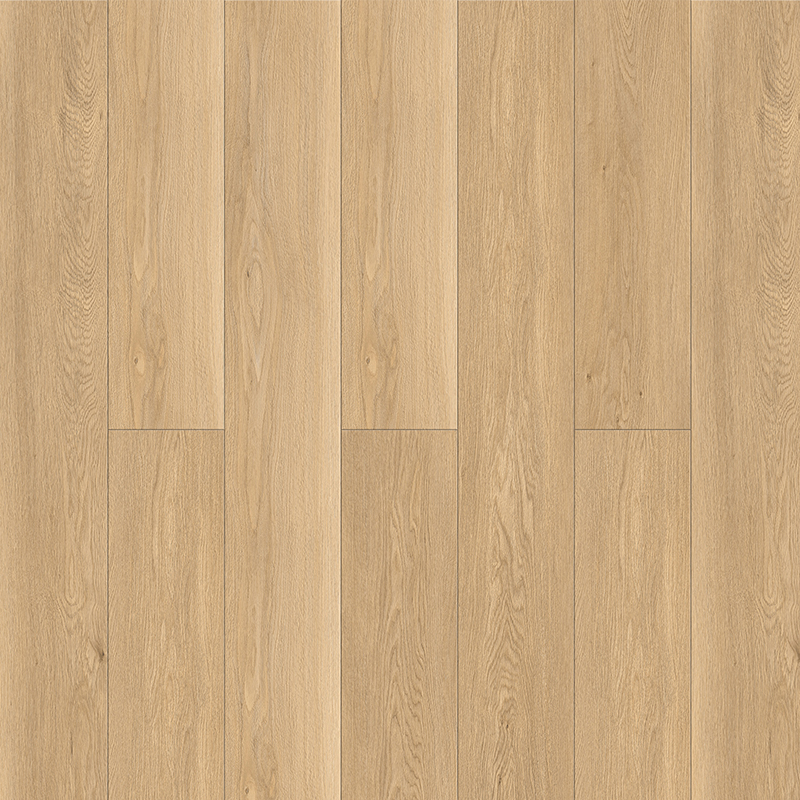
- Light Natural Oak Ultra-Quiet click vinyl plank
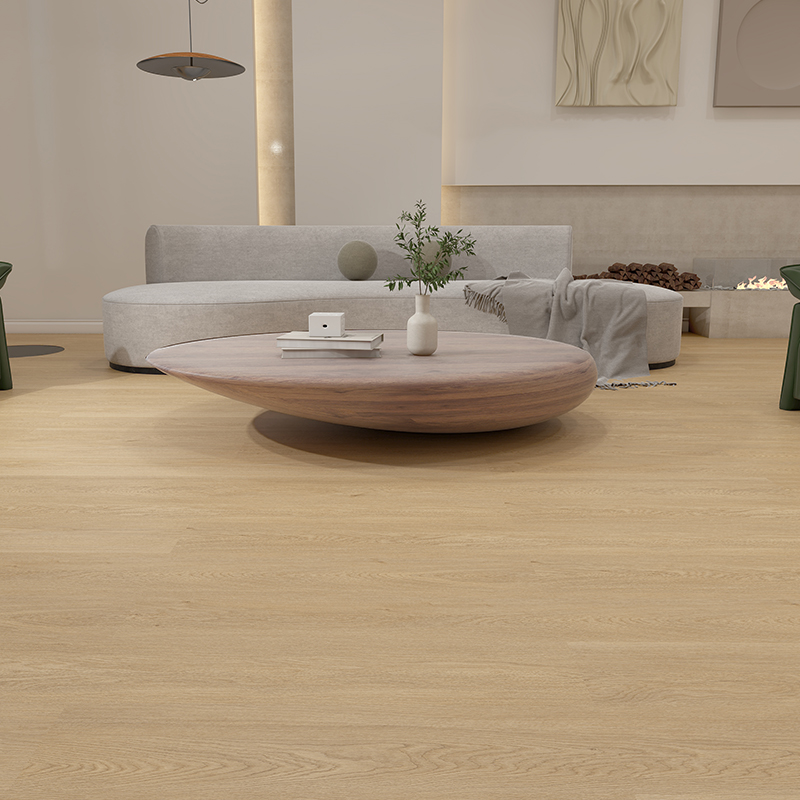 Light Natural Oak Grain Embossed in Register Ultra-Quiet Click Vinyl Plank FloorAs Light Natural Oak Grain Embossed in Register Ultra-Quiet Click Vinyl Plank Flooring Suppliers and Company in China, Herewin offer Cust...View Product → - a pale, airy oak tone that brightens Scandinavian-style and minimalist interiors.
 - Warm Brown Oak Ultra-Quiet click vinyl plank
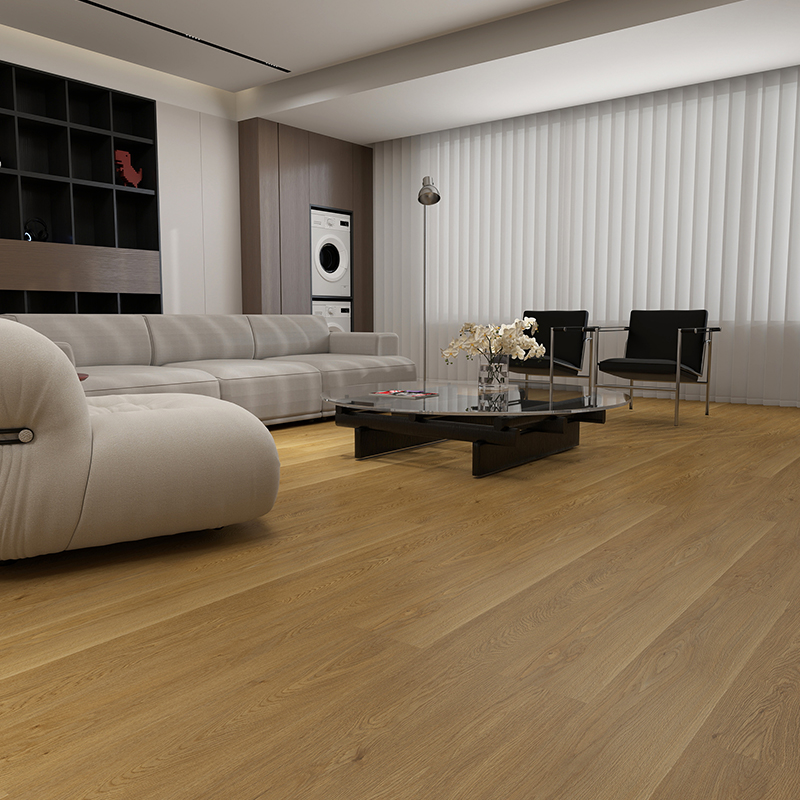 Warm Brown Oak Grain Embossed in Register Ultra-Quiet Click Vinyl Plank FlooringAs Warm Brown Oak Grain Embossed in Register Ultra-Quiet Click Vinyl Plank Flooring Suppliers and Company in China, Herewin offer Custom ...View Product → - a rich, comfortable mid-brown that suits classic and transitional rooms.
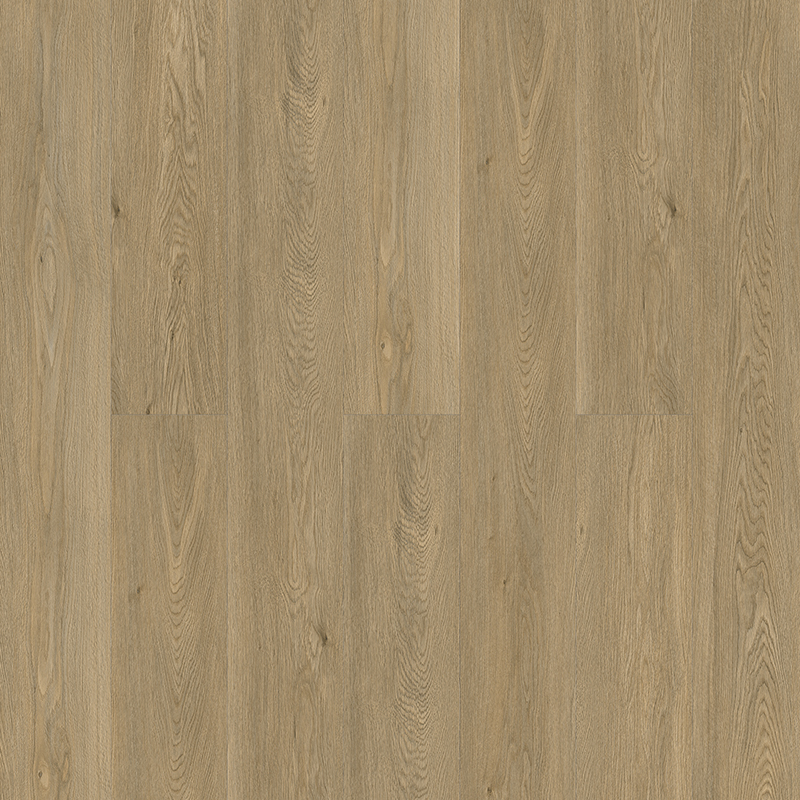
 - Brownish-Green Oak Ultra-Quiet click vinyl plank - a muted, earthy tone that brings a grounded, nature-inspired atmosphere into a space.
All three styles share the same acoustic construction, so the decision between them is purely about the tone and the amount of natural light in the room. The surface realism, underfoot comfort and noise reduction remain consistent across the range.
Installation Considerations for the Best Acoustic Result
An ultra-quiet floor can only perform as well as the surface it is installed on. The subfloor must be clean, dry and level; for rigid click vinyl, a flatness tolerance of roughly 3 mm over a 2 m straightedge is a practical benchmark. On concrete slabs, check moisture before installation, and on timber subfloors, fasten any loose boards and sand or level noticeable unevenness.
Because the plank carries its own backing, no separate underlayment is required, which keeps installation simple and limits the finished floor height. Leave the recommended expansion gap around the perimeter and use well-fitted transition profiles where the floor meets another surface. A complete, tight click joint matters more than any other installation detail, because gaps are the easiest path for sound to escape.
Choosing an Ultra-Quiet Floor With Confidence
Quietness is a quality you experience every day, not just during the first weeks after installation. When comparing floors, gather three pieces of information: the full construction of the plank, the acoustic test data if it is available, and the quality of the surface finish. A floor that combines a dense core, a bonded backing and a realistic EIR surface will serve a bedroom, an apartment living area or a home office without turning everyday movement into a noise complaint.
The benefits of reduced impact noise go beyond comfort. Children can play, pets can run and daily life can proceed normally without the constant worry of disturbing the people below. For a closer look at the everyday difference this floor type makes, read how ultra-quiet flooring is transforming modern homes. When you are ready to compare finishes, the complete ultra-quiet floor collection shows the full range of oak tones and textures available.



LET'S WORK TOGETHER
WELCOME TO JOIN!
-
+86-13616168066
-
[email protected]

-
+86-510-86525168
-
No.8 North Huanzhen Road, Mazhen,Xuxiake Town,Jiangyin City,Jiangsu Province,China
JOIN OUR MAILING LIST
Copyright © 2025 Jiangsu Herewin Environmental Technology Co., Ltd. All Rights Reserved. Vinyl Plank Flooring Manufacturers SPC Rigid Core Flooring Factory
