
 EN
EN
 English
 Español
 عربى
عربى 中文简体
中文简体

-
+86-13616168066

TEL:
-
+86-510-86525168

Fax:
-
No.8 North Huanzhen Road, Mazhen,Xuxiake Town,Jiangyin City,Jiangsu Province,China

Address:
Feel Free To Contact Us :
-
+86-13616168066
-
-

Sep. 11, 2026
Industry News
Luxury Vinyl Floor Tiles: Core Selection, Surface Performance, and Installation
Content
- 1 What Makes Luxury Vinyl Floor Tiles Different
- 2 Matching Visuals to the Room
- 3 How Luxury Vinyl Floor Tiles Behave Under Real Use
- 4 Installation Details That Make or Break a Vinyl Tile Floor
- 5 Maintaining a Luxury Vinyl Floor Tile Surface
- 6 Material Safety and Indoor Air Quality
- 7 A Simple Buying Checklist for Luxury Vinyl Floor Tiles
Choosing luxury vinyl floor tiles usually starts with a picture in your head: a stone-look floor that feels warm underfoot, resists spills, and does not demand the maintenance of natural tile. After comparing many samples in real projects, the conclusion is simple—get the core, surface finish, and installation details right first, and the rest becomes much easier.
What Makes Luxury Vinyl Floor Tiles Different
Luxury vinyl floor tiles are not a single material. They are a multi-layer construction: a transparent wear layer on top, a printed design layer that reproduces stone or wood, a rigid core that gives dimensional stability, and often a backing for acoustic and comfort performance.
The core is the most important decision. SPC (stone plastic composite) uses a dense limestone-polymer composite. It is heavy, very stable with temperature changes, and tolerates heavy furniture and high traffic. EPC (engineered polymer composite) is a lighter, slightly softer core that feels more forgiving underfoot and cuts more easily during installation. Both can be made waterproof, but they behave differently over time: SPC is the safer choice for very hot or cold rooms, while EPC gives a quieter, warmer feel in bedrooms and apartments.
Plank thickness typically ranges from 4 mm to 8 mm, but thickness alone is less important than core density. A well-formulated 5 mm EPC can feel more stable underfoot than a cheap 8 mm foam-backed sheet that is not a true rigid core.
| Core type | Strengths | Considerations |
|---|---|---|
| SPC | Dense, stable, resistant to impacts and high traffic | Harder underfoot; heavier to carry |
| EPC | Lightweight, quiet, comfortable, easy to cut | More attention needed on subfloor flatness |
For tile-look floors, EPC is often paired with ceramic and stone visuals because its slightly softer core reduces the click sound underfoot and makes the surface feel less like plastic. SPC remains the benchmark for commercial corridors and entryways.
Matching Visuals to the Room
The "luxury" in luxury vinyl floor tiles is mostly about how well the surface can imitate natural materials. A convincing tile-look floor needs more than a photo print. The texture should follow the design: a slate tile should feel slightly rough, a marble tile should replicate the uneven veining, and a cement tile should show subtle color variation. This is why the tile-texture finish family is the first filter when selecting a product.
Stone-Look Options
For stone-look floors, the most useful products are EPC click vinyl planks with registered tile textures. If you want a modern marble statement, a dark grey marble-look floor with white veining offers the same visual weight as a large-format porcelain tile but with a warmer, thinner profile.
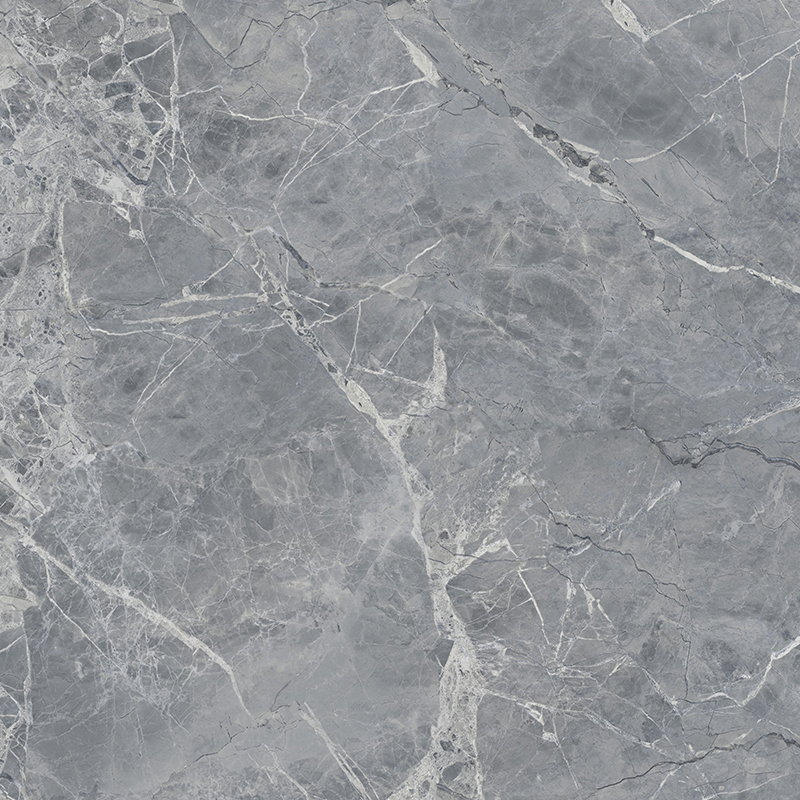 White Veins Dark Grey Marble EPC Click Vinyl Plank FlooringThis vinyl plank recreates dark marble with white veining, offering a stone-look floor that is warmer and thinner than porcelain tile, with waterproof and durable construction ideal for modern interiors.View Product →
For kitchens and bathrooms, a grey slate texture is easier to maintain than natural slate because it resists water and does not require sealing. The high-contrast surface also hides daily debris between cleanings.
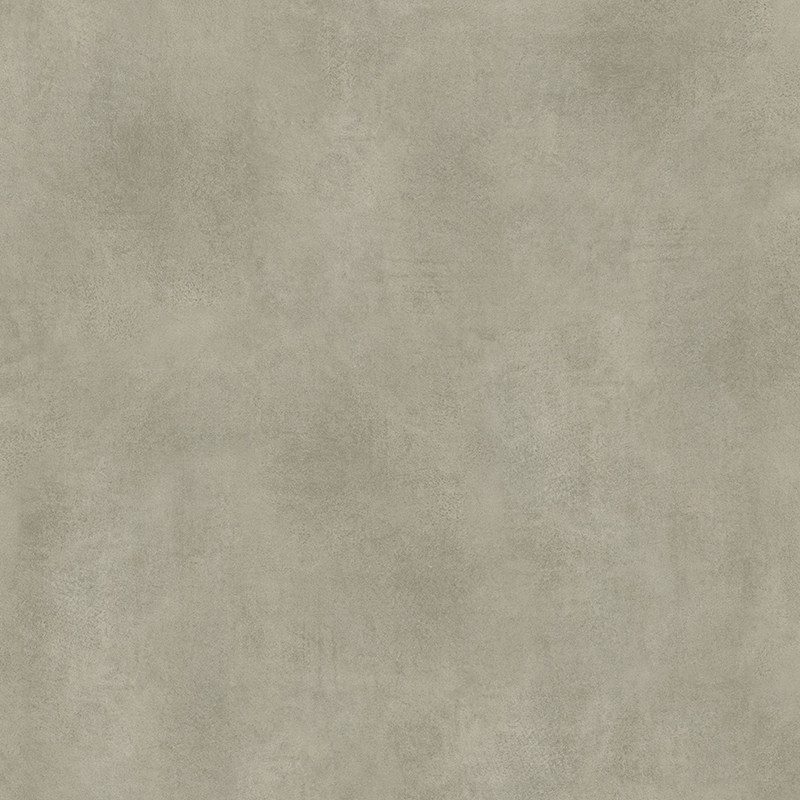
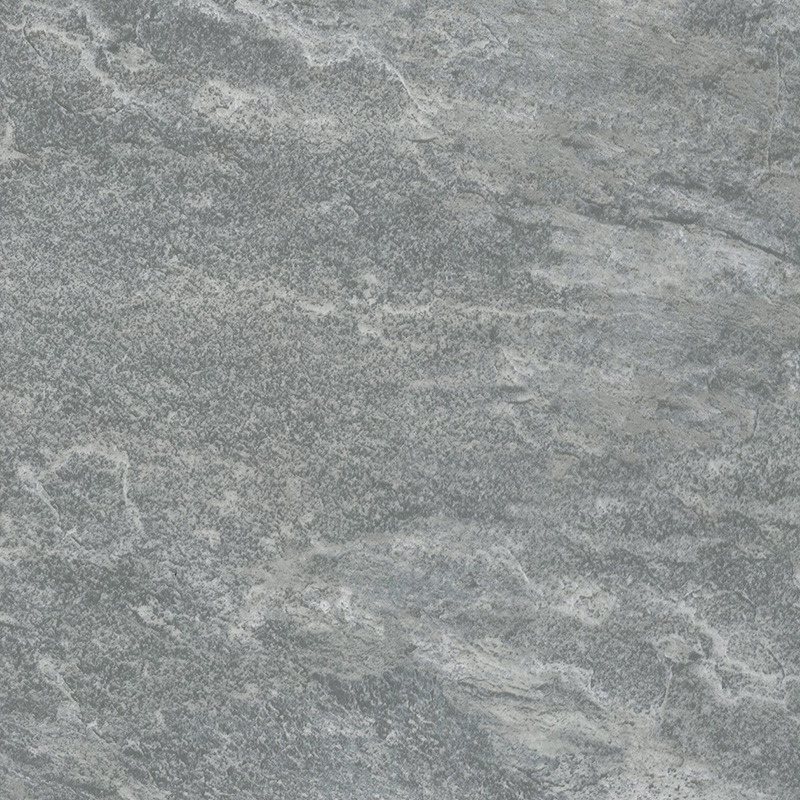 Gray Slate-Style Tile EPC Click Vinyl Plank FlooringThis slate-look vinyl plank provides a water-resistant, low-maintenance surface for kitchens and bathrooms, with a matte finish and textured core that hides debris between cleanings.View Product →
How Luxury Vinyl Floor Tiles Behave Under Real Use
Water resistance is the main reason most people switch from laminate or engineered wood. A good luxury vinyl floor tile with a dense core can be installed in kitchens, laundry rooms, and bathrooms without the swelling risk of wood-based planks. The wear layer determines how long the print lasts. In a private home, 12 mil is acceptable in bedrooms; for stairs, hallways, and open kitchens, a thicker 20 mil wear layer extends the surface life.
High-traffic commercial projects put more pressure on the core than on the print. In such zones, SPC floors are a common choice because heavy carts and dropped tools are less likely to leave dents. EPC floors, on the other hand, are favored in apartments because they lower impact noise. For a balance of stone-look style and everyday durability, the grey quartzite texture gives the appearance of a natural cleft stone while remaining flat and easy to clean.
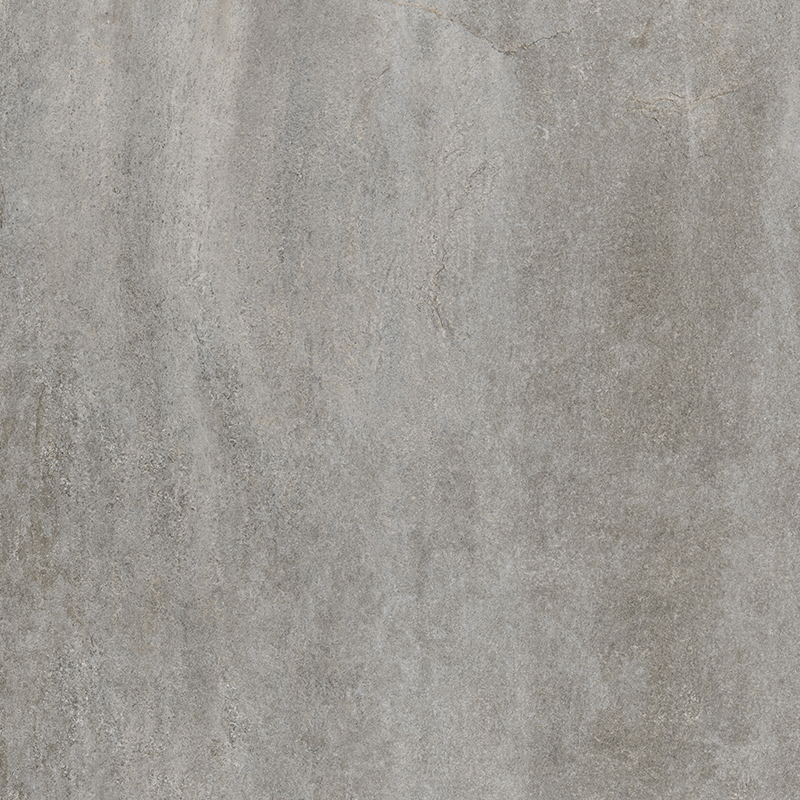 Grey Quartzite Tile Texture EPC Click Vinyl Plank FlooringThis grey quartzite-textured vinyl plank balances stone appearance with everyday durability, featuring a quiet core and easy-clean surface suitable for high-traffic areas.View Product →
Sound performance is another factor that separates cheap vinyl from luxury products. Floating click floors can amplify footfall unless the plank itself has a quiet core. Some manufacturers combine a tile texture with an EPC core to reduce the hollow sound; if noise is a major concern, also look at specialized quiet flooring lines.
Installation Details That Make or Break a Vinyl Tile Floor
Most luxury vinyl floor tiles today use a click-lock system, which means no glue and less downtime. But the floating floor is only as flat as the subfloor beneath it. Before installation, check for levelness, moisture, and debris. A 2 mm to 3 mm deviation across a 2 m straightedge is usually the maximum tolerance for rigid-core vinyl; exceeding that can cause seam failure and noisy joints. You can review the specifications you should check before installation to avoid these problems.
Acclimate the planks in the room for at least 24 to 48 hours, leave a 6 to 8 mm expansion gap around the perimeter, and cover the gap with baseboard or quarter-round. For bathrooms, use a waterproof transition profile at doorways. These steps are not complicated, but they separate a smooth installation from one that develops waves in summer.
Maintaining a Luxury Vinyl Floor Tile Surface
One of the quiet advantages of tile-look vinyl is that it does not need sealing or polishing. A routine of sweeping, vacuuming with a soft brush, and mopping with a damp, well-wrung cloth is enough. Avoid steam mops in continuous use because high heat can soften the wear layer and affect the plank edges. Use furniture pads under chair legs and place a mat at entries to capture grit before it scratches the top coat.
If a plank gets damaged, click-lock floors can be replaced by removing the affected plank from the nearest wall and installing a new one. Because luxury vinyl floor tiles are cut-to-fit with standard carpentry tools, repairs are far easier than with glued-down sheet vinyl. Keep two or three spare planks from the same lot to avoid color mismatch.
Material Safety and Indoor Air Quality
Luxury vinyl floor tiles have improved a lot in environmental performance. A responsible product should be formaldehyde-free in the core and meet low-emission standards. If you are renovating a bedroom or a children's playroom, ask the supplier for test reports such as SGS or BV certification. Some lines are described as no-formaldehyde ABA floors, which use a co-extruded core to keep the plank stable while relying on safer raw materials.
Check whether the printed layer and topcoat are also solvent-free, and remember that heavy underlayment adhesives can cancel out a low-emission floor. For most click-lock installations, no glue is needed at all, which is one less source of indoor air pollution.
A Simple Buying Checklist for Luxury Vinyl Floor Tiles
After you narrow down the visual, write down what matters in your project:
- Core type
- Wear layer thickness
- Tile texture fidelity
- Water resistance rating
- Sound performance
- Installation tolerance
- Warranty
Then order samples and place them in the actual room with typical daylight. A tile texture that looks great in a showroom can look too grey or too glossy in your own space.
The right luxury vinyl floor tile is not simply the one with the most realistic photo. It is the one whose core matches your foot traffic, whose surface texture complements your design, and whose installation requirements fit your site. Start from the specification sheet, not the showroom image, and the finished floor will perform as good as it looks.


LET'S WORK TOGETHER
WELCOME TO JOIN!
-
+86-13616168066
-
[email protected]

-
+86-510-86525168
-
No.8 North Huanzhen Road, Mazhen,Xuxiake Town,Jiangyin City,Jiangsu Province,China
JOIN OUR MAILING LIST
Copyright © 2025 Jiangsu Herewin Environmental Technology Co., Ltd. All Rights Reserved. Vinyl Plank Flooring Manufacturers SPC Rigid Core Flooring Factory
