
 EN
EN
 English
 Español
 عربى
عربى 中文简体
中文简体

-
+86-13616168066

TEL:
-
+86-510-86525168

Fax:
-
No.8 North Huanzhen Road, Mazhen,Xuxiake Town,Jiangyin City,Jiangsu Province,China

Address:
Feel Free To Contact Us :
-
+86-13616168066
-
-

Sep. 04, 2026
Industry News
What Is SPC Flooring? Stone Plastic Composite Construction, Layers and Uses
Content
If you have ever watched a laminate floor swell along its seams after one spilled pet bowl, you already understand the problem SPC flooring was engineered to solve. The short answer: SPC flooring is a rigid-core luxury vinyl plank built around a stone-plastic composite core—ground limestone bound in PVC resin—extruded into a dense, waterproof board, then finished with a printed decor film and a clear wear layer. That limestone-filled core, not the wood or stone image printed on top, is what separates SPC from every flexible vinyl sheet and fiberboard-based click floor that came before it. The sections below explain what goes into a plank, what the construction changes in real rooms, and which numbers to check before you place an order.
What SPC Stands For, and What Goes into the Core
SPC stands for Stone Plastic Composite; some brands write Stone Polymer Composite, but the construction is identical. The core is an extruded sheet in which calcium carbonate—literally ground limestone—typically accounts for well over half of the mix by weight, bound with PVC resin, plasticizers and stabilizers. Production is straightforward to describe: the blend is heated, extruded into a dense board, cooled, then cut into planks with a click-lock profile milled into all four edges.
The practical result of that formula is stiffness. Where a traditional flexible vinyl plank bends in your hands, a 5 mm SPC plank barely flexes. Stiffness delivers three things buyers actually notice: the installed floor stays flat, the click joints stay engaged instead of working loose, and furniture legs or heels do not press dents into the core the way they can into softer materials.
The Layer Stack, Top to Bottom
Every SPC plank is a sandwich, and each layer has a defined job. Reading the stack from top to bottom makes any specification sheet far easier to interpret.
| Layer | Typical thickness | What it does |
|---|---|---|
| Wear layer | 0.3–0.7 mm (12–28 mil) | Clear, aluminum-oxide-reinforced film that takes scratches, UV exposure and daily traffic |
| Decor film | Paper-thin print layer | Wood, stone or carpet image that defines the floor's appearance |
| SPC core | 3.5–7 mm | Limestone-filled rigid board providing waterproofness, dent resistance and the click profile |
| Attached pad (optional) | 1–1.5 mm IXPE or EVA foam | Softens footsteps, quiets hollow sound and bridges minor subfloor texture |
Two layers do most of the work. The wear layer takes the abuse, which is why its thickness is the single best predictor of how long the floor will look new. The core handles water and dimensional stability, which is why SPC installs in rooms where laminate and engineered wood are off-limits.
What the Rigid Core Changes in Real Rooms
Waterproofing is the headline benefit. Because the core contains no wood fibre, standing water from a flooded laundry room or a leaking dishwasher does not swell or delaminate the plank; the maintenance instruction for wet zones is the same as for dry ones, which is to say, wipe it up when convenient.
Dimensional stability is the second advantage. A mineral-filled core expands and contracts far less than fiberboard as seasons change, so SPC tolerates sunrooms, floors in front of south-facing glass, and holiday homes left unheated in winter with noticeably fewer gaps or peaked seams.
Density is the third. The packed mineral core resists indentation from rolling chairs, dog claws and trolley traffic, which is why SPC keeps winning high-traffic jobs in shops, cafés and rental corridors. Most products are also approved over embedded water or electric underfloor heating, usually with a surface-temperature cap of about 27 °C; confirm that rating with the specific product before installation, because adhesives and lock joints behave differently above it.
SPC vs WPC and Glue-Down LVT
SPC's nearest rival is WPC (Wood Plastic Composite), an earlier rigid-core format built on foamed PVC instead of a mineral-filled core. Neither is universally better; they optimize for different priorities.
| Property | SPC | WPC |
|---|---|---|
| Core | Limestone-filled PVC: dense and rigid | Foamed PVC: lighter and cushioned |
| Feel underfoot | Firm, closer to ceramic tile | Softer and warmer |
| Dimensional stability | Very high across temperature swings | Good, but more thermal movement |
| Dent resistance | Higher | Moderate |
| Typical fit | Kitchens, basements, rentals, shops | Bedrooms and living rooms where comfort leads |
Glue-down LVT still earns its place where heavy traffic demands absolute flatness and single-plank replacement, but it requires adhesive, more skilled labour and a perfectly prepared slab. For most homes and light-commercial projects, click SPC delivers the same waterproof performance with a far simpler installation.
Where SPC Makes Sense, and Where It Falls Short
Rooms and projects where it earns its cost
Kitchens and bathrooms head the list, because spills there are a matter of when, not if. Basements follow: SPC floats over concrete slabs and tolerates the moisture that would end a wood floor's warranty. Rentals and pet households benefit from the arithmetic of a 0.5 mm wear layer over a dense core, and light commercial spaces—boutiques, offices, café seating—use SPC as a budget-predictable alternative to stone.
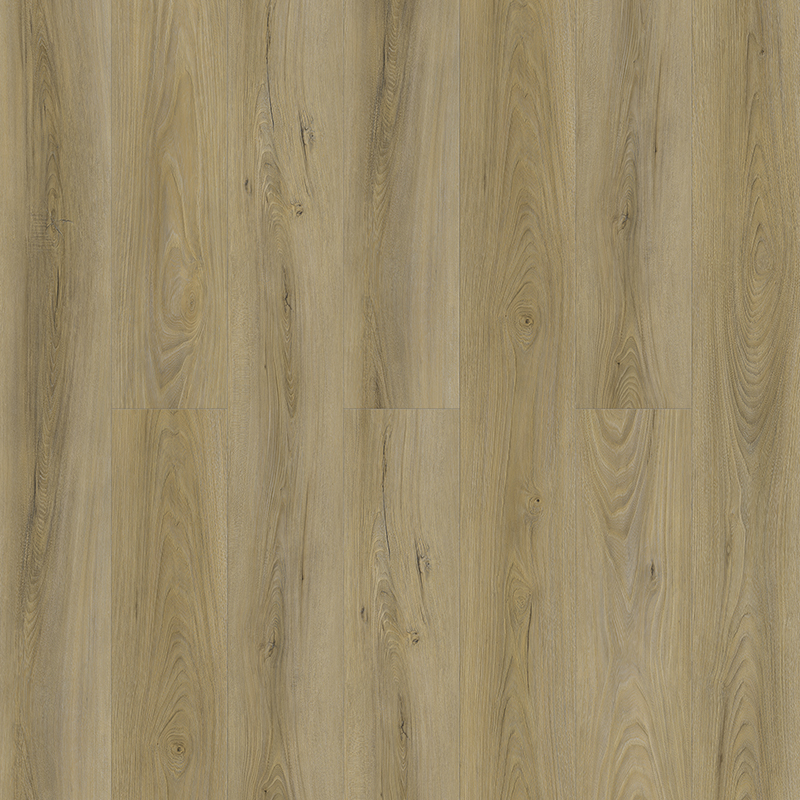
For a typical living room or hallway, an oak-look plank in a matt finish is the workhorse choice:
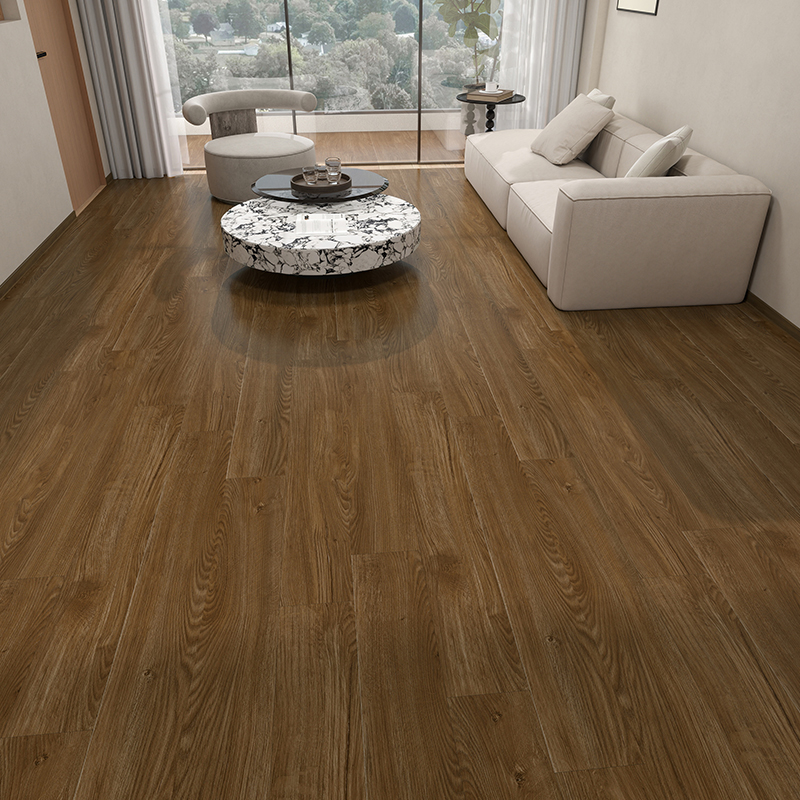 Natural Oak SPC Click Vinyl Plank FlooringAn oak-look plank in a matt finish with embossed grain, beveled edges, and a Valinge click system. Fully waterproof SPC construction suits the living rooms and hallways described as its typical use case.View Product →
The honest limitations
SPC is firmer and cooler underfoot than foam-cored floors; area rugs solve most of that. Rigid planks also telegraph subfloor flaws, and resilient-flooring practice calls for a subfloor flat within roughly 3/16 inch over 10 feet (about 5 mm over 3 m)—this guide on how level a floor needs to be for SPC shows how to measure before you commit. Two further limits: the floor cannot be sanded or refinished, so a deep gouge means plank replacement, and bargain cores can grow brittle in unheated spaces, so check the low-temperature rating before specifying SPC for a three-season porch.
Specs Worth Checking Before You Order
A printed sample hides more than it shows, so judge a plank by its specification sheet. The numbers that matter most:
- Total thickness: 5 mm suits bedrooms and quiet rooms; 6–8 mm is the range for hallways, kitchens and commercial floors.
- Wear layer: 0.3 mm (12 mil) is the residential minimum; 0.5 mm (20 mil) for pets, rentals and retail.
- Lock strength: ask for click-joint test results, because a weakly milled profile shows up as open seams within the first year.
- Attached pad: 1–1.5 mm of IXPE foam improves acoustics and bridges minor subfloor texture; unbacked planks need separate underlayment.
- Certification: request the actual SGS or BV test reports for formaldehyde emissions and slip resistance instead of relying on logo images.
- Batch control: order 8–10% extra for cuts and keep a single production batch per room to avoid shade drift between cartons.
For a deeper procurement checklist, this pre-order inspection list for click vinyl plank flooring covers the measurement and documentation details most first-time buyers miss.
Surface Designs, Textures and Finishes
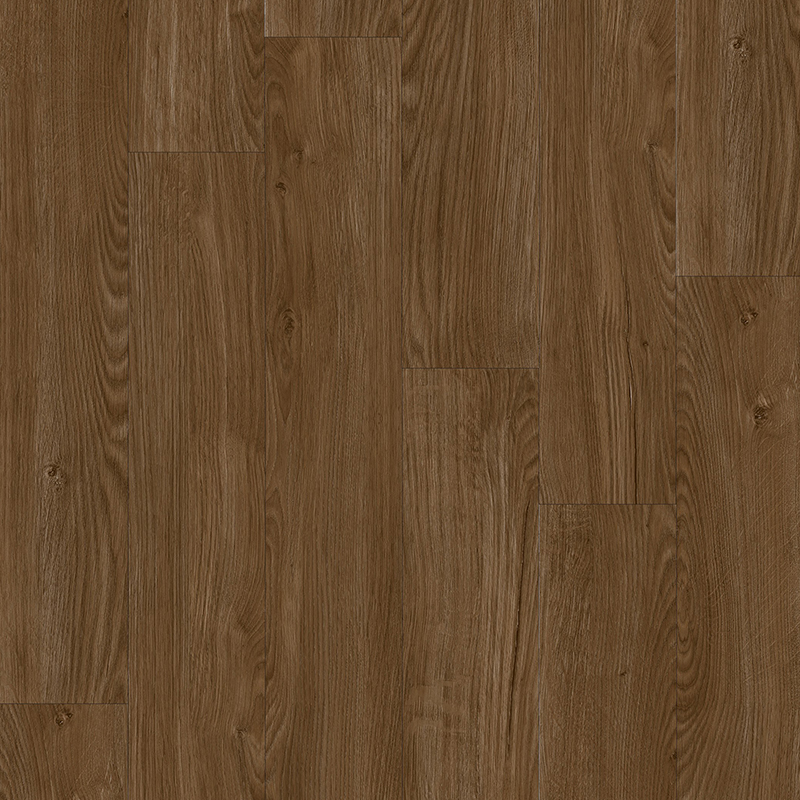
Wood decors dominate the category—oak, walnut and beech in shades from Scandinavian pale to smoked brown—and light, matt-finish planks are the current volume leaders because they hide micro-scratches best. A whitewashed oak plank shows the format at its most typical:
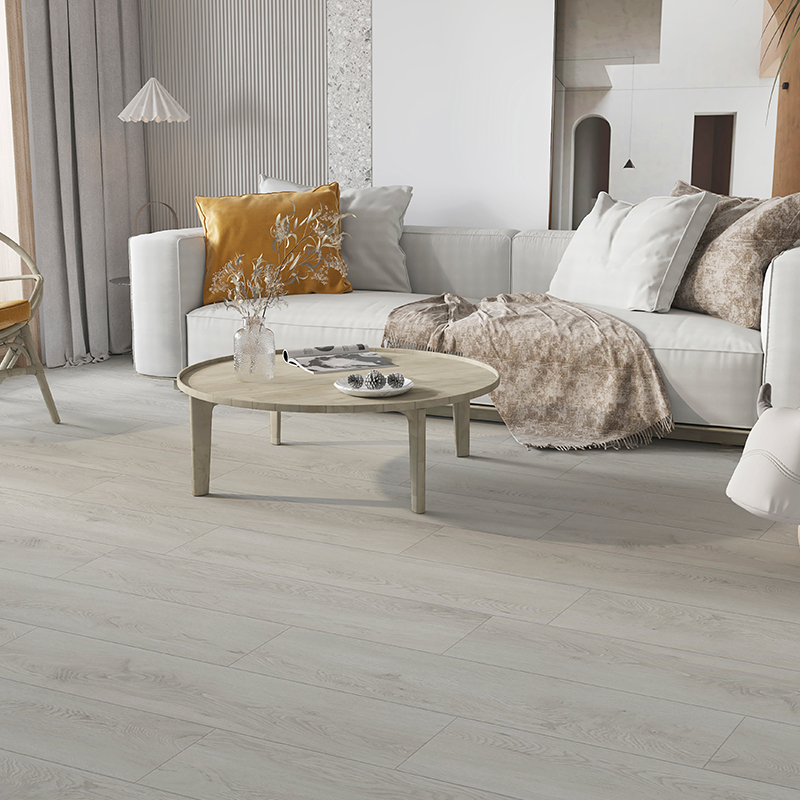 Whitewashed Oak SPC Click Vinyl Plank FlooringA light, whitewashed oak decor with brushed or EIR texture and a soft 5–10 gloss finish. The pale matt surface is a current volume leader since it hides micro-scratches best in everyday interiors.View Product →
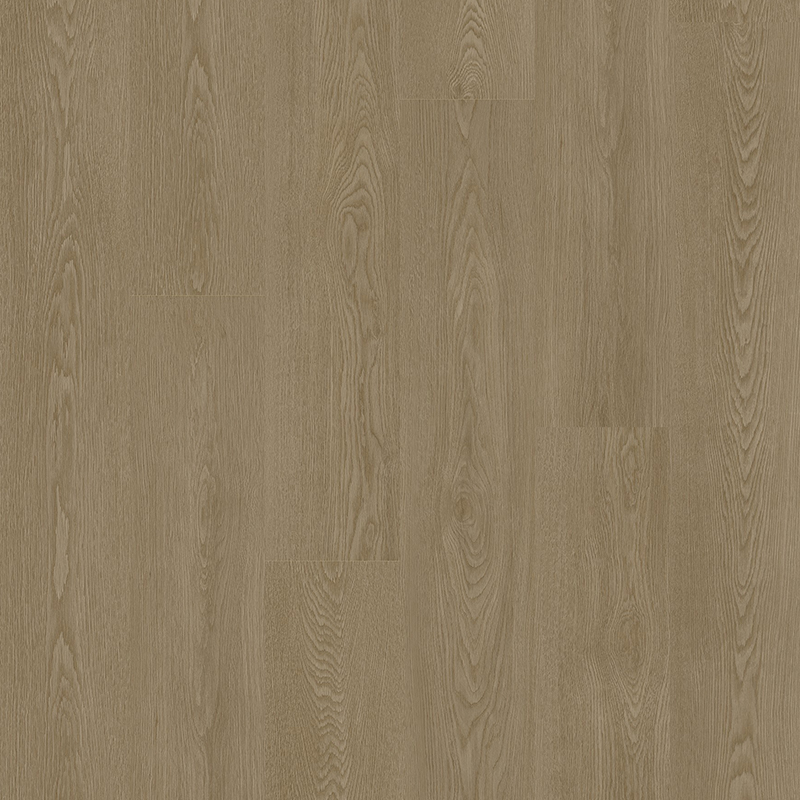
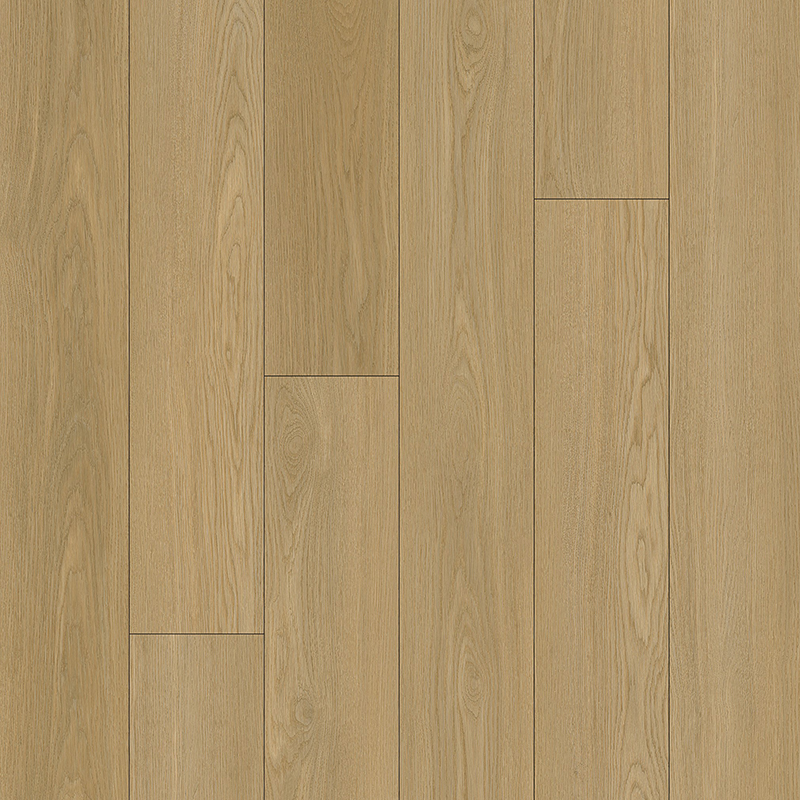
Tile and marble decors give kitchens a grout-free stone look, and carpet-look planks bring textile character to bedrooms and hotel rooms without textile maintenance. Finishing technology matters as much as the print: embossed-in-register (EIR) processing syncs the surface texture to the printed grain so knots and grooves feel like the species they imitate, and the same construction is available with a factory-bonded acoustic pad for apartments and upstairs rooms:
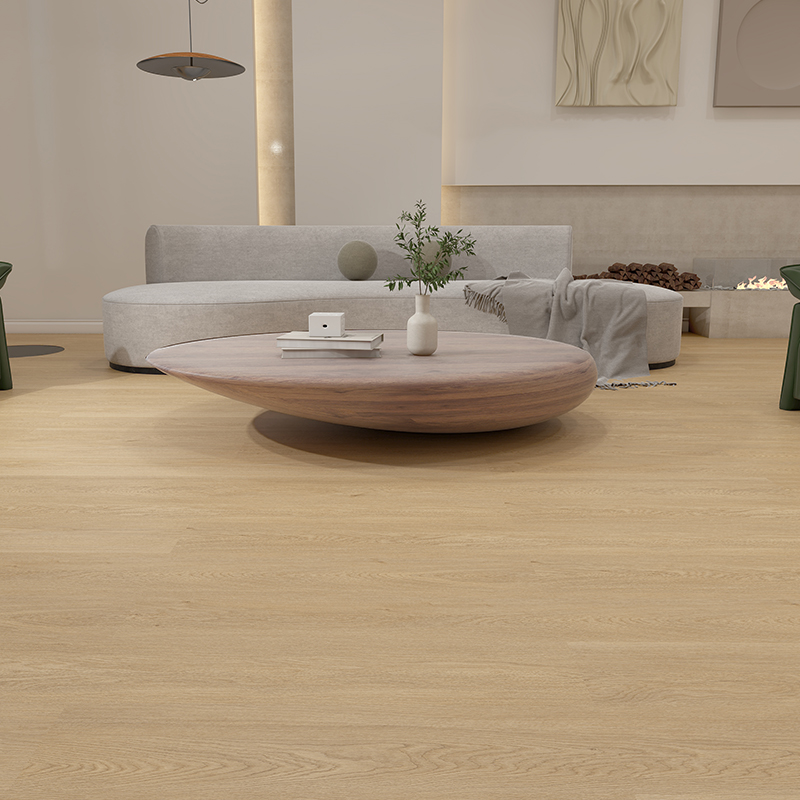 Embossed in Register Ultra-Quiet Oak Click Vinyl PlankLight natural oak planks with EIR texture aligned to the printed grain, available with a factory-bonded acoustic pad. The ultra-quiet design suits apartments and upstairs rooms where walking noise matters.View Product →
High-gloss finishes create a polished, showroom look at the cost of visible dust and footprints, while digital printing allows custom decors for hospitality projects. The same core technology is now extruded into matching wall panels, which lets one material language run from floor to ceiling.
The bottom line: SPC flooring is the rigid-core, fully waterproof branch of luxury vinyl, and its limestone-filled core is the reason it installs flat, stays flat and survives rooms that would destroy laminate. When comparing suppliers, weigh the four numbers—wear layer, total thickness, pad thickness and lock strength—above the printed sample, and ask for third-party certificates before committing. Manufacturers such as Jiangsu Herewin Environmental Technology, which produces SPC, EPC, ABA and ultra-quiet floors under its Nature House brand with SGS and BV certification on file, supply those reports on request; a supplier's willingness to hand them over is itself a useful signal about the plank inside the box.



LET'S WORK TOGETHER
WELCOME TO JOIN!
-
+86-13616168066
-
[email protected]

-
+86-510-86525168
-
No.8 North Huanzhen Road, Mazhen,Xuxiake Town,Jiangyin City,Jiangsu Province,China
JOIN OUR MAILING LIST
Copyright © 2025 Jiangsu Herewin Environmental Technology Co., Ltd. All Rights Reserved. Vinyl Plank Flooring Manufacturers SPC Rigid Core Flooring Factory
