
 EN
EN
 English
 Español
 عربى
عربى 中文简体
中文简体

-
+86-13616168066

TEL:
-
+86-510-86525168

Fax:
-
No.8 North Huanzhen Road, Mazhen,Xuxiake Town,Jiangyin City,Jiangsu Province,China

Address:
Feel Free To Contact Us :
-
+86-13616168066
-
-

Aug. 14, 2026
Industry News
EPC Vinyl Flooring Explained: Key Benefits, Installation Tips, Buying Guide
Content
- 1 What Exactly Is EPC Vinyl Flooring?
- 2 EPC vs. SPC vs. WPC: How the Cores Compare
- 3 Why EPC Flooring Has Become a Renovator Favorite
- 4 Where EPC Vinyl Flooring Makes the Most Sense
- 5 Design Flexibility and Surface Finishes
- 6 Installation and What to Check Before You Buy
- 7 Choosing the Right EPC Product for Your Project
Most renovation quotes list "vinyl flooring" without explaining which core the price refers to. EPC is the least talked-about member of the rigid-core vinyl family, yet it keeps appearing on contractor estimates because it solves a specific problem: how to get the stability of a rigid plank without the weight, coldness and impact noise of a stone-filled core.
What Exactly Is EPC Vinyl Flooring?
EPC stands for engineered polymer composite, sometimes described as expanded plastic composite. The core layer is produced by extruding a polymer compound with a controlled foaming process, which creates a cellular structure that is less dense than the stone-plastic core used in SPC flooring but more rigid than the highly expanded cores found in early WPC products. The result is a click-lock vinyl plank that combines the best of both families: the dimensional stability and impact resistance of SPC, with the lighter weight and softer footfeel of WPC.
A typical EPC plank contains four layers. The transparent wear layer on top resists scratches and scuffs. Below it sits the printed design layer, which can reproduce wood grain, ceramic tile, stone or carpet textures. The engineered polymer composite core provides rigidity and shape memory that keep the click joints locked. Finally, a balanced backing layer reduces moisture uptake and prevents the plank from bowing. Our detailed guide to EPC flooring construction and selection covers the core formula and the installation scenarios where this type of plank performs best.
Because the core is expanded rather than solid, EPC planks weigh noticeably less than SPC planks of the same thickness. For a 20-square-meter room, the difference is often several dozen kilograms, which matters when you are carrying boxes up narrow staircases or working in a building with limited elevator access.
EPC vs. SPC vs. WPC: How the Cores Compare
To understand where EPC fits, it helps to line it up against the other rigid-core formats you are likely to see in a flooring catalog.
| Property | EPC | SPC | WPC |
|---|---|---|---|
| Core composition | Expanded polymer composite | Stone-plastic composite | Wood-plastic composite |
| Weight | Light to medium | Heavy | Medium |
| Foot comfort | Soft and warm | Firm, cooler surface | Soft, warm |
| Dimensional stability | High | Very high | Moderate |
| Sound underfoot | Low to moderate | Moderate to loud | Low |
| Typical price | Mid | Mid to high | Mid to high |
| Best suited for | Renovation, apartments, sound-sensitive rooms | High-traffic commercial, large open spaces | Bedrooms, colder climates |
Read the table as a set of trade-offs rather than a ranking. SPC remains the first choice when durability under heavy rolling loads and constant foot traffic is the priority. WPC is favored in projects that put comfort above all else. EPC occupies the middle ground, which is why many renovators choose it when they need a floor that performs quietly, feels pleasant underfoot, and still locks together with the same mechanical click system used by heavier rigid planks.
Why EPC Flooring Has Become a Renovator Favorite
Manufacturers have been refining polymer composite cores for years, and the current generation of EPC products delivers a combination that is hard to argue with for residential and light commercial use. The four advantages buyers notice first are the ones covered below.
- Lighter logistics. Reduced weight means fewer trips, less strain on stairs and elevators, and easier handling for a DIY crew.
- Quieter underfoot. The cellular core absorbs footstep impact, so the floor generates less sound than a solid composite plank.
- Warmer surface temperature. Compared with SPC, EPC does not draw heat away from bare feet as quickly, which matters in bedrooms and playrooms.
- Dimensional control. The core formula limits expansion and contraction, reducing the risk of gaps at the seams and buckling near fixed objects.
Click-lock EPC planks use a floating installation method, meaning no glue is applied to the subfloor. Planks are joined edge to edge and the floor expands and contracts as one unit. The polymer composite core gives the tongue-and-groove joints enough rigidity to stay seated, so panels are less likely to separate during seasonal temperature changes. The practical effect of these material choices is evident in the lightweight comfort and quiet performance that EPC planks are known for.
Where EPC Vinyl Flooring Makes the Most Sense
At home, EPC performs well in bedrooms, living rooms, family rooms and hallways. Its softness underfoot makes it a good fit for upstairs floors, and the reduced impact sound is a genuine benefit in apartments where neighbors can hear footsteps below. In a kitchen or entryway, the waterproof core means spilled water, coffee or tracked-in rain will not soak into the material, and you can mop the floor without worrying about joint swelling.
Light commercial spaces also use EPC flooring. Boutiques, therapy clinics, child care rooms, small offices and showrooms appreciate the fact that a damaged plank can be replaced individually, while the floor itself can be installed around existing columns and doorframes without heavy cutting equipment. If you are designing a space with a raw stone aesthetic, the gray slate-style tile texture EPC click vinyl plank gives you the look of natural slate without the cold surface or the grout maintenance that real tile brings.
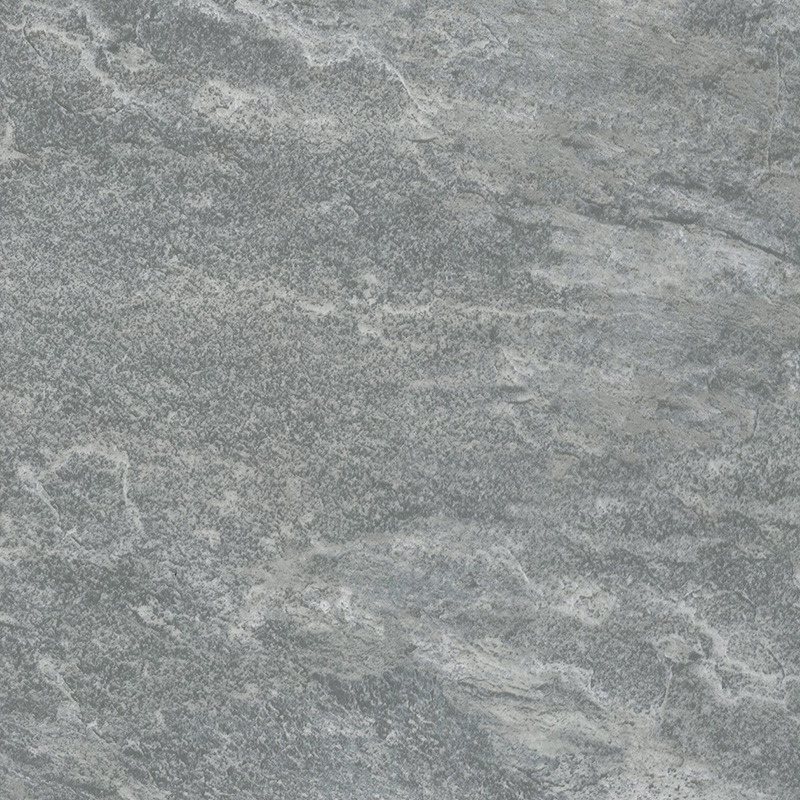 Gray Slate-Style Tile Texture EPC Click Vinyl Plank Flooring Suppliers, Custom CAs Gray Slate-Style Tile Texture EPC Click Vinyl Plank Flooring Suppliers and Company in China, Herewin offer Custom Gray Slate-Style Til...View Product →
Design Flexibility and Surface Finishes
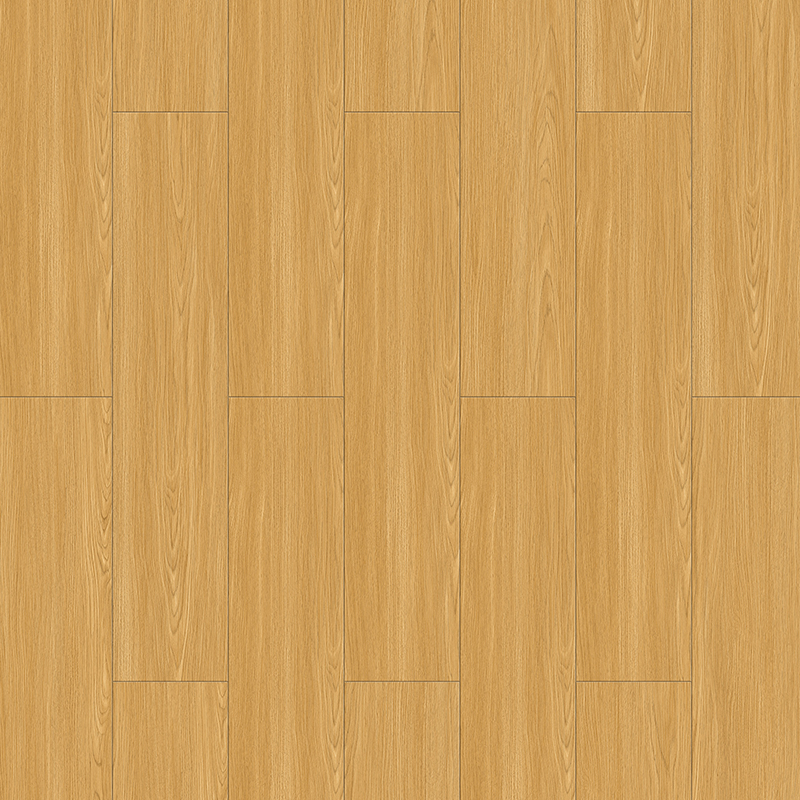
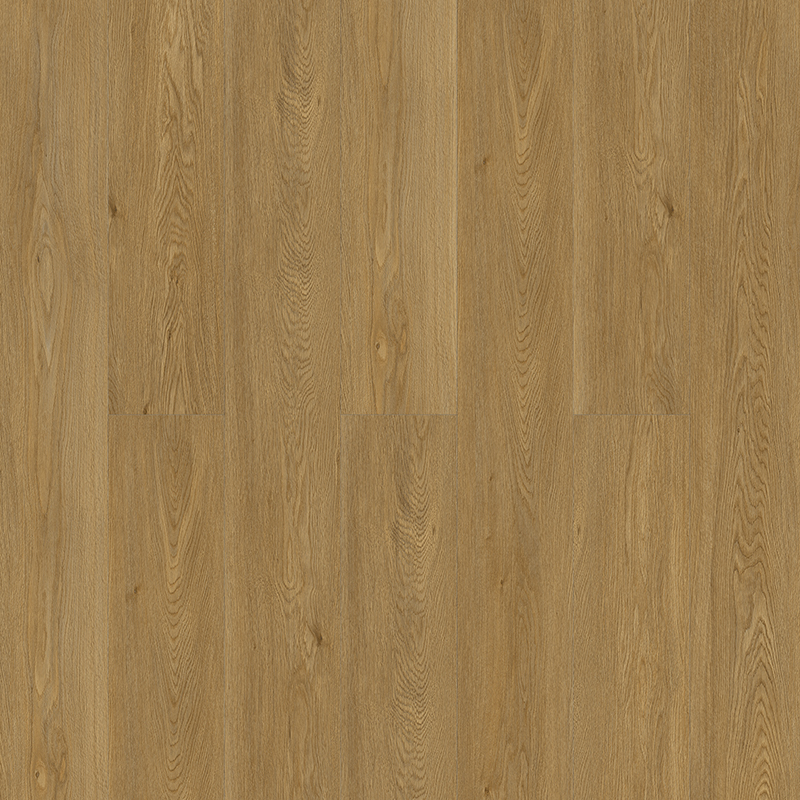
One of the strongest arguments for EPC vinyl flooring is the visual range. The print layer sits under a transparent wear layer, so manufacturers can produce high-resolution patterns that mimic natural materials at a fraction of the cost. The surface texture matters as much as the color. Embossed-in-register (EIR) aligns the embossing pattern with the printed grain, so you can feel the oak pores exactly where the print shows them. For tile looks, slate and quartzite textures add a subtle roughness that makes the floor feel closer to real stone than a flat gloss film ever could.
Bathrooms, laundry rooms and powder rooms are good candidates for marble-effect EPC because the material is waterproof and warmer underfoot than ceramic tile. A white-veins dark grey marble tile texture EPC click vinyl plank can deliver the polished look of marble while keeping maintenance to a simple damp mop. The darker background also hides minor surface marks, which is one of the reasons this style is specified in high-traffic home entrances.
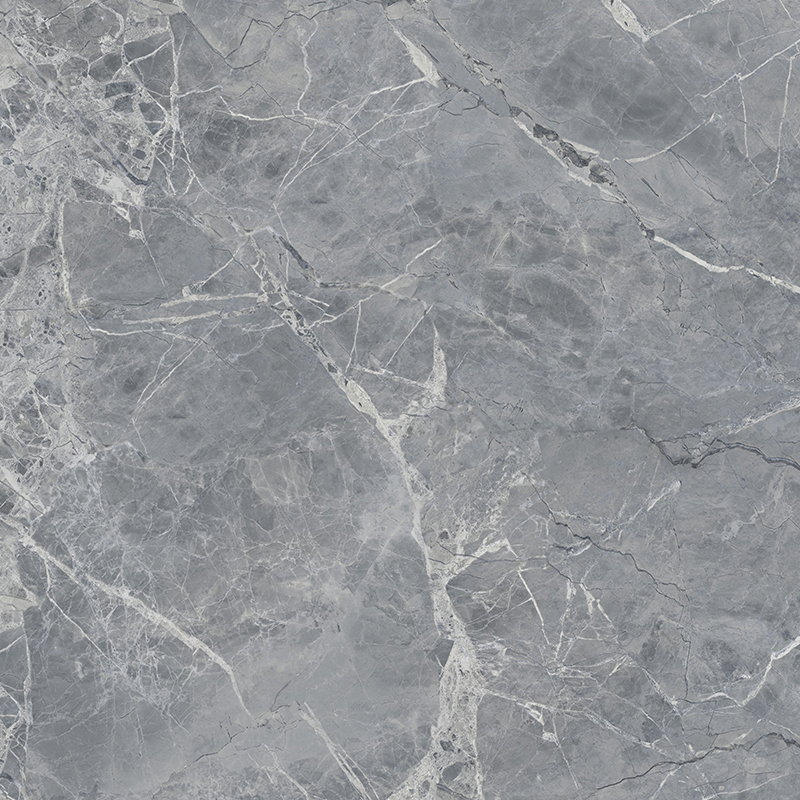 White Veins Dark Grey Marble Tile Texture EPC Click Vinyl Plank Flooring SupplieAs White Veins Dark Grey Marble Tile Texture EPC Click Vinyl Plank Flooring Suppliers and Company in China, Herewin offer Custom White Ve...View Product →
Installation and What to Check Before You Buy
Click-lock installation is the main reason EPC flooring is popular with both DIY homeowners and professional crews. The procedure follows the same pattern as other floating vinyl plank floors.
- Check subfloor flatness. Most manufacturers call for a tolerance of about 2 to 3 mm over a 2-meter straightedge. Larger deviations require self-leveling compound before installation.
- Let the planks acclimate in the room for 24 to 48 hours so the core reaches the ambient temperature and humidity.
- Install an underlayment if the product specification requires one, and add a moisture barrier over concrete slabs.
- Leave an expansion gap of 8 to 10 mm around the perimeter and under doorframes, then cover it with baseboard or quarter-round.
Before you place an order, verify three product details. The wear layer thickness determines how long the floor keeps its appearance in high-traffic zones: 0.3 mm suits most residential rooms, while 0.5 mm is safer for commercial areas. The core density affects indentation resistance from furniture legs and heavy appliances. The joint profile matters because a weak click system is the most common cause of separated seams in floating floors.
Choosing the Right EPC Product for Your Project
Once you have decided on EPC, the selection process comes down to practical factors rather than brand names. Match the wear layer to the traffic level, choose a pattern that hides the kind of dirt your household actually produces, and confirm that the plank size works with your room dimensions to minimize waste.
The surface finish should be chosen with the room in mind. Matt and EIR finishes hide scuffs better than high-gloss, while high-gloss can make a small space feel brighter but shows fingerprints more easily. A grey quartzite tile texture EPC click vinyl plank is a strong contender for living areas because the natural color variation across the surface hides daily dust and light scuffs between cleanings. For a more uniform, architectural look, the slate-style option provides a calmer visual rhythm.
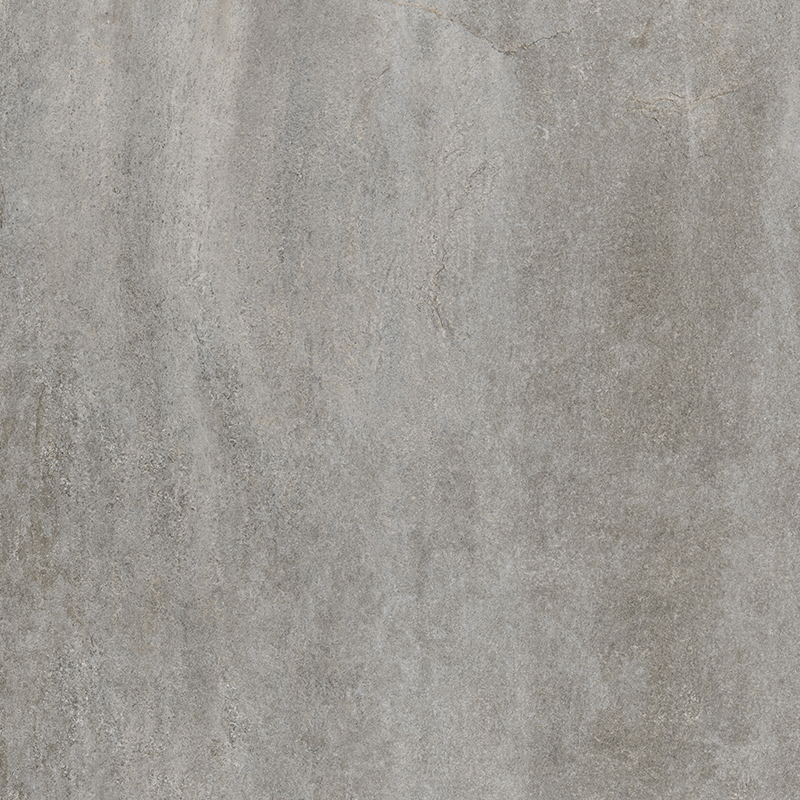 Grey Quartzite Tile Texture EPC Click Vinyl Plank Flooring Suppliers, Custom ComAs Grey Quartzite Tile Texture EPC Click Vinyl Plank Flooring Suppliers and Company in China, Herewin offer Custom Grey Quartzite Tile Te...View Product →
EPC vinyl flooring will not replace SPC in every job, and it does not need to. Its strengths are the everyday problems of renovation: heavy boxes on the stairs, noisy footsteps between floors, cold floors in winter, and seams that open after a season of heating. When those issues dominate the project brief, an engineered polymer composite core is a reliable answer that balances comfort, stability and cost in a way that both contractors and homeowners can appreciate.





LET'S WORK TOGETHER
WELCOME TO JOIN!
-
+86-13616168066
-
[email protected]

-
+86-510-86525168
-
No.8 North Huanzhen Road, Mazhen,Xuxiake Town,Jiangyin City,Jiangsu Province,China
JOIN OUR MAILING LIST
Copyright © 2025 Jiangsu Herewin Environmental Technology Co., Ltd. All Rights Reserved. Vinyl Plank Flooring Manufacturers SPC Rigid Core Flooring Factory
