
 EN
EN
 English
 Español
 عربى
عربى 中文简体
中文简体

-
+86-13616168066

TEL:
-
+86-510-86525168

Fax:
-
No.8 North Huanzhen Road, Mazhen,Xuxiake Town,Jiangyin City,Jiangsu Province,China

Address:
Feel Free To Contact Us :
-
+86-13616168066
-
-

Aug. 21, 2026
Industry News
What Is SPC Flooring? A Complete Buyer's Guide to Stone Plastic Composite
Content
SPC flooring is a rigid-core, 100% waterproof vinyl floor built around a dense core of stone plastic composite. When you compare flooring options for kitchens, bathrooms, or rental units, SPC usually beats laminate and standard vinyl on moisture resistance and dimensional stability. In this guide, we explain what SPC flooring is, how it is made, where it works best, and what to check before buying.
What Does SPC Stand For?
SPC stands for Stone Plastic Composite, although some suppliers call it Stone Polymer Composite. In both cases, the material is the same: a rigid core made primarily from calcium carbonate (limestone powder) and polyvinyl chloride (PVC), with small amounts of stabilizers and lubricants.
The "composite" part is important because it is what separates SPC from standard flexible vinyl flooring. Instead of bending easily under load, an SPC plank resists movement and returns to its original shape. The dense core also gives the floor a more solid feel than ordinary vinyl.
How SPC Flooring Is Made
The production process starts by mixing limestone powder, PVC resin, and additives into a dry blend. The blend is heated and forced through an extruder, forming a continuous rigid board. After cooling, the board is cut into planks, and the four edges are milled into a click-lock profile. A printed design layer and a transparent wear layer are then fused on top, often with a UV-cured coating for extra protection.
| Layer | Function | Typical Thickness |
|---|---|---|
| Wear layer | Protects against scratches, stains, and scuffs | 0.2–0.7 mm |
| Printed design layer | Provides the wood, tile, or stone appearance | Not a thickness-critical layer |
| SPC rigid core | Gives the plank stability, stiffness, and waterproof performance | 4–8 mm |
| Attached underlayment | Reduces noise and helps smooth minor subfloor irregularities | 0.5–2 mm (if present) |
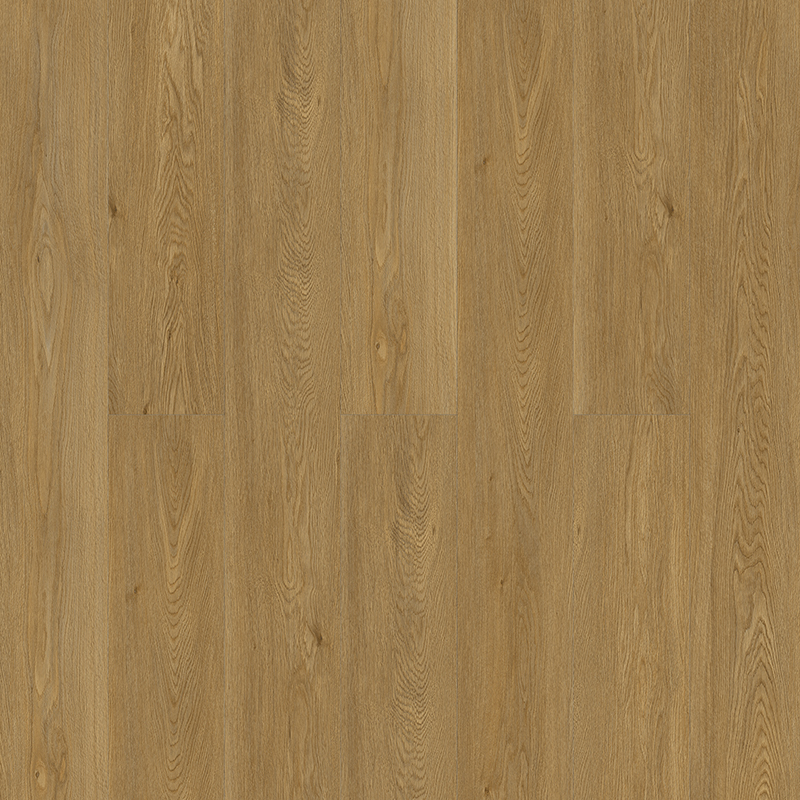
The quality of the click profile and the density of the core vary by manufacturer. A well-made plank should have a dense, uniform core and locking edges that click together without excessive force. For example, our Natural Oak SPC click vinyl plank shows how a wood-pattern design layer sits over a rigid core without the softness of standard vinyl.
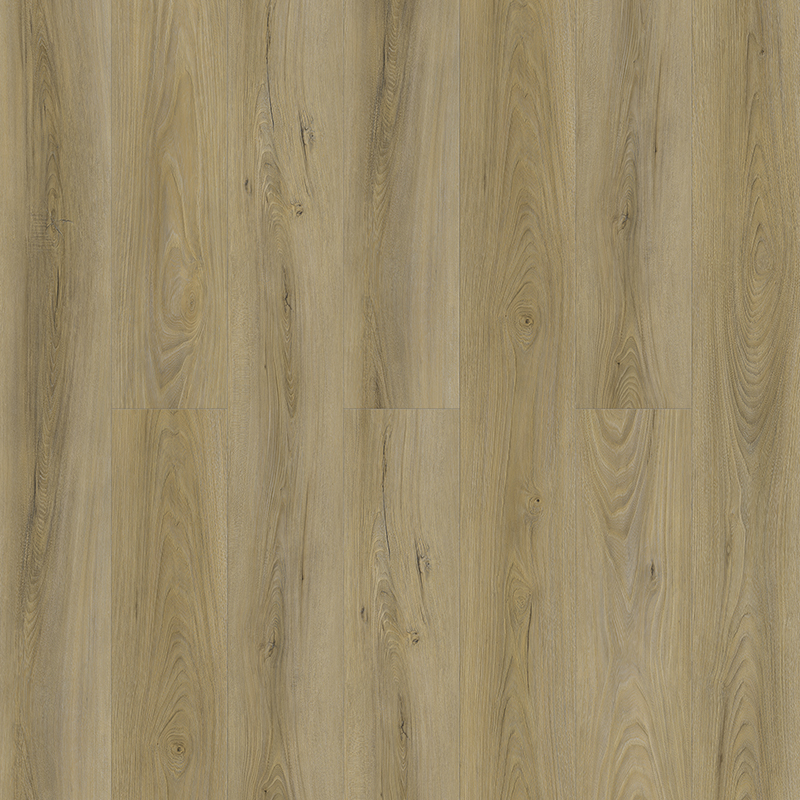
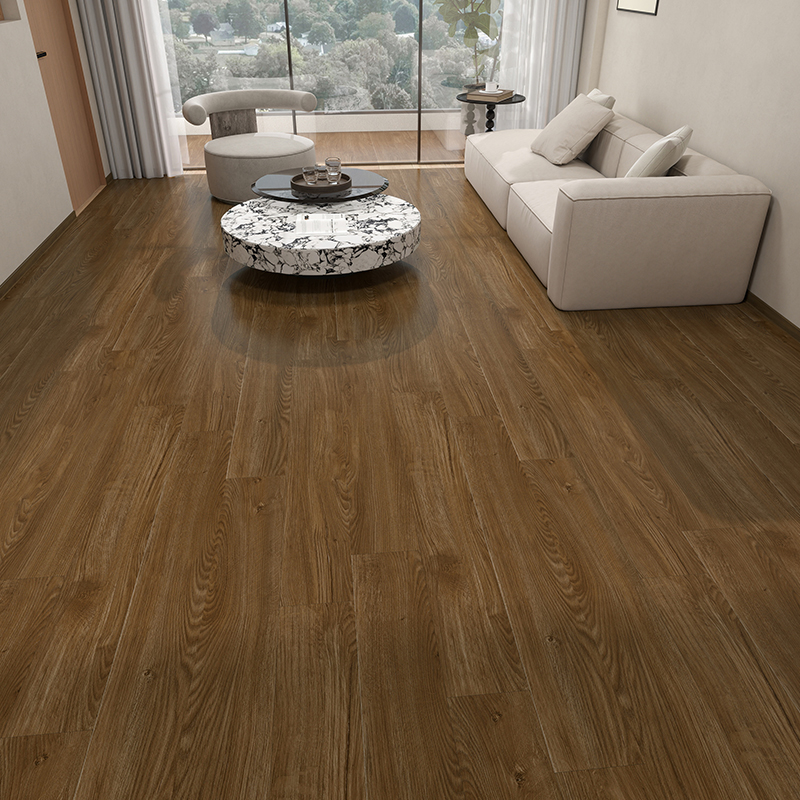 Natural Oak Wood Pattern SPC Click Vinyl Plank Flooring Suppliers, Custom CompanAs Natural Oak Wood Pattern SPC Click Vinyl Plank Flooring Suppliers and Company in China, Herewin offer Custom Natural Oak Wood Pattern ...View Product →
The Main Benefits of SPC Flooring
The reasons buyers choose SPC flooring come down to practical performance:
- Waterproof: the SPC core contains no wood, so standing water from spills, pets, or mopping cannot cause swelling.
- Dimensional stability: the mineral-filled core expands and contracts less than wood or flexible vinyl in changing temperatures.
- Scratch and impact resistance: a quality wear layer handles chairs, pet claws, and dropped objects better than many soft vinyl options.
- Simple click installation: planks float over the subfloor without glue, which makes DIY installation realistic.
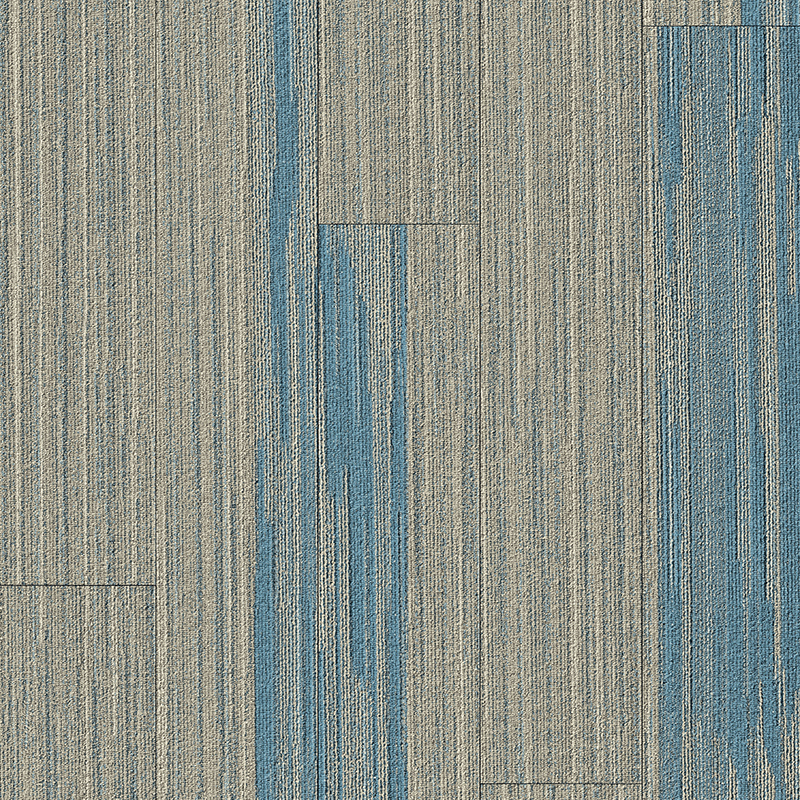
- Design variety: SPC can mimic hardwood, stone, slate, and even carpet textures. Surfaces with embossed-in-register texture align the embossing with the printed grain, making the floor look and feel closer to real wood.
Those benefits are not theoretical. In high-traffic commercial spaces, an SPC floor with a thicker wear layer usually outlasts ordinary laminate. If you want to know how the material behaves over years of use, our SPC flooring durability and waterproofing guide explains the failure modes and what to look for.
SPC vs. WPC and Laminate
SPC is often mentioned alongside WPC, or wood plastic composite. WPC has a foamed core that feels softer and slightly warmer underfoot, while SPC is denser and stiffer. Both are waterproof, but SPC is generally more dimensionally stable in extreme heat or cold and usually costs less. WPC can be more comfortable for long periods of standing, so it shows up in bedrooms and basements where a bit of cushioning is welcome.
Compared to laminate, SPC is more moisture-resistant but often has a slightly softer surface. Laminate can be cheaper and may offer a more convincing wood print at a distance, but it swells when water penetrates the seams. For kitchens, bathrooms, and laundry rooms, SPC is the safer choice.
Where SPC Flooring Works Best
You can install SPC in almost any internal space, but it performs especially well in rooms where moisture and temperature changes are normal:
- Kitchens and dining areas
- Bathrooms and laundry rooms
- Basements and ground-level floors
- Entryways and mudrooms
- Hallways and other high-traffic passages
- Commercial settings such as retail stores, cafes, and offices
SPC also works with underfloor heating because the core is dimensionally stable, but keep the water temperature within the manufacturer's recommended range. The bigger limitation is subfloor flatness: a floating SPC floor will not hide large dips or bumps. You need a subfloor that is flat to about 3 mm over 2 meters before installation. The floor itself is also harder than carpet or WPC, so some homeowners add area rugs in living rooms.
What to Look for When Buying SPC Flooring
Not all SPC flooring is equal. The name "SPC" tells you the core material, but the performance depends on the layer quality and the locking system. Check these points before ordering:
- Wear layer thickness: 0.3 mm is fine for low-traffic homes; 0.5 mm or higher for family homes and commercial use.
- Core thickness and density: a 4 mm core is common for renovation, while 5 mm or 6 mm gives more stability on older subfloors.
- Click profile: turn a few planks and see if the lock engages firmly without a large gap.
- Certifications and emissions: look for low formaldehyde and VOC limits, and check third-party test reports.
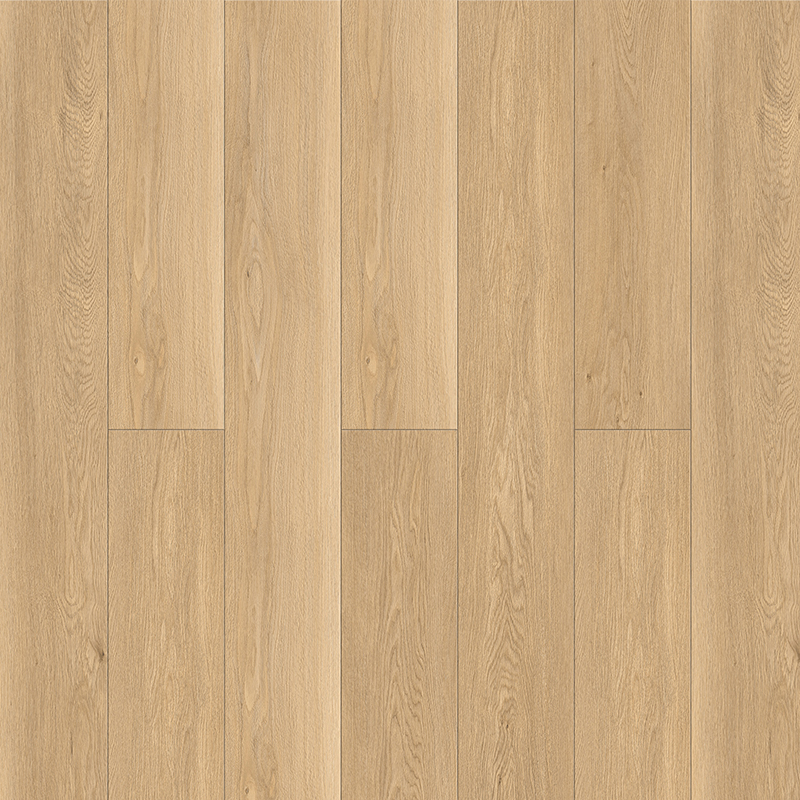
For a more contemporary color, a Light Grey SPC click vinyl plank is a practical option because it hides dust and small scratches while keeping the room feeling bright.
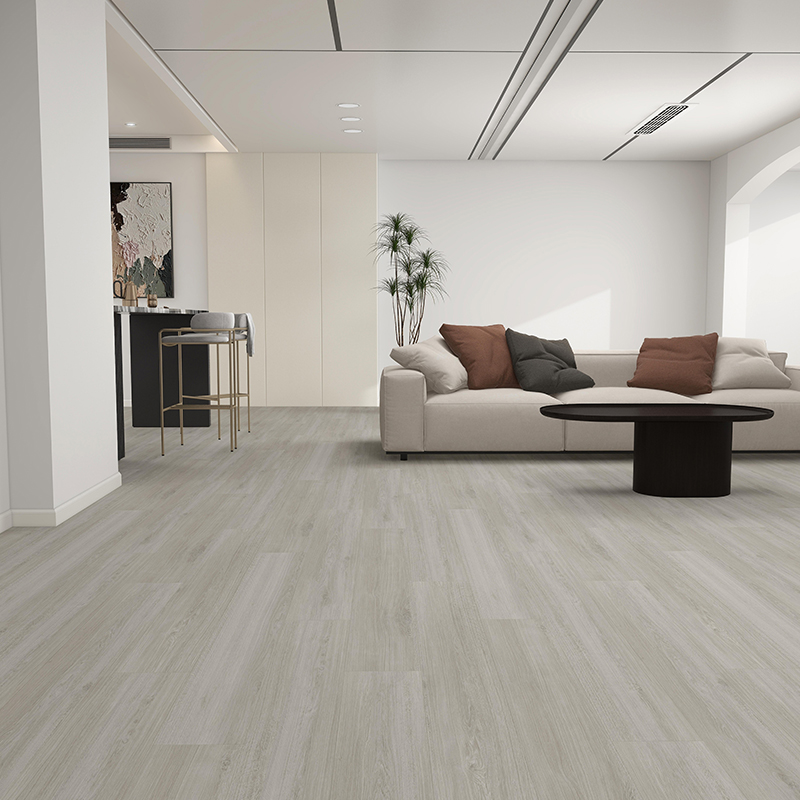 Light Grey Wood Pattern SPC Click Vinyl Plank Flooring Suppliers, Custom CompanyAs Light Grey Wood Pattern SPC Click Vinyl Plank Flooring Suppliers and Company in China, Herewin offer Custom Light Grey Wood Pattern SP...View Product →
At Herewin, every SPC production line is factory-tested and samples go to independent laboratories such as SGS or BV before large orders are shipped. That is the kind of quality signal to look for from any supplier.
The Bottom Line
SPC flooring is a waterproof, dimensionally stable rigid-core vinyl product with a stone plastic composite core. It combines the best of practicality and design flexibility, and it fits well in homes, apartments, and commercial projects where moisture, scratches, and ease of installation matter.
Before you buy, focus on wear layer thickness, core thickness, subfloor flatness, and certification. The right SPC plank should feel solid, look like the material it imitates, and click together cleanly. If those check out, SPC is one of the most durable and low-maintenance floors you can install.


LET'S WORK TOGETHER
WELCOME TO JOIN!
-
+86-13616168066
-
[email protected]

-
+86-510-86525168
-
No.8 North Huanzhen Road, Mazhen,Xuxiake Town,Jiangyin City,Jiangsu Province,China
JOIN OUR MAILING LIST
Copyright © 2025 Jiangsu Herewin Environmental Technology Co., Ltd. All Rights Reserved. Vinyl Plank Flooring Manufacturers SPC Rigid Core Flooring Factory
