
 EN
 English
 Español
 عربى
 中文简体


-
+86-13616168066

TEL:
-
+86-510-86525168

Fax:
-
No.8 North Huanzhen Road, Mazhen,Xuxiake Town,Jiangyin City,Jiangsu Province,China

Address:
Feel Free To Contact Us :
-
+86-13616168066
-
-

Oct. 23, 2026
Industry News
How to Vlean lvt Flooring: Applications, Selection Criteria, and Practical Guidance
Content
A 0.3 mm wear layer is roughly as thick as three sheets of printer paper. Every pad, mop and bottle you bring to a luxury vinyl tile floor either protects that layer or wears it thinner, and once it goes dull there is no polish that brings it back.
LVT is a resilient plank or tile built from a PVC core, a printed design film and a clear urethane wear layer on top. The print carries the wood or stone look, the wear layer takes the traffic, and the seam between planks is the part most likely to fail first. Cleaning is therefore less about scrubbing hard and more about lifting grit before it acts like sandpaper and using products that leave nothing behind.
Three rules cover most of it: take grit off dry, clean with a pH-neutral solution, and never leave standing water sitting on a seam or an edge.
The Short Answer: A Safe Cleaning Routine
Clean LVT by sweeping or vacuuming loose grit first, then damp mopping with a pH-neutral vinyl cleaner diluted at label strength, and drying the surface within a few minutes so no water sits on seams or edges.
- Clear the floor dry. A microfiber pad or a vacuum with a hard floor head and the beater bar off lifts grit instead of polishing it into the surface.
- Mix the solution at label strength in warm, not hot, water. Stronger is not cleaner; residue is what dulls a floor.
- Mop damp, not wet. Wring the flat mop until it stops dripping, then work in lanes and overlap each pass.
- Rinse with clean water and dry with a second microfiber cloth so film never has time to set.
- Stay off the floor for 15 to 20 minutes so edges settle and any moisture near a seam can escape.
Water is behind most LVT complaints. It rarely harms the wear layer; it creeps under plank edges, softens adhesive and lifts the seam until a plank starts to click.
Daily, Weekly, Monthly: What Actually Needs Doing
Most dull LVT traces back to grit that was never removed, not to a cleaner that was too weak. Frequency matters more than product choice.
| Task | Frequency | Method |
| Dry removal | Daily | Microfiber pad or soft vacuum head, no beater bar |
| Damp mop | Weekly | pH-neutral cleaner, flat mop wrung dry |
| Spot clean | Same day | Damp cloth, blot rather than rub |
| Deep clean | Every 1 to 3 months | Two-bucket wash plus clean rinse pass |
| Entry matting | Shake weekly, wash monthly | 3 to 4.5 m of matting at each door |
A floor swept every day needs a deep clean far less often than one mopped every week without being swept first.
What to Use and What to Keep Away
The safe list is short: pH-neutral cleaner, water, microfiber. Anything else needs a reason and a test patch in a corner.
Safe on LVT
- pH-neutral floor cleaner at label dilution
- Warm water for the rinse pass
- Microfiber flat mops and soft pads
- Isopropyl alcohol on a cloth for ink or marker
- Felt pads and doormats as prevention
Risky or damaging
- Steam mops, which push heat and moisture into seams
- Abrasive pads and powder cleansers
- Wax, polish and shine restorers on textured planks
- Bleach, ammonia and strong acids on a routine basis
- Full-strength vinegar, repeated for years
Steam mops are sold as a shortcut for hard floors. On LVT the steam leaves the nozzle near 100 degrees C, and that heat reaches the adhesive long before it reaches the dirt.
Deep Cleaning, Scuffs and Stubborn Marks
A deep clean means removing the film that routine mopping leaves behind, not scrubbing harder. Use two buckets, one for solution and one for rinse water, and change the water at least once per room.
Deep clean, defined: a full-floor wash with fresh solution, a rinse pass with clean water, and complete drying, carried out every one to three months or whenever the surface feels tacky underfoot.
| Mark | First move | Avoid |
| Shoe scuffs | Rubber eraser or a few drops of cleaner on microfiber | Melamine sponges on gloss finishes |
| Grease and oil | Diluted degreaser, 60 seconds dwell, then wipe | Scrubbing with a dry pad |
| Red wine or coffee | Blot within minutes, rinse with clean water | Letting it dry into a seam |
| Ink and marker | Isopropyl alcohol on a cloth, then rinse | Pouring solvent directly onto the plank |
| Pet accidents | Enzyme cleaner, blot, rinse, dry fully | Ammonia-based products |
Why the Wear Layer Decides Your Method
Wear layer thickness and surface texture decide how much abuse a plank absorbs and how visible the marks are afterwards.
0.3 mm12 mil, light residential traffic
0.5 mm20 mil, family homes with pets
0.7 mm28 mil, commercial and heavy use
Texture matters as much as thickness. Low-gloss surfaces such as matte planks scatter light instead of reflecting it, so scuffs and footprints show far less than on a gloss floor, and they need less work to look cared for. Underneath, the print film and the bond between layers decide whether a spill stays on the surface or works into a seam, which is why the layer structure of an LVT plank is worth understanding before a purchase rather than after one.
If you are choosing planks for a home that gets cleaned twice a week rather than twice a day, a mid-range wear layer with a textured surface is usually the better trade than the thickest, glossiest option on the shelf.
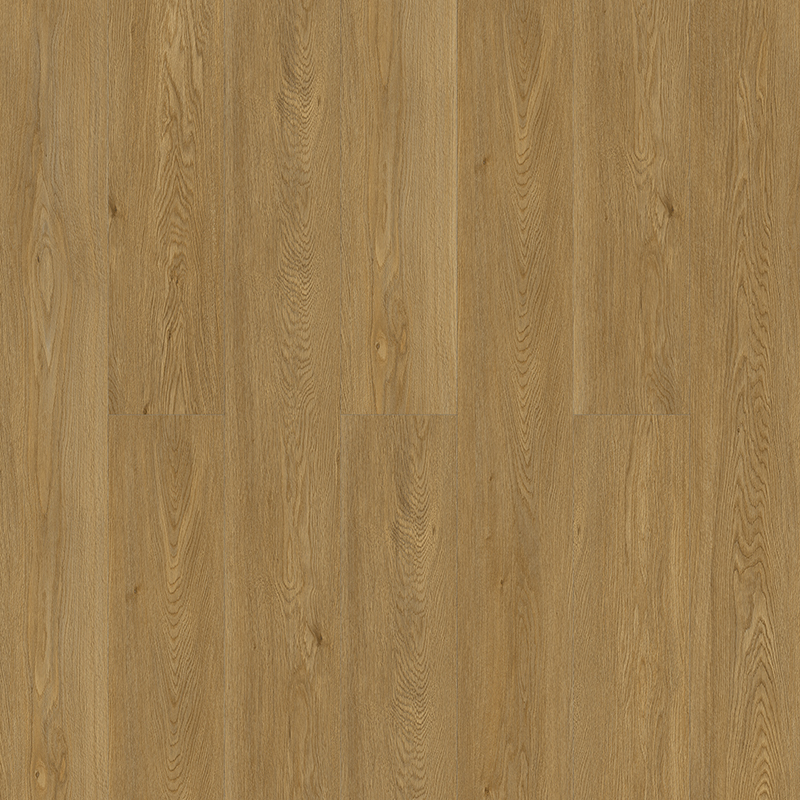
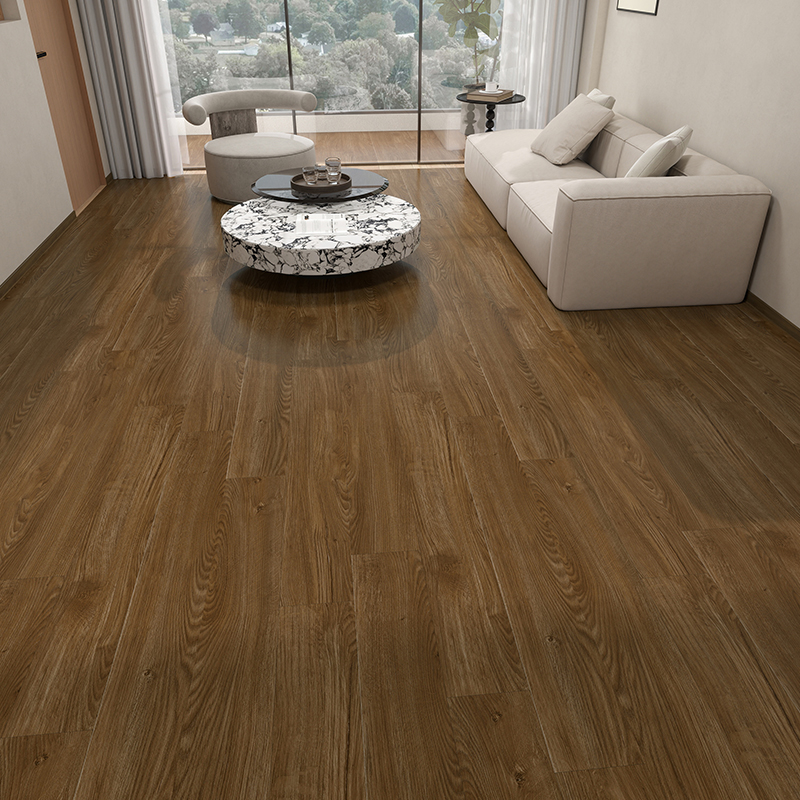 Natural Oak SPC Click Vinyl Plank FlooringTextured oak-look SPC plank with waterproof click fitting and soft-gloss finish, suited to moisture-prone residential spaces and routine home cleaning.View Product →
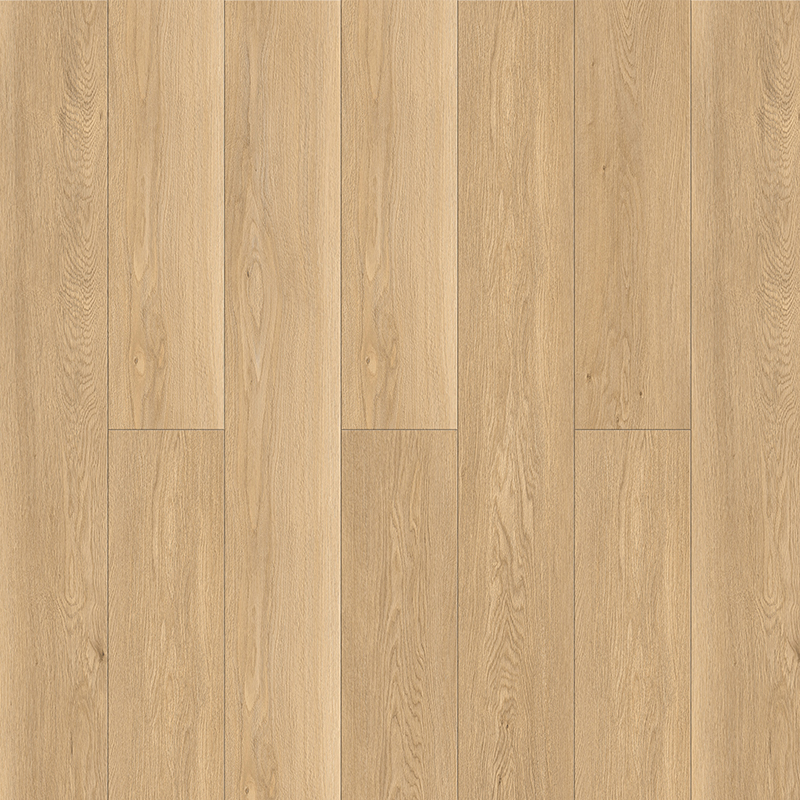
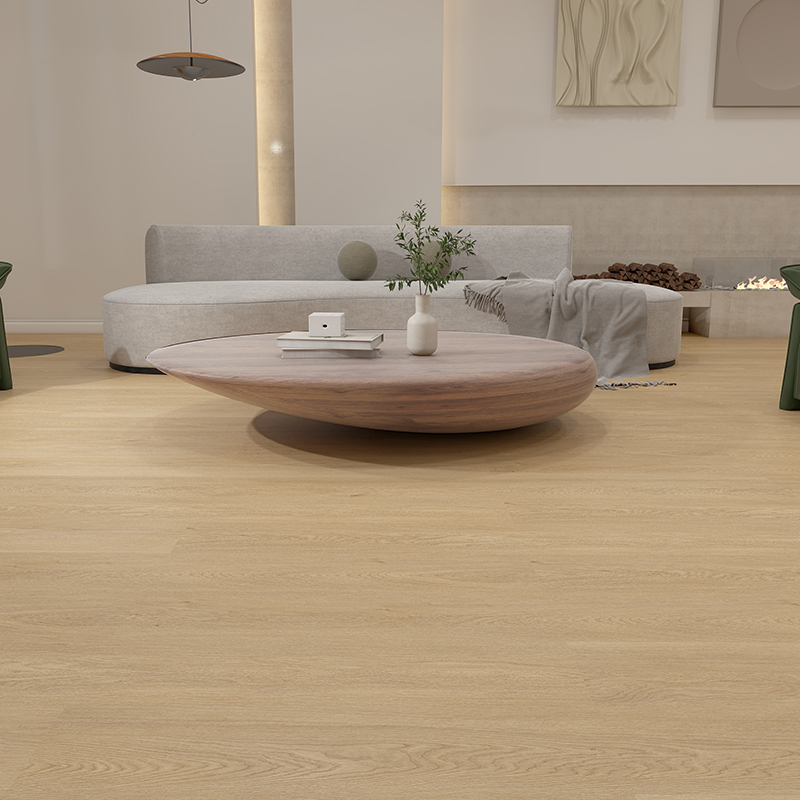 Light Natural Oak EIR Click Vinyl Plank FlooringEmbossed-in-register light oak plank with ultra-quiet click installation, matte finish, and waterproof performance for bedrooms, living rooms, and offices.View Product →
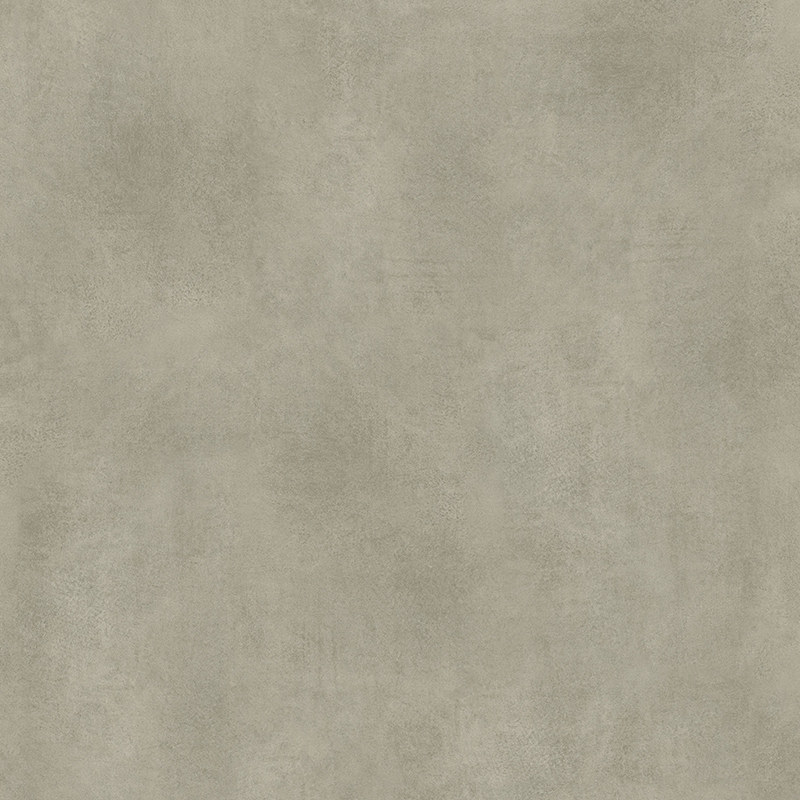
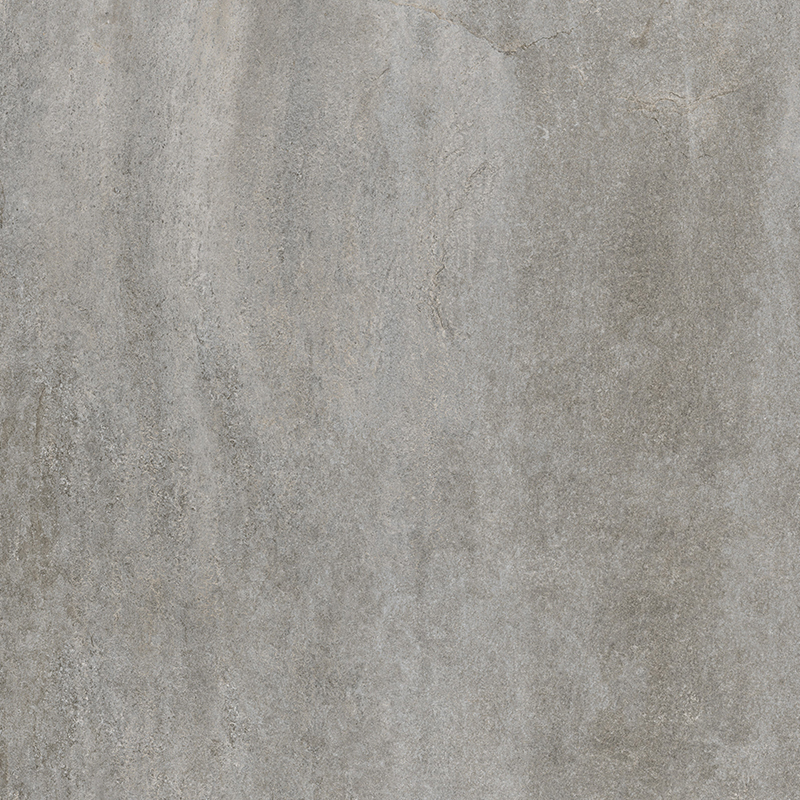 Grey Quartzite EPC Click Vinyl Plank FlooringStone-look grey vinyl plank with embossed quartzite texture, waterproof SPC/ABA core, and click fitting for kitchens, bathrooms, and modern minimalist interiors.View Product →
Texture traps cleaner. An embossed plank holds residue in the grain and dries unevenly, so it needs a rinse pass more than a smooth one ever does.
High-Traffic and Commercial LVT
In commercial settings the routine shifts from mopping to machine cleaning: dust mop daily, auto-scrub with soft pads and a pH-neutral solution, and burnish only if the maker allows it.
- Dust mop or backpack vacuum at opening, before any liquid touches the floor.
- Run an auto-scrubber with soft or medium pads and low water flow, then pick up the solution rather than letting it air dry.
- Keep entry matting at 3 to 4.5 m so grit is off shoes before the wear layer starts.
- Check pads weekly. A glazed pad polishes dirt into the surface instead of lifting it.
- Log dilution and dwell time, because cleaner left to dry creates the exact film the next clean is meant to remove.
Most commercial dulling is a schedule problem, not a product problem. Shorten the interval between dry removal and damp cleaning before you change chemicals.
Frequently Asked Questions
Can I use a steam mop on LVT floors?
No. Steam delivers heat and moisture at the same time, and on a click floor that combination softens adhesive, opens seams and can leave the edges slightly raised. A damp flat mop does the same cleaning job with far less risk.
Is vinegar safe for cleaning LVT?
Occasionally and heavily diluted, yes. As a weekly habit, no. Repeated acid exposure slowly dulls the urethane wear layer and can leave streak marks on low-gloss finishes that are difficult to remove.
How often should LVT be deep cleaned?
Every one to three months in a home, and weekly to fortnightly in a commercial space. The practical signal is feel: if the surface is tacky or shows footprints that a dry cloth will not remove, it is time for a wash and rinse.
Why does my LVT look dull right after mopping?
That is residue, not wear. Cleaner left on the surface dries into a thin film that scatters light. A rinse pass with clean water and a dry microfiber cloth usually restores the original sheen in one go.
The floor is rarely dirty. It is coated, and a rinse pass is what takes the coat off.
Keep the routine boring and the floor keeps its finish: dry removal every day, a damp pH-neutral wash once a week, a proper rinse every few months, and nothing abrasive at any point.


LET'S WORK TOGETHER
WELCOME TO JOIN!
-
+86-13616168066
-
[email protected]

-
+86-510-86525168
-
No.8 North Huanzhen Road, Mazhen,Xuxiake Town,Jiangyin City,Jiangsu Province,China
JOIN OUR MAILING LIST
Copyright © 2025 Jiangsu Herewin Environmental Technology Co., Ltd. All Rights Reserved. Vinyl Plank Flooring Manufacturers SPC Rigid Core Flooring Factory
