
 EN
EN
 English
 Español
 عربى
عربى 中文简体
中文简体

-
+86-13616168066

TEL:
-
+86-510-86525168

Fax:
-
No.8 North Huanzhen Road, Mazhen,Xuxiake Town,Jiangyin City,Jiangsu Province,China

Address:
Feel Free To Contact Us :
-
+86-13616168066
-
-

Sep. 23, 2026
Industry News
What Is LVT? Luxury Vinyl Tile Layers, Cores and Specs Fully Explained
Content
A contractor's quote lists "6 mm SPC click LVT", the showroom sample board shows oak grain on one side and grey slate on the other, and the buyer asks the obvious question: what actually is LVT? The short answer is that LVT stands for luxury vinyl tile, a layered vinyl floor made from a printed design film sealed under a clear wear layer. It contains no wood and no stone.
That definition is accurate but incomplete. Two floors can both carry the LVT label and behave completely differently under a fridge, in a bathroom, or after three winters of underfloor heating. The core, the wear layer and the flatness of the subfloor decide real-world performance far more than the word printed on the carton, so the rest of this guide works through the layers, the names and the numbers that change the outcome.
What LVT Is Made Of
Every LVT plank, tile and click board is a stack. Each layer answers one question: how well will it resist abrasion, how convincing will it look, how stable will it stay, and how does it feel underfoot.
| Layer | What it is | What it controls |
|---|---|---|
| Wear layer | A clear urethane or PVC top coat, measured in mils or millimetres | Scratch and abrasion resistance, and the traffic class a product can honestly claim |
| Design film | A high-resolution printed image of wood, stone or textile | Colour, grain direction and how convincing the finished floor looks |
| Core | A rigid or flexible PVC composite, sometimes foamed | Dimensional stability, dent resistance and the strength of the click joint |
| Backing | A balance layer or an attached acoustic pad | Underfoot comfort, sound absorption and tolerance to small subfloor variation |
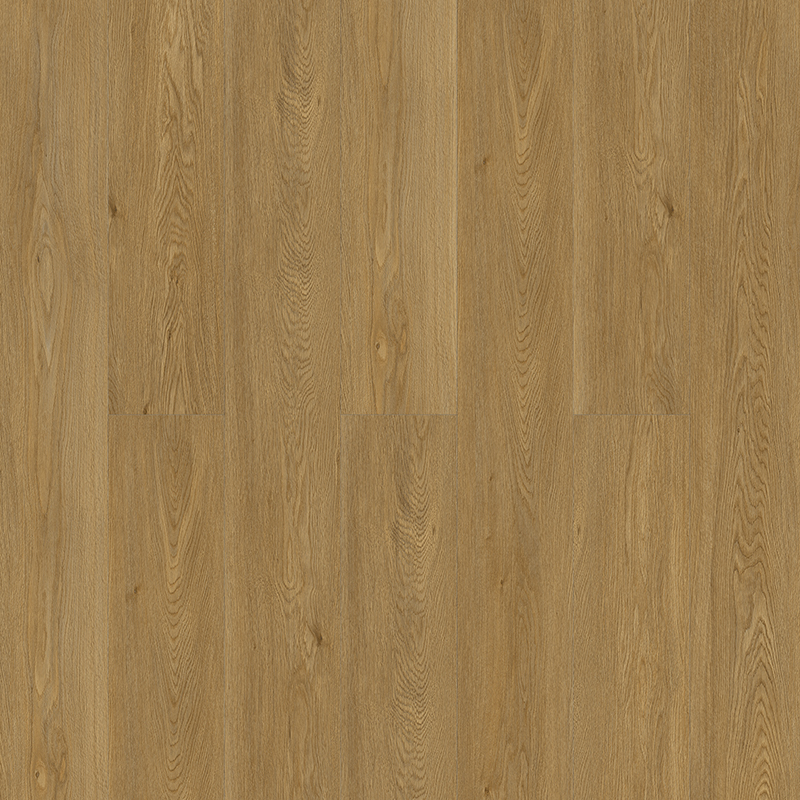
The design film is the layer people see, but the core does the structural work. In SPC flooring, short for stone plastic composite, the core is PVC blended with limestone filler, which makes it stiff enough to hold a sharp click edge and stable enough to float over a flat concrete slab without adhesive. A denser core also resists dents from chair legs and dropped pans better than a thin, flexible plank, which is why SPC became the default choice for kitchens, hallways and rental units.
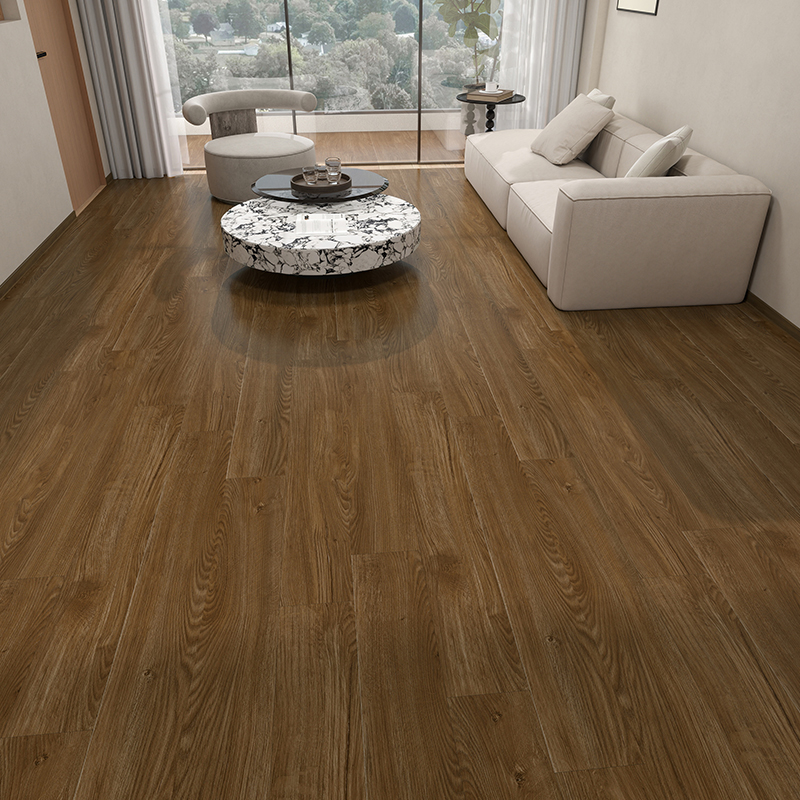 Natural Oak Wood Pattern SPC Click Vinyl Plank FlooringThe Natural Oak Wood Pattern SPC Click Vinyl Plank Flooring features a soft 5–10 gloss finish that recreates the authentic appearance of real wood. Its detailed oak gr...View Product →
This build-up also explains why LVT is not simply sheet vinyl cut into strips. Sheet vinyl is one continuous roll, laid loose or glued down. LVT arrives as individual planks or tiles with click edges or a glue-down backing, and that difference matters at repair time: a damaged plank can be lifted and replaced without disturbing the rest of the floor.
LVT, LVP, SPC, WPC and ABA: Sorting Out the Names
Most of the confusion around LVT comes from five labels that describe different parts of the same family. LVT and LVP are the same construction in different shapes: LVT is cut into squares and rectangles that imitate stone, slate and ceramic, while LVP, or luxury vinyl plank, is cut into long boards that imitate timber. Sales staff use the two words interchangeably, and so do most specification sheets.
The remaining labels describe the core inside the plank.
| Core type | What it is | How it behaves in a room |
|---|---|---|
| Flexible LVT | PVC core with plasticisers | Thin and conforming, usually glue-down; the most forgiving over a slightly uneven slab |
| SPC | Limestone-filled rigid PVC | Stiff, holds a sharp click joint, the standard choice for floating floors in busy rooms |
| WPC | Foamed PVC core | Thicker and warmer underfoot, more forgiving of dips, softer surface |
| ABA | Multiple co-extruded polymer layers | Skins bonded around a middle layer for stability, and promoted as a formaldehyde-free core |
ABA cores sit at the premium end of that list. Several polymer layers are co-extruded so the outer skins and the middle layer cure as one piece, which improves stability and removes formaldehyde-based binders from the core. For a buyer who cares about indoor air quality in bedrooms and children's rooms, that is a more meaningful differentiator than another shade of oak print, and it is why no-formaldehyde flooring keeps appearing in green-home specifications.
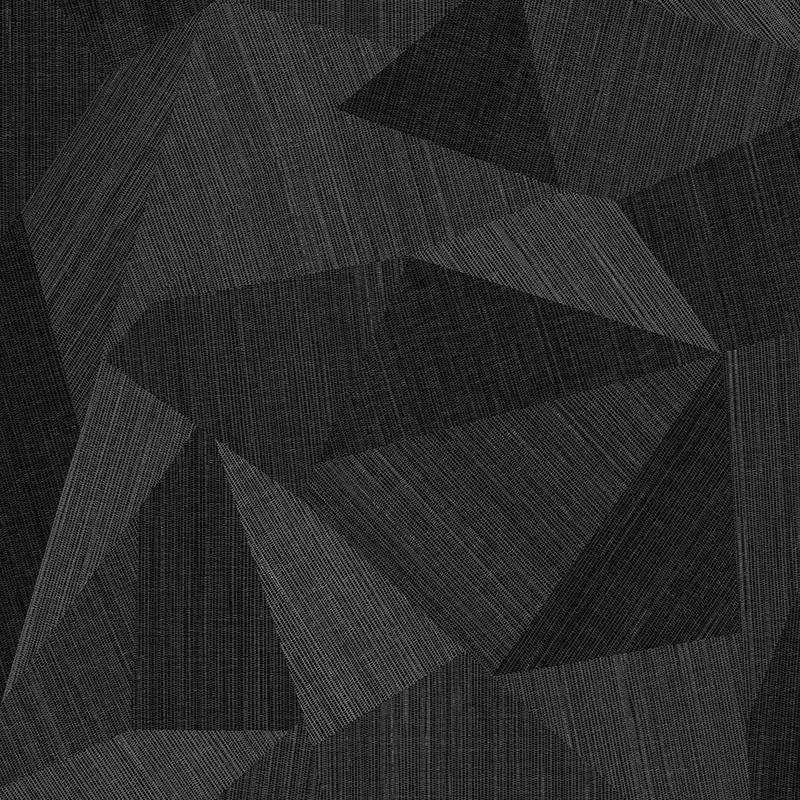 Dark Grey Geometric Patchwork Carpet Texture ABA Click Vinyl Plank FlooringThe Dark Grey Geometric Patchwork Carpet Texture ABA Click Vinyl Plank Flooring features a modern geometric design that combines depth and visual interest. The dark gr...View Product →
One more term deserves clearing up, because it causes genuine specification mistakes. Vinyl composition tile, or VCT, is a different commercial product: a homogeneous tile that is glued down, waxed and polished in schools and supermarkets. VCT is not LVT, and it is not waterproof through the body of the tile.
The Numbers That Decide How an LVT Floor Performs
Wear layer thickness is the single most useful figure on any LVT label, and it is almost always printed smaller than the colour name. It is quoted in mils or millimetres, where one mil equals 0.025 mm. The wear layer is a clear coat above the print, so it is the only thing standing between a shoe and the picture.
As a working rule, an 8 mil wear layer suits bedrooms and light traffic. Twelve mil is the sensible minimum for a whole home with pets and children. Twenty mil belongs in entryways, rentals and light commercial spaces where a floor has to survive constant footfall and regular machine cleaning.
Overall thickness is a separate number and is often confused with wear layer. A 6 mm rigid plank is stiffer and bridges small dips better than a 4 mm one, but it also raises transitions at doorways and costs more. Thickness buys stability, not scratch resistance.
"Waterproof" is a claim about the core, not about the installation. A rigid SPC or WPC core will not swell when it gets wet, yet water still reaches the subfloor through perimeter gaps and unsealed seams. Spills wiped up in reasonable time are a non-event; a slow leak behind a dishwasher is still a leak.
Subfloor flatness is the requirement that most often decides whether a click floor succeeds. Most click systems specify the surface within roughly 3 mm of a 2 m straightedge, and those tolerances live in the installation manual rather than the showroom display. Checking how to read a click vinyl plank specification sheet before ordering costs less than replacing a lifted floor afterwards.
- Ask for a moisture test on concrete slabs before the boxes are opened.
- Request third-party certification documents, such as SGS or BV reports, for the batch you are buying.
- Confirm the acclimation time the manufacturer requires for your room temperature.
- Leave the specified expansion gap at every wall, including under door frames.
Where LVT Works Well and Where It Struggles
LVT performs best where moisture tolerance and easy cleaning matter more than the feel of real timber.
- Kitchens, laundry rooms and bathrooms, where splashes are routine.
- Basements and ground-floor apartments, provided the slab has been tested for moisture.
- Hallways and open-plan living areas with a 12 mil wear layer or better.
- Rental properties, where individual planks can be replaced between tenants.
It performs less well in a few specific situations: heavy rolling loads such as hospital beds or loaded trolleys, unheated outdoor areas with wide temperature swings, and subfloors with dips beyond the click tolerance of the system.
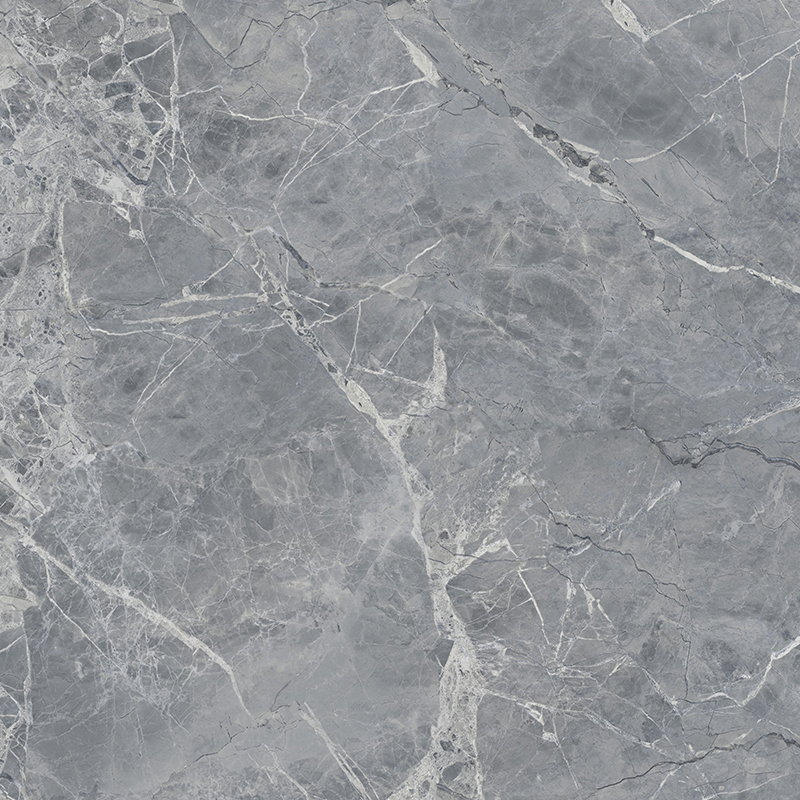
For renovations, a tile-look core is often the practical answer rather than a wood-look plank. EPC, an engineered polymer composite, is lighter than SPC and is frequently chosen for apartment refits where removing the existing floor would add cost and weight. A grey quartzite or marble-look plank can replace worn ceramic in an entry or bathroom without full demolition.
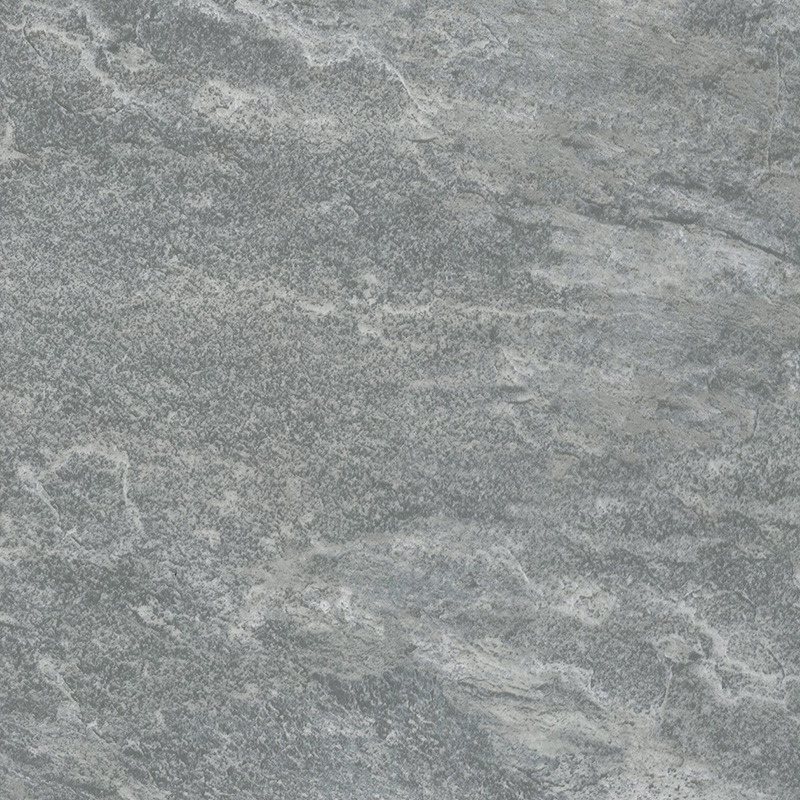
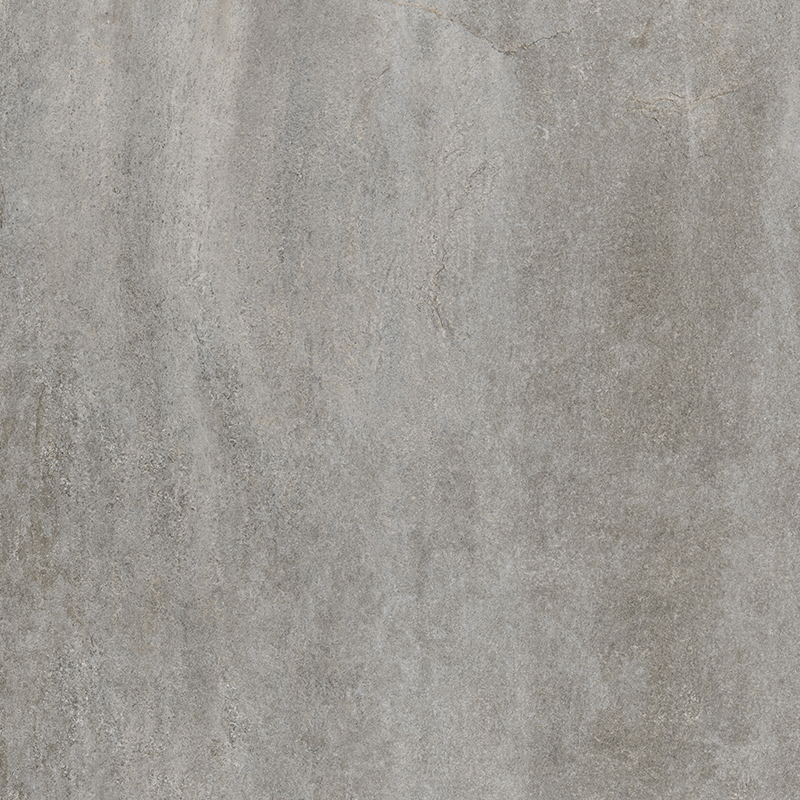 Grey Quartzite Tile Texture EPC Click Vinyl Plank FlooringThe Grey Quartzite Texture EPC Click Vinyl Plank Flooring is inspired by natural stone, showcasing a sophisticated and elegant grey tone. The fine quartzite texture co...View Product →
What Makes an LVT Look Real
Print quality separates a floor that fools guests from one that looks like a photograph of wood. Three details decide it.
- Distinct designs per carton. Three or four designs on a short repeat look synthetic in a room wider than 4 m; eight to twelve designs read as a natural floor.
- Embossed-in-register texture. EIR presses the grain into the wear layer in line with the printed pattern, so fingertips and eyes agree.
- Gloss level. High gloss amplifies dust and every subfloor dip, while matte and natural finishes hide both.
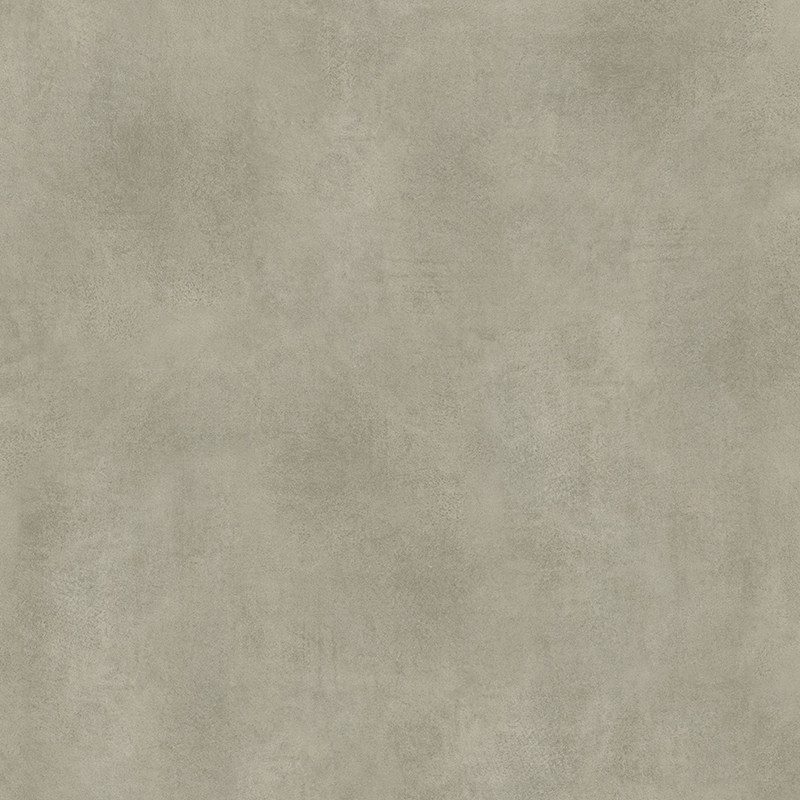
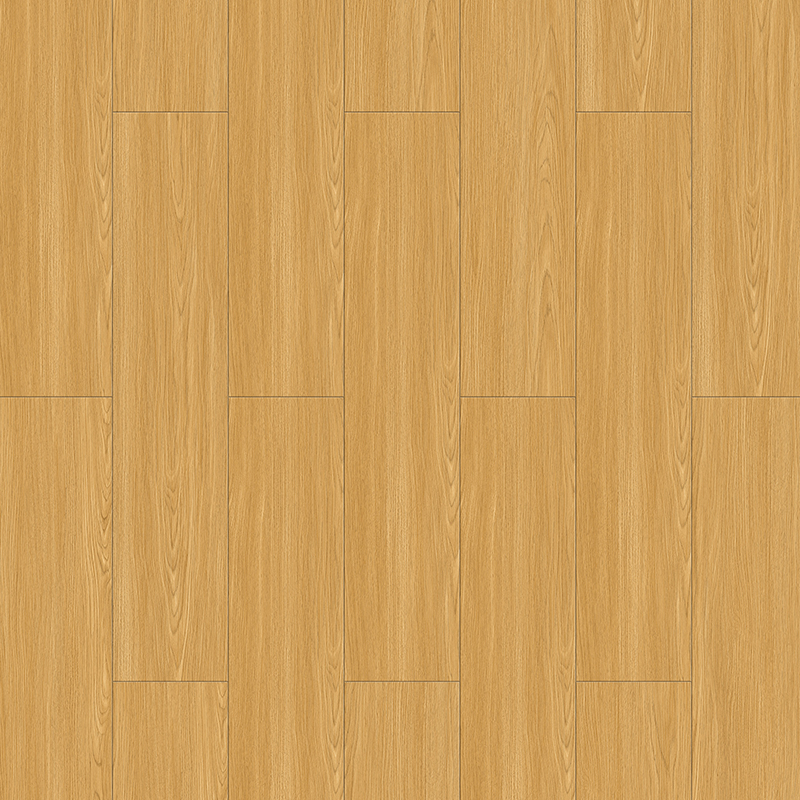
Surface choice is aesthetic, and it should be the last decision rather than the first. The patterned surface collections cover wood, tile, carpet texture, EIR, high gloss, matt and digital printing finishes, which is helpful when matching an existing interior, and far less helpful when the wear layer figure has not been checked yet.
A Practical Buying Checklist
- Ask for the core type and the wear layer in millimetres, not the marketing name.
- Confirm whether the plank is rigid or flexible, because that sets your subfloor tolerance.
- Check how many distinct plank designs come in one carton and how long the repeat is.
- Match the wear layer to the room: 8 mil for bedrooms, 12 mil for family homes, 20 mil for entries and commercial use.
- Request certification and indoor air quality documents for the specific production batch.
- Order 5 to 10 percent extra from a single batch for cutting waste, future repairs and shade differences.
- Measure flatness with a straightedge and fill dips before installation, not after.
LVT is a printed vinyl composite floor, and the label alone tells you very little. A rigid SPC plank, a foamed WPC board and a thin glue-down tile can all share the same name while behaving like different products in a hallway, a bathroom or a rental unit.
Two questions do most of the work: what is the core, and what is the wear layer in millimetres? Answer those honestly, confirm the subfloor sits within the click system's tolerance, and the floor that arrives at your door will match the sample you approved.



LET'S WORK TOGETHER
WELCOME TO JOIN!
-
+86-13616168066
-
[email protected]

-
+86-510-86525168
-
No.8 North Huanzhen Road, Mazhen,Xuxiake Town,Jiangyin City,Jiangsu Province,China
JOIN OUR MAILING LIST
Copyright © 2025 Jiangsu Herewin Environmental Technology Co., Ltd. All Rights Reserved. Vinyl Plank Flooring Manufacturers SPC Rigid Core Flooring Factory
